Deer are highly valued animals; their antlers are considered a precious traditional Chinese medicine, their meat is edible, and their hides are used for leather. Consequently, they suffer from widespread illegal hunting. To protect wild deer and the reproduction of endangered species, many species can now be protected through artificial breeding, such as the red deer, sika deer, and sambar deer. In the following sections, we will list the top ten deer species in the world that can be raised in captivity, and explore which species can be preserved through artificial breeding.
1. Red deer
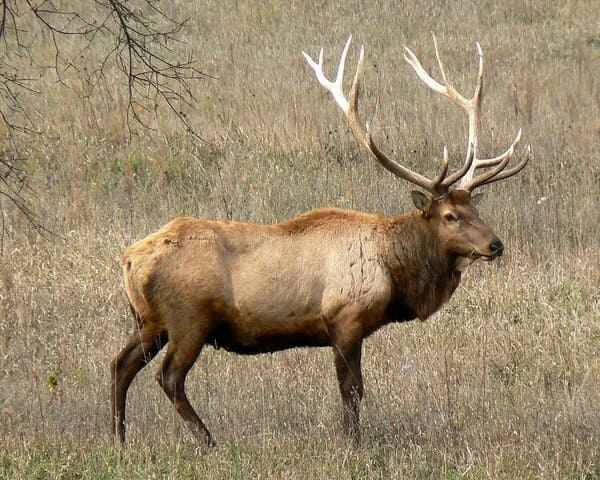
Red deer are a large deer species, second only to moose, named for their horse-like shape. Their bodies are dark brown with white spots on their backs and sides. Males have antlers, typically with six tines, but up to eight. In summer, their fur is shorter and lacks down, generally reddish-brown, darker on the back and lighter on the belly, hence the name "red deer." Red deer are a Class II protected animal in China (limited to wild populations) and are also a fairly common species raised in captivity. However, raising them requires a special livestock and poultry breeding production license issued by the relevant government department or industry association.
2. Sika deer
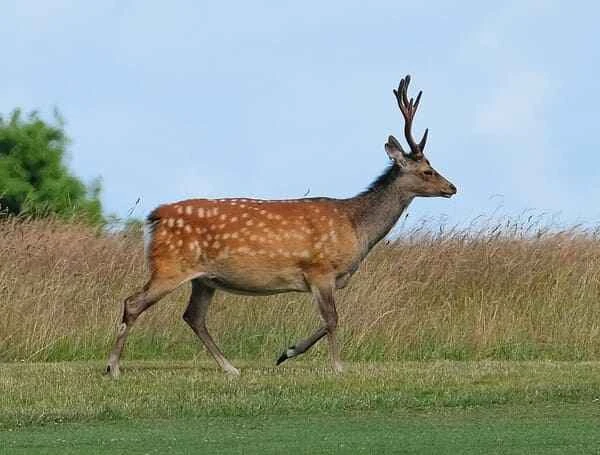
The sika deer is a medium-sized deer, measuring 125 to 145 cm in body length, with a tail length of 12 to 13 cm, and weighing 70 to 100 kg. In summer, its coat is chestnut red with numerous white spots resembling plum blossoms; in winter, its coat is smoky brown, the white spots are less prominent, and a mane grows on its neck. The sika deer is a Class I protected animal in China (limited to wild populations), with extremely small wild numbers and a dispersed distribution. However, in northeastern regions such as Liaoning and Jilin, artificial breeding of sika deer has begun, and the number of farmed sika deer has reached hundreds of thousands.
3. Water deer
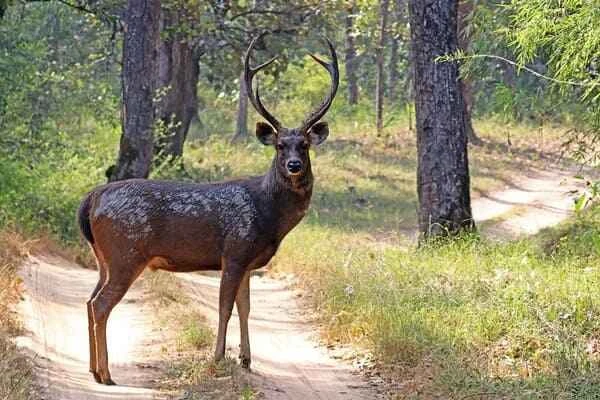
The sambar deer is the largest deer species in tropical and subtropical regions, with a body length between 140-260 cm, a tail length between 20-30 cm, a shoulder height of approximately 120-140 cm, and a weight between 100-200 kg, with the largest individuals reaching over 300 kg. Males have thick, long, three-pronged antlers, and their fur is primarily light brown or dark brown, while females have a slightly reddish tinge. The sambar deer is listed as a Class II protected animal in China (limited to wild populations), and can also be bred in captivity, but a "Wildlife Domestication and Breeding Permit" must be obtained from the State Forestry Administration.
4. Reindeer
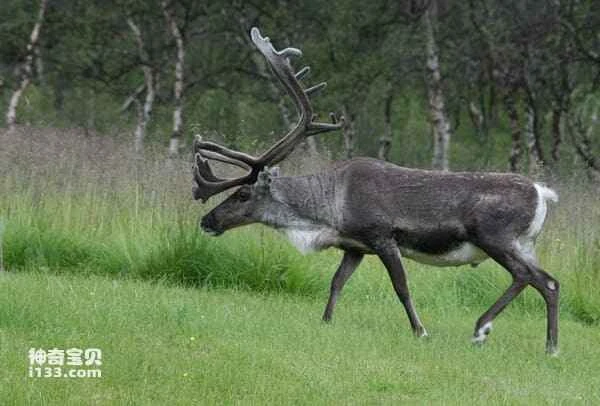
Reindeer, also known as antlered deer, are the only species in the genus *Caragana* of the family Cervidae. Both males and females have antlers, and the complex branching of the antlers is a key characteristic of their appearance. The coat color varies significantly between subspecies and sexes, ranging from the deep brown of North American woodland caribou in summer to the white of those found in Greenland. In China, reindeer are primarily raised in semi-domesticated groups, with the Evenki people being the only ethnic group in China that raises them. Among Evenki hunters, reindeer are used as a primary means of production and transportation, thus earning them the title "ships of the forest."
5. Reeves' muntjac
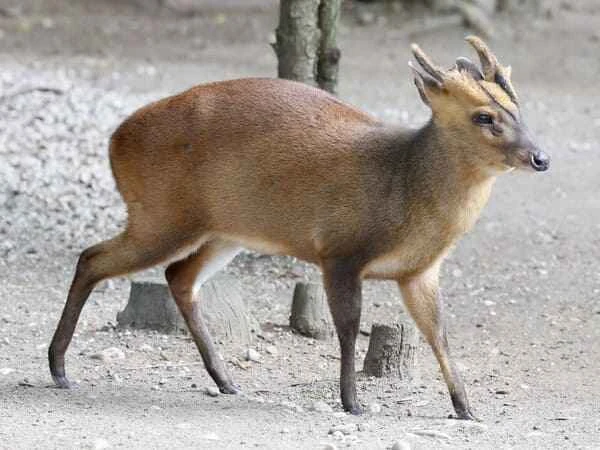
The Reeves' muntjac, also known as the yellow muntjac, is the smallest deer species in the family Cervidae. It stands approximately 43-52 cm tall, has a body length of 70-87 cm, and weighs 9-18 kg. It typically inhabits low-lying hills and valleys, or the thickets and undergrowth at the edges of forests, feeding mainly on wild fruits, grasses, and tender leaves. The Reeves' muntjac's food sources are relatively easy to obtain, and its gestation period is short, making it a suitable species for artificial breeding. However, breeders must submit a written application to the local forestry administrative department at the county level or above and obtain relevant permits such as the "Wildlife Domestication and Breeding License."
6. Roe deer
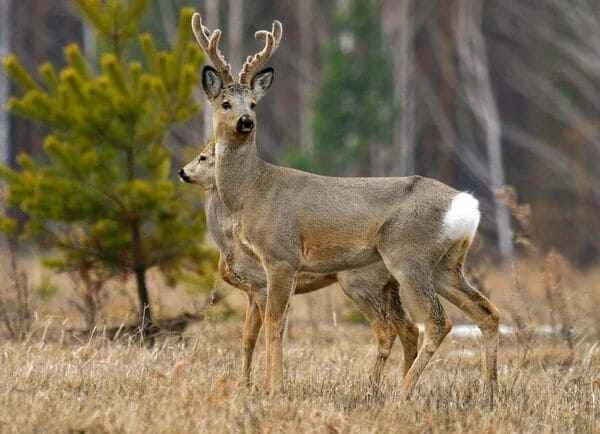
The roe deer is an animal belonging to the genus *Roe deer* in the family Cervidae. It is a small to medium-sized deer, measuring 0.95-1.35 meters in length, 0.67-0.78 meters in shoulder height, with a tail only 2-3 centimeters long. It weighs 15-30 kilograms and has short antlers, only about 23 centimeters long. Although roe deer were once common, their numbers are declining in many areas due to overhunting. In China, hunting, trading, and consuming wild roe deer are strictly prohibited; any act of capturing a roe deer is illegal! Roe deer can be artificially bred; however, due to varying regional policies, one should consult the local forestry and animal husbandry departments regarding the conditions for artificial breeding and obtain the necessary permits and licenses.
7. Roe deer
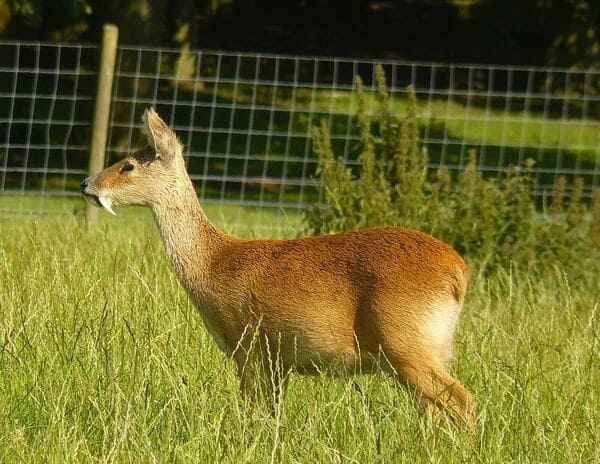
The water deer, also known as the roe deer, is considered one of the most primitive species in the deer family. Native to eastern China and the Korean Peninsula, it was introduced to Britain and France in the 1870s. As a small deer, the water deer is slightly larger than the musk deer, with a body length between 91-103 cm, a tail length of about 6-7 cm, and a weight of approximately 14-17 kg. It is currently listed as a Class II protected animal in China. Water deer can also be artificially bred, but a breeding permit must be obtained from the wildlife protection department of the forestry bureau at the county level or above. Currently, more than 30 units across China are engaged in the artificial breeding of water deer, distributed in Zhejiang, Shanghai, Jiangsu, and Sichuan provinces.
8. Père David's deer
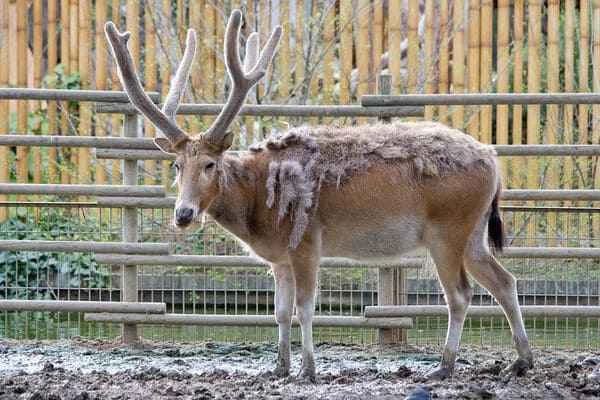
The Père David's deer is a unique species within the deer family, being the only deer in the genus Père David's. It is known for its long, narrow face resembling a horse, antlers similar to a deer but distinct from other deer, broad hooves like a cow, and a long, thin tail like a donkey, hence its nickname "four unlikes." Once extinct in native China, the Père David's deer was later protected through introduction from the UK and breeding programs. As of 2021, China has designated the Père David's deer as a Class I protected species, with a population exceeding ten thousand. It has been reintroduced to more than 20 provinces across China, with a total of 84 breeding and release sites.
9. White-lipped deer
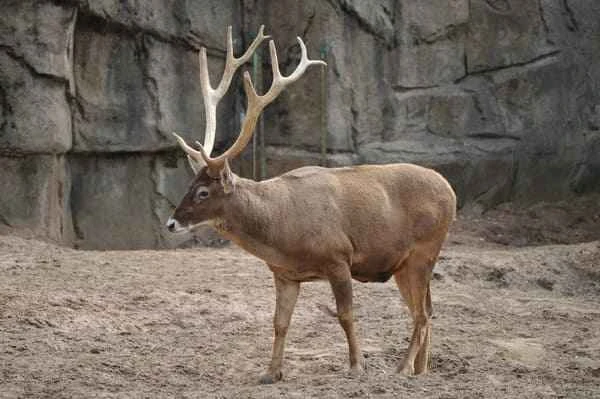
The white-lipped deer is a large deer species, similar in size to the red deer but slightly smaller, measuring 100-210 cm in length and 120-130 cm in shoulder height. Its tail is the shortest among large deer, only 10-15 cm long, and its weight ranges from 130-200 kg. Due to its rarity and preciousness, the white-lipped deer is listed as a Class I protected animal in China. To protect wild white-lipped deer, China has established numerous farms in Qinghai, Gansu, Sichuan, and other regions specifically for the artificial breeding of this species. Notably, the deer farm in Zhiduo County, Yushu Tibetan Autonomous Prefecture, Qinghai Province, houses a large number of white-lipped deer, numbering in the hundreds, making it one of the largest farms in the region.
10. Eld's deer
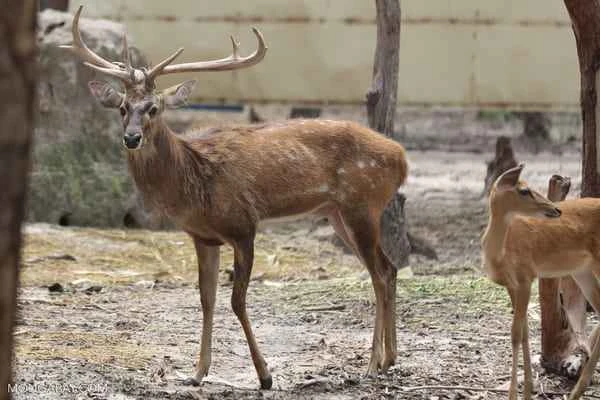
The Eld's deer is a medium-sized deer, very similar to the sika deer, but relatively smaller in size, with fewer spots, and a more slender body, neck, and limbs, displaying excellent lively characteristics. It typically measures about 160 cm in length, with a shoulder height between 104-110 cm, and a weight between 70 and 130 kg. The Eld's deer is a Class I protected animal in China. In 1976, China established two provincial nature reserves, Datian and Bangxi, with two dedicated conservation stations responsible for Eld's deer protection. Thailand, with its later conservation efforts, has attempted artificial breeding; while India is currently raising Eld's deer in captivity, hoping to promote the recovery of the population.
Below is a list of the top ten deer species that can be artificially bred. This list is primarily based on deer species that can be raised in captivity, combined with relevant online rankings, and is for entertainment and reference only. All data is current as of January 17, 2024. Please note that raising deer requires the relevant breeding and production license. Important Notice: Hunting, killing, consuming, and trading wild animals and their products are all illegal and criminal acts! Wild animals belong to nature. For the sake of the ecological environment and your health, please refuse to buy, raise, or consume wild animals!