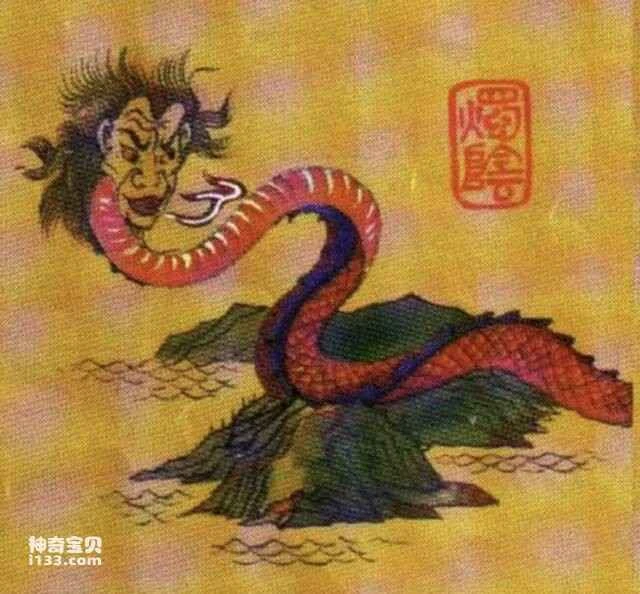
Animals like weasels, stoats, and civets are known for their strong odors, which may be unbearable for many. However, in nature, these animals might not top the list when comparing the most pungent smells. Let's explore what are considered the world's smelliest animals. The list includes skunks, anteaters, vultures, millipedes, ring-tailed lemurs, hyenas, snow petrels, male elephants, hoatzins, and sloths, each "famous" in its own unique way in the animal kingdom.
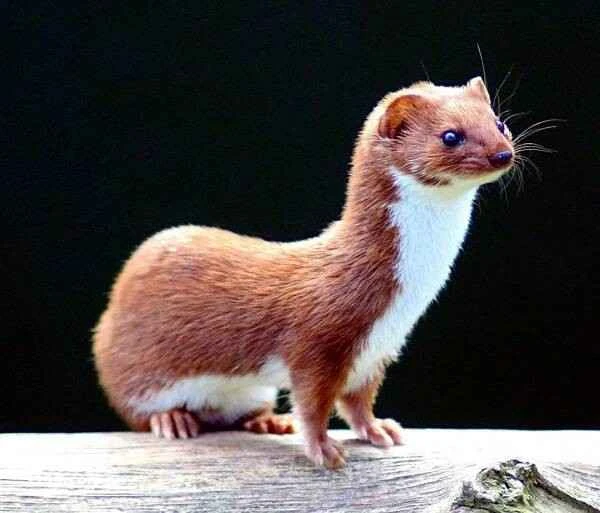
weasel
In reality, most of these animals emit strong scents to defend themselves against predators or to mark their territory. The animal at the top of this list undoubtedly excels in this area, its scent truly living up to its name. This interesting ranking not only reveals one aspect of biodiversity in nature but also provides us with insights into the unique adaptive strategies of these organisms.
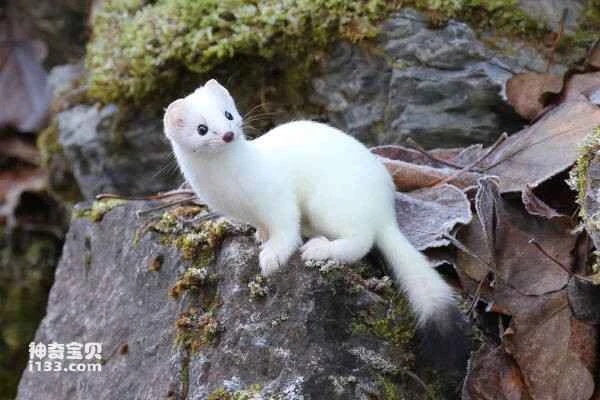
white weasel
Please note that this list is for entertainment and educational purposes only. Different environments and sensory experiences can lead to vastly different perceptions of "smell." For interested readers, exploring the insights offered by these "world's smelliest animals" will certainly be a unique experience.
1. Skunk
When threatened, skunks use a foul-smelling liquid secreted from their anal glands, containing some lower thiols. This liquid can accurately hit its target within a 3-meter range, causing an unbearable odor. These thiols are not only unpleasant to smell but also toxic, affecting the central nervous system and causing symptoms such as headaches, nausea, and temporary blindness, vividly described as "blindingly hot."
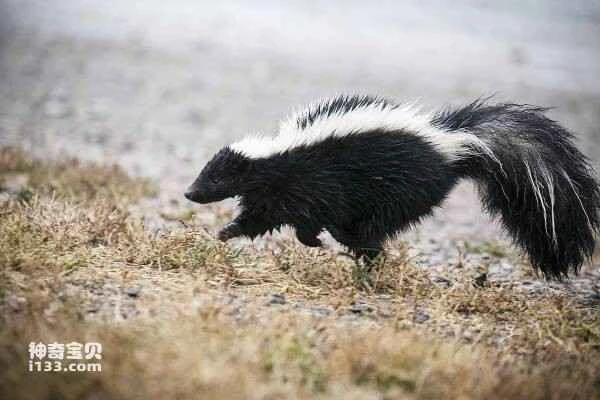
Despite the formidable power of this weapon, skunks are in no hurry to use it, as their anal glands can only store about 11 milliliters of "stink bombs," enough for five or six sprays. Refilling the glands takes about 10 days. This small animal, possessing chemical weapons, is thus known as the "stinkiest animal," not only for the remarkable effectiveness of its foul-smelling attack but also for its unique and striking self-defense mechanism.
2. Anteater
The anteater is about half a meter long and secretes a foul-smelling liquid through anal glands located on either side of its anus. This liquid has an extremely pungent odor similar to solid musk, and its effect can reach up to 50 meters. Some believe its stench is even stronger than that of a skunk! When the anteater senses danger, it hisses as a warning. If the warning is ineffective, it will raise its tail and release an extremely strong "stink bomb."
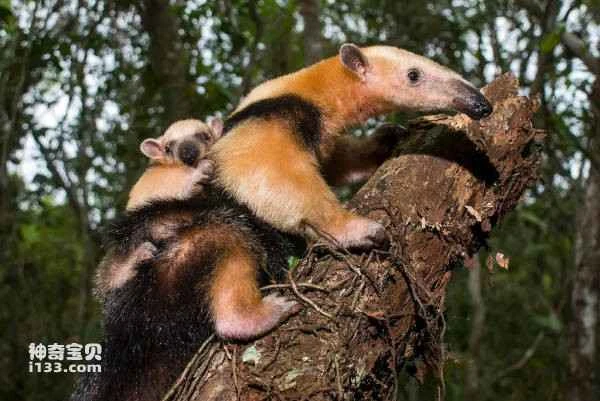
However, the anteater rarely releases its foul-smelling liquid because its own odor is already too pungent. Therefore, predators in South America, such as jaguars and ocelots, generally avoid it, as the anteater is simply too repulsive. Its strong defense mechanisms make other carnivores reluctant to confront it, viewing it as a creature with unique self-protective abilities.
3. Vulture
Vultures are carrion-feeding birds, and after eating, they quickly emit a foul odor, making themselves smelly. Surprisingly, vultures also frequently vomit, even when feeding their eaglets. When threatened or frightened, vultures vomit more violently to reduce their weight and quickly take flight. Their foul-smelling vomit contains stomach acid, enough to burn the eyes and nose of predators.
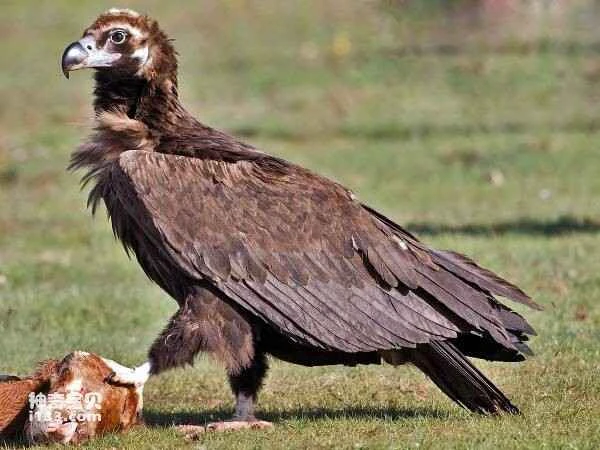
When a vulture's body temperature rises too high, it will excrete its foul-smelling excrement directly on its legs, using the evaporation of the liquid to dissipate heat and utilizing the uric acid in the excrement to kill bacteria. The combined stench of the corpse, the pungent sour smell of vomit, and the foul odor of the excrement makes the vulture the third most smelly animal on the list.
4. Millipedes
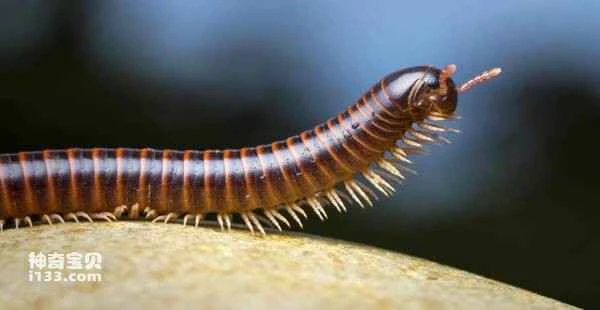
Millipedes are covered in scent glands on both sides of their bodies, capable of spraying an extremely nauseating liquid that even insectivorous birds avoid. This foul-smelling liquid is rich in various toxic substances, including hydrogen cyanide, which can burn the skin and eyes of any intruder, even causing temporary blindness. The venom is also highly corrosive, capable of corroding the exoskeletons of ants or other insects. Millipedes rank fourth because the venom of a single millipede is enough to kill a mouse up to six times over. And the combined venom of 100 millipedes is more than enough to kill a human!
5. Ring-tailed lemur
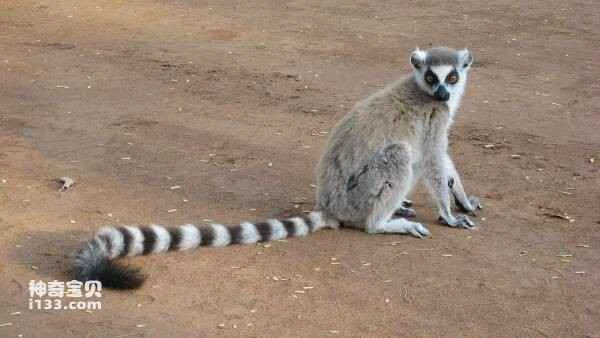
Ring-tailed lemurs live in the dry forests of southern and western Madagascar, Africa. They have three sets of scent glands located in places like the anus and armpits, secreting a pungent fluid used for marking territory and marking paths. One set of scent glands is located on the inside of the wrist joint, and these glands are more developed in males. This odor not only repels predators but also plays a crucial role in courtship. The concentration of the odor significantly affects the attractiveness to females and also determines a lemur's status within the troop. In short, the one with the strongest odor holds a higher position in the troop and becomes the "leader."
6. Hyena
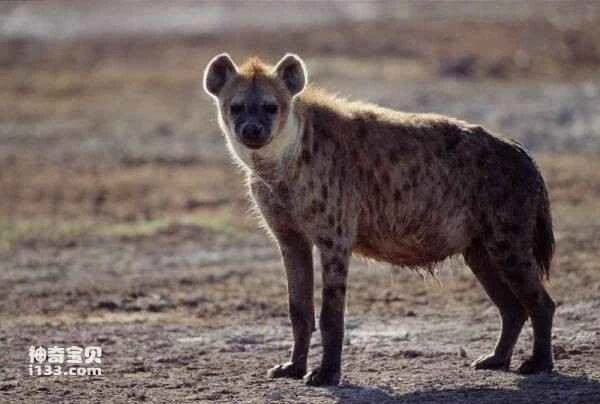
In Africa, the second most powerful animal is often described as sleazy and cruel, but compared to that, the hyena is truly a "stinky dog" that makes people want to vomit. These dogs secrete a foul-smelling, solidified substance near their anus, known as hyena butter. Hyenas like to use this substance as a distinctive mark, smearing it on their territory and when facing lions to assert their dominance. This butter permeates the entire savanna, successfully making the surrounding environment stink. Even after a month, this paste-like substance retains its pungent odor. Hyenas not only smell terrible themselves, but they also tend to live in groups, causing their scent to spread among them. This makes hyenas "notorious" on the savanna, an undeniable presence for surrounding creatures.
7. Blizzard Shepherd
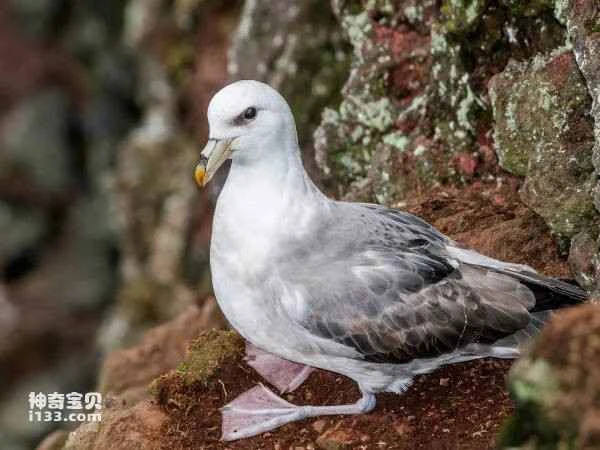
The Snowy Petrel is a unique species in the animal kingdom. When provoked, it retaliates by regurgitating a foul-smelling substance. From egg to chick to adult, the Snowy Petrel carries an unpleasant odor, truly earning the title of "stinky bird." This bird primarily feeds on carrion and garbage, and its regurgitation is a mixture of fermented fish oil, stomach acid, and fish waste, emitting an extremely unpleasant stench. If this foul-smelling substance gets onto the feathers of other birds, it will damage the feathers' waterproofing, potentially leading to death.
Snow petrels defend themselves by vomiting when threatened. Even chicks as young as four days old can vomit objects several meters long. As adults, their "shooting" technique becomes more refined, allowing them to spray three or more times in succession. This defense mechanism makes snow petrels a formidable presence, challenging other creatures that attempt to approach them.
8. Elephant
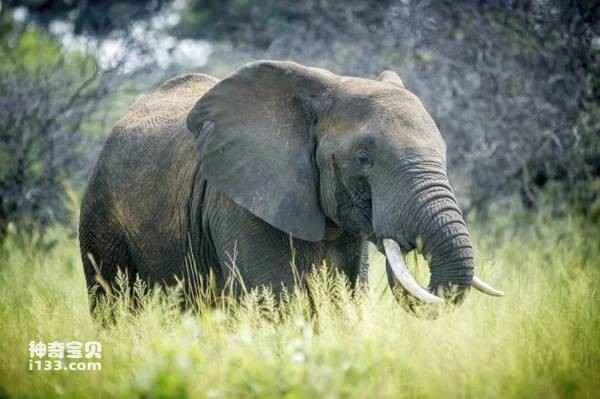
Male elephants urinate down their legs, and their faces secrete an indescribable mucus. When the green liquid from their bodies mixes with the mucus from their facial glands, it produces an extremely nauseating stench. This unbearable odor, however, has become a symbol of a male elephant's status and rank. Male elephants can judge the strength and status of their rivals based on the intensity of this odor; sometimes, a single whiff of this foul smell is enough to instill fear in an opponent, and this is not an exaggeration.
9. Mohawk
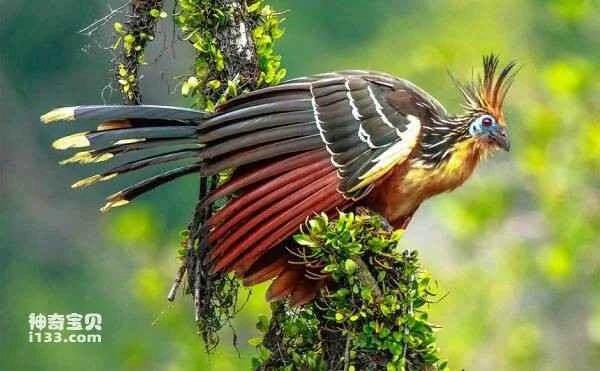
The hoatzin, also known as the "stinkbird," is a bird that produces a foul odor. They are named "hoatzin" because of the unbearable smell they emit. Hoatzins feed entirely on leaves and fruits, never preying on insects or grains. When a hoatzin digests leaves, bacteria and enzymes in its crop ferment the cellulose in the leaves, creating a super-fermentation machine that produces an extremely pungent smell. The more it eats, the more it will stink!
10. Sloth
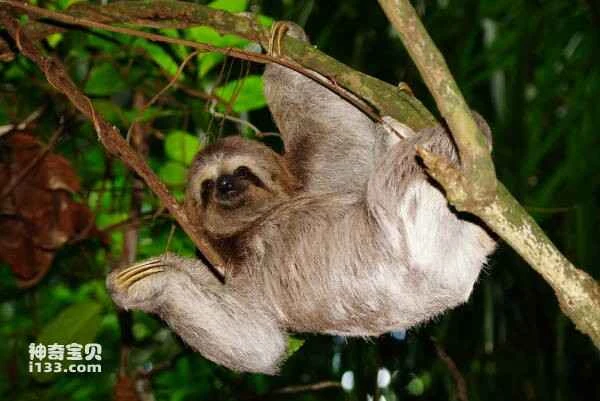
You might not expect that this adorable sloth is actually such a smelly animal. Sloths typically live in tropical rainforests, and they have a charming appearance with natural black circles around their eyes. These animals are extremely lazy, often hanging upside down from tree branches for hours without moving, making them one of the few wild animals that resemble plants.
Sloths almost never bathe, taking only a handful of baths in their decades-long lives. This makes one wonder, if someone didn't bathe for decades, they might also make it onto this "stinkiest list"!
This list of the world's smelliest animals is compiled from descriptions on various websites. It is for your reference and entertainment purposes only. If you have any questions, please feel free to comment or offer criticism at the end.