Many animals have evolved incredible night vision to survive in low-light conditions. Here is a detailed list of the top ten animals with the best night vision, starting with the most powerful.
1. Owl
Visual ability:
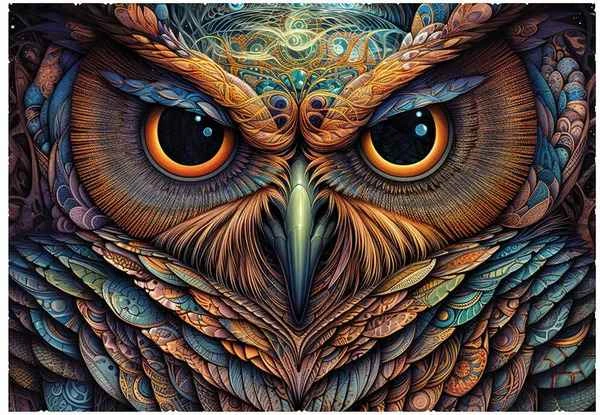
Owls are renowned for their exceptional night vision, enabling them to hunt precisely in near-total darkness. Their large, forward-facing eyes contain numerous rod cells, which are highly sensitive to light. The ratio of rod cells to cone cells is significantly skewed towards rod cells, allowing them to see clearly in low light. Behind the owl's retina lies a special layer called the optic membrane, which reflects light and enhances their vision in the dark. Owls can rotate their heads 270 degrees to compensate for their stationary eyes while scanning for prey.
Interesting facts:
Owls have eyesight that is five times dimmer than the human eye.
2. Cat
Visual ability:
Domestic cats, along with their wild relatives such as lions and tigers, have evolved to be nocturnal hunters. A cat's eyes contain a large number of rod cells, enabling them to detect movement and light in dark environments. They also possess a retinal membrane that reflects light passing through the retina, allowing their eyes to glow in the dark. A cat's vision requires only one-sixth the light of a human, making them excellent nocturnal hunters.
Interesting facts:
Cats are nearsighted, which allows them to see more clearly at close range, helping them focus on nearby prey when hunting at night.

3. Tarsier
Visual ability:
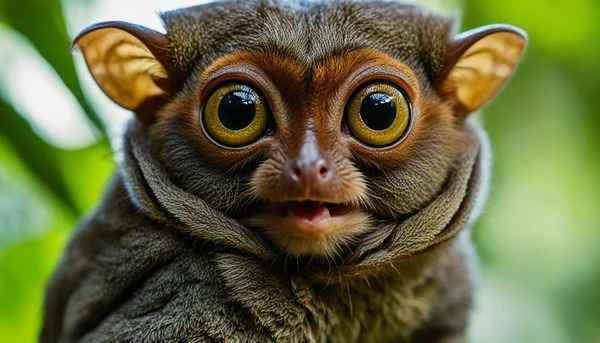
The tarsier has the largest eyes relative to its body size of any mammal, with each eye almost the size of its brain. Its eyes are packed with rod cells to optimize vision in low-light conditions. Tarsiers also lack a retinal membrane, relying instead on their very large eyes and dilated pupils to collect as much light as possible. These nocturnal primates are able to leap with astonishing accuracy from branch to branch at night, preying on insects and small animals.
Interesting facts:
Tarsiers cannot move their eyes within their eye sockets, but they can compensate for this by rotating their heads 180 degrees like owls.
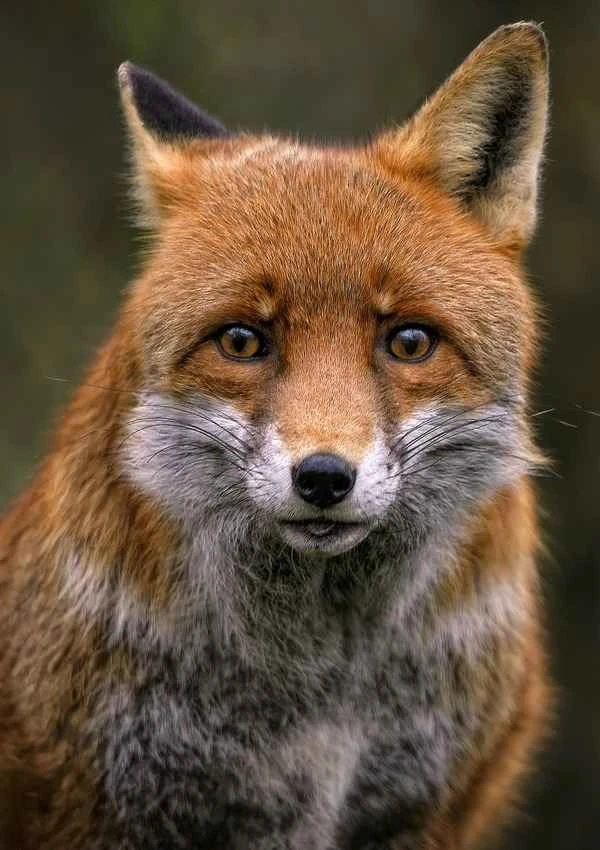
4. Fox
Visual ability:
Foxes, especially species like the red fox, possess exceptional night vision, enabling them to detect even the faintest light. Their large pupils and abundant rod cells allow them to see movement in low light. The optic membrane in their eyes reflects light, further enhancing their night vision. Foxes rely on this superior vision to hunt small animals, birds, and insects at night.
Interesting facts:
Foxes can also use their excellent hearing to detect prey moving at night in the snow or under the leaves.
5. Frog
Visual ability:
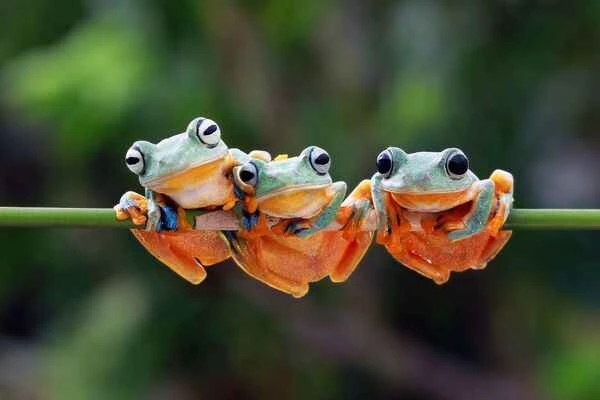
Frogs are nocturnal hunters, relying on their superior eyesight to catch insects and other small prey at night. Their large eyes, located on the sides of their heads, provide them with a near 360-degree field of vision. Frog eyes are highly sensitive to movement and can detect changes in light intensity very effectively. Some species of frogs possess color vision at night, allowing them to distinguish hues in very dim light.
Interesting facts:
Frogs' ability to see colors at night is rare among animals, making them unique in this respect.
6. Gecko
Visual ability:
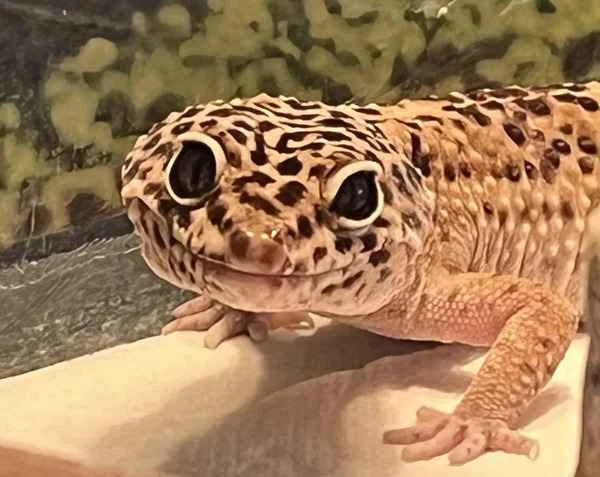
Geckos are nocturnal reptiles with the most advanced night vision among vertebrates. Their eyes are specially adapted to low-light conditions, and their lenses are better able to focus light than those of most animals. Some gecko species can see colors in light conditions 350 times dimmer than humans. This night vision helps them find insects and other prey in the dark.
Interesting facts:
Geckos have vertical slit pupils that dilate in the dark to allow as much light as possible in, further enhancing their night vision.
7. Moth
Visual ability:
Moths possess incredible night vision, enabling them to navigate and find food in the darkest conditions. Their compound eyes consist of thousands of tiny lenses that are extremely sensitive to light. Moths can detect ultraviolet light, invisible to humans but often reflected by flowers, helping them find nectar even at night. Their ability to see in near-total darkness helps them avoid predators such as bats.
Interesting facts:
Moths can also use light polarization to give them an additional layer of vision at night.

8. Bats
Visual ability:
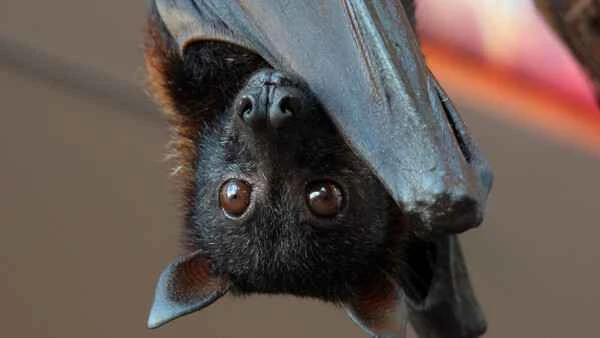
Although bats are often thought to be blind, they actually possess quite good night vision, supplemented by echolocation. Fruit bats, in particular, rely on vision to find food in the dark. Their eyes contain a large number of rod cells, which allows them to see objects in low light. Some bats can even see ultraviolet light. However, most small bats use echolocation as their primary method of nighttime navigation and hunting.
Interesting facts:
Although bats possess echolocation skills, their night vision is better than most people realize, especially in detecting large objects or obstacles.
9. Elephant
Visual ability:
Elephants possess remarkably good night vision, crucial for their activity at dusk and night. Their eyes contain more rod cells than cone cells, giving them superior vision in low-light conditions. While not as specialized as nocturnal hunters, elephants can navigate and find food at dusk and night. They also utilize their sense of smell and hearing to supplement their visual abilities.
Interesting facts:
In some environments, elephants are more active at night to avoid the daytime heat, making their night vision an important adaptation.
10. Hyena
Visual ability:
Hyenas are scavengers and hunters, primarily active at night. Their large pupils and retinas rich in rod cells help them see in dim light. Their retinal membranes further enhance their ability to reflect and utilize faint light. Hyenas' keen night vision helps them locate prey or search for carcasses left by other predators.
Interesting facts:
Hyenas have exceptionally keen night vision, enabling them to spot and track animals from a distance in near-total darkness.

These ten animals have evolved incredible adaptations to see in low-light conditions, whether for hunting, navigation, or evading predators. From the owl's remarkable visual precision to the hyena's scavenging abilities, each species demonstrates just how vital night vision is for survival in the animal kingdom.