In the world of ants, there exist countless species, each with its own unique characteristics and behaviors. One species that has recently attracted the attention of researchers is the white-haired ant ( Excastra albopilosa) . This striking ant has become a popular subject of study due to its unique appearance and interesting social behaviors.

What is the white-haired cobra ( Excastra albopilosa) ?
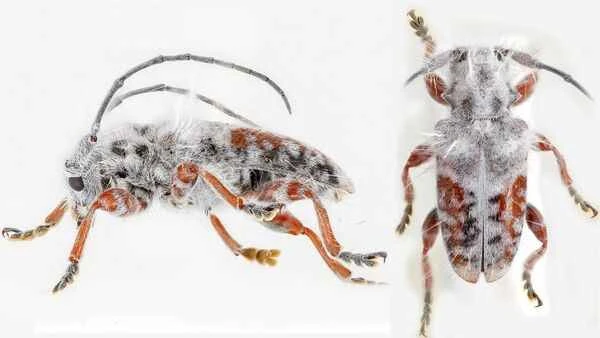
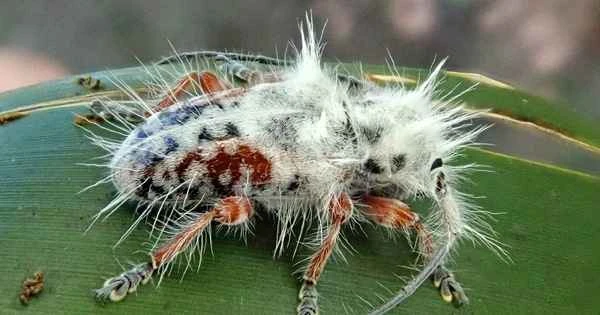
The white-haired ant ( Excastra albopilosa) is a species of ant belonging to the subfamily Formicinae. It was first discovered by researchers in 2020 in several regions of Southeast Asia, particularly in tropical forests. This ant is known for its distinctive appearance. The name " albopilosa " hints at its unique characteristics; in Latin, "albo" means white, and "pilosa" means hairy. The white-haired ant 's body is covered with fine white hairs, giving it a somewhat indistinct appearance.
Physical characteristics
The white-haired ant ( Excastra albopilosa) can be identified by its medium size, typically about 5 to 8 millimeters long. Its body is usually reddish-brown and covered with fine white hairs, distinguishing it from many other ant species. Its long, segmented antennae enable it to detect odors and pheromones in its environment. They also have prominent mandibles, crucial for foraging and protecting their nests.
Habitat and Behavior
This species thrives in damp forest areas, typically nesting under fallen leaves or in decaying wood. The white-haired ant ( Excastra albopilosa) lives in small colonies and, like many ants, exhibits a social structure in which the queen, workers, and sometimes males each play distinct roles. The queen is responsible for laying eggs, while the workers are responsible for foraging, caring for the larvae, and protecting the nest.
The foraging behavior of the white-haired ant ( Excastra albopilosa) is particularly fascinating. These ants are omnivorous, meaning they eat a variety of foods, including nectar, seeds, and small insects. They play an important role in the ecosystem, helping to disperse seeds and control pest populations.
Why study the white-haired tarantula ( Excastra albopilosa) ?
Studying species like the white-haired ant ( Excastra albopilosa) is crucial for several reasons. First, they help us understand biodiversity and the complex interactions within ecosystems. By studying their behavior, researchers can gain insights into how ants adapt to their environment and interact with other species.
Furthermore, ants are often considered bioindicators, meaning they can provide information about the health of an ecosystem. Changes in their populations or behavior may indicate changes in environmental conditions, making them highly valuable in conservation efforts.
The white-haired ant ( Excastra albopilosa) is more than just an interesting species; it represents a vital part of the biodiversity in our planet's ecosystems. By studying this unique species, scientists can gain insights into the complex web of life that sustains the environment. As we continue to explore and document the diversity of nature, each new discovery, such as the white-haired ant ( Excastra albopilosa) , adds a new piece to the puzzle of life on Earth.