Elephants are magnificent creatures, renowned for their immense size, intelligence, and social structure. Among the different species of elephants, the African elephant ( Loxodonta africana ) is considered the largest land animal on Earth. This article will explore the size and characteristics of the largest elephant, along with some interesting facts, revealing how they grew into such enormous animals and understanding their role in the wild.
1. What makes the elephant the largest animal?
Elephants are indeed giants in the animal kingdom. The largest elephants are usually African elephants, especially the African savanna elephant ( Loxodonta africana ). These elephants can reach enormous sizes and weights, and they can live to be 60 to 70 years old.
Size and weight: Adult male African elephants can weigh up to 12,000 pounds (about 5,400 kilograms), with some particularly large males reaching over 13,000 pounds. Their shoulder height can reach 13 feet (4 meters), making them the tallest land mammals on Earth.
Ivory: One of the most iconic features of the largest elephants is their enormous tusks. Ivory is an elongated incisor, and in some individuals, each tusk can weigh over 220 pounds (100 kilograms).
2. The largest elephant on record
The largest elephant on record was a male that was hunted in Angola in 1974. This elephant was an extraordinary example of size and power.
Weight: This elephant weighs approximately 24,000 pounds (about 10,886 kilograms).
Shoulder height: It reaches an astonishing 13.1 feet (4 meters) in shoulder height.
Ivory: Its tusks are over 10 feet (3 meters) long and each tusk weighs over 220 pounds (100 kilograms).
This elephant still holds the world record for size. Individuals of this size were more common in the past, but due to poaching and habitat loss, the number of giant elephants in the wild has decreased dramatically.
3. Why is the African elephant the largest?
African elephants are larger than Asian elephants ( Elephas maximus ) for several reasons:
Species differences: African elephants are naturally large due to their evolutionary history and environmental factors. They have adapted to a variety of ecosystems across Africa, from grasslands to forests, and have evolved into large animals to better protect themselves, migrate, and forage.
Diet and Habitat: African elephants can find abundant food sources in their habitats, ranging from herbs to tree bark. Their large size allows them to forage more efficiently and travel long distances in search of food and water.
Climate and size: Large animals are generally more common in warm climates because they are better able to retain their body temperature. The large size of African elephants helps them survive in the hot African climate.
African Elephant Information Sheet: Diet and Foraging Habits
African elephants are primarily herbivorous plants, and their complex and diverse diet supports their enormous size and energy requirements. Their foraging habits and dietary preferences are not only crucial to their health but also have a significant impact on the ecosystems in which they inhabit. The following is a detailed explanation of the African elephant's diet, foraging methods, and the role of its diet in the environment.
1. Dietary composition
Diet : African elephants are primarily herbivores, but they also eat leaves, bark, roots, and fruits. Their diet is very diverse, and they adjust their diet according to seasonal changes.
Grasses : During the rainy season, grasses are abundant and are an important part of their diet.
Leaves, twigs, and bark : During the dry season, elephant herds rely on shrubs, leaves, and nutrient-rich bark.
Fruits and roots : They eat when fruits and roots are available to supplement their nutrition, especially in nutrient-deficient habitats.
2. Daily food intake
African elephants consume a large amount of food each day, typically between 200 and 600 pounds (90 to 270 kilograms). This large food intake is essential for maintaining their weight, which can reach 13,000 pounds or 5,900 kilograms.
Elephant herds spend about 16-18 hours a day foraging, moving slowly while feeding to ensure they meet their calorie and nutrient needs.
3. Water requirements
Besides solid food, African elephants are extremely dependent on water, needing up to 50 gallons (190 liters) of water a day. Especially during the dry season, when natural water sources are scarce, they will travel long distances in search of water.
In the dry riverbed, elephant herds often use their tusks to dig water sources, creating wells for themselves and also benefiting other animals in the surrounding area.
4. Foraging Mechanism
The role of an elephant's trunk : The elephant's trunk plays a crucial role in feeding. Containing over 40,000 muscles, it serves as a multi-functional tool, helping them grasp, tear, pull, and put food into their mouths. They use their trunks to pull grass, pluck leaves, break branches, and even peel bark from trees.
Ivory : Ivory also plays a role in foraging, helping to peel bark, dig roots and break branches. Ivory is an indispensable tool for elephant herds to feed.
5. The impact of foraging on ecology
Seed dispersal : African elephants play a vital role in seed dispersal. Many plants rely on elephant herds to disperse their seeds through dung, which contributes to the regeneration of forests and savannas.
Environmental transformation : By uprooting plants and stripping bark, elephant herds help shape the landscape, clearing pathways and open spaces to provide room for other flora and fauna. This behavior increases biodiversity and benefits smaller animals and diverse plant species.
Water creation : Elephant herds dig for water in dry riverbeds, providing water for other wildlife, especially helping other species survive during the dry season.
6. Dietary adaptability
African elephants are highly adaptable in their diet. During droughts or in nutrient-poor areas, they will choose unconventional foods, such as certain types of herbs, and even ingest mineral-rich soil to supplement their nutrition.
They adapt their diet to the food available in their environment, an ability that helps them survive in diverse habitats ranging from savanna to forest.
African elephants' diet and foraging habits are crucial to their own survival and the health of their habitats. Consuming hundreds of pounds of food daily and requiring vast amounts of water, elephant herds are known as "ecosystem engineers" in Africa. Through seed dispersal, landscape modification, and water creation, elephant populations play a profound and positive role in Africa's biodiversity and ecological health.
4. The role of the largest elephant in the ecosystem
Elephants play a vital role in the ecosystem, especially on the African savanna. As large herbivores, they help shape the environment in the following ways:
Controlling trees and vegetation: By consuming trees and shrubs, elephants help maintain the balance between grasslands and forests. Without elephants, forests could overgrow, and many plant species would struggle to survive.
Water sources: Elephants use their immense strength to dig waterholes in dried-up riverbeds, which other animals can also utilize. They use their tusks to move large amounts of mud, helping to create water sources.
Seed dispersal: Elephants also help disperse seeds when they eat fruits and plants. Many plants rely on elephants to carry their seeds over long distances, thus promoting plant growth and ecological diversity.
5. Efforts to protect the largest elephants
Unfortunately, large elephants are facing increasing threats due to human activities. Ivory poaching, habitat loss, and conflicts with local communities have led to a decline in elephant numbers. Conservation of these giant animals is of paramount importance.
Anti-poaching laws: Many African countries have implemented stricter anti-poaching laws to protect elephants, and international organizations such as the World Wildlife Fund (WWF) are also working to reduce the demand for ivory.
Reserves: National parks and wildlife reserves provide safe habitats for elephants, enabling them to live without the threat of poaching or habitat destruction.
Community education: Educating local communities about the importance of elephants and how to live in harmony with them is key to ensuring their long-term survival.
6. The Future of the Biggest Elephant
The future of the world's largest elephants is fraught with uncertainty. While some populations have stabilized thanks to conservation efforts, others remain at risk. Continued conservation efforts, habitat protection, and a crackdown on the illegal ivory trade are crucial to ensuring that future generations can continue to appreciate these amazing creatures.
The largest elephant—the African savanna elephant—is a breathtaking animal, not only the largest land mammal but also playing a vital role in the ecosystem. From their extraordinary size to their key role in shaping the environment, elephants are truly awe-inspiring creatures. However, their future is in our hands, and we must work together to protect these magnificent animals so that future generations can also appreciate and learn from them.
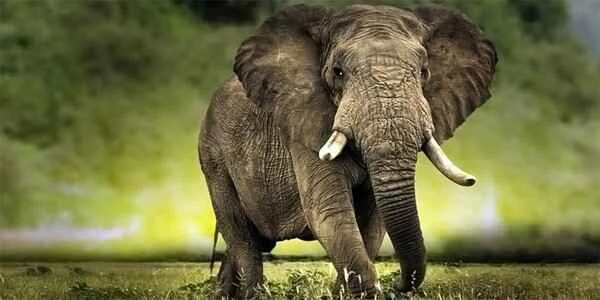
African savanna elephant population overview
The African savanna elephant ( Loxodonta africana ) is the largest land animal on Earth, found in sub-Saharan Africa. Although once widespread across the continent, its numbers have drastically declined due to poaching, habitat loss, and human-elephant conflict. Despite conservation efforts by various countries, the population size and condition of the elephants vary significantly across different regions. Below is detailed information on African savanna elephant populations in major regions and countries.
| Region/Country | Estimated population size | Population Trends | Protection status | Main threats |
|---|---|---|---|---|
| Southern Africa | ~227,000 | Stable/Rising | Large national parks are well protected | Poaching, habitat loss |
| Botswana | ~130,000 | Stablize | Well-protected, home to the world's largest population | Mild poaching, habitat stress |
| Zimbabwe | ~85,000 | Slightly decreased | Nationally protected, but with moderate human-elephant conflict. | Habitat loss, human-elephant conflict |
| Namibia | ~24,000 | Stablize | National Parks and Reserves | Poaching, Climate Challenges |
| South Africa | ~17,000 | rise | Protected parks (Kruger, Addo, etc.) | Poaching, limited land area |
| East Africa | ~86,000 | decline | Scattered protected areas | Poaching, human-elephant conflict |
| Tanzania | ~43,000 | decline | Despite being protected, poaching persists. | Poaching, habitat invasion |
| Kenya | ~34,000 | Stablize | Poaching control measures strengthened | Poaching, drought, human-elephant conflict |
| Uganda | ~5,500 | Stablize | National Park Protection | poaching, habitat fragmentation |
| Central Africa | ~20,000 | rapid decline | Inadequate protection, sparse forests | serious poaching and logging |
| Democratic Republic of the Congo (DRC) | ~10,000 | decline | Sparse protection, dense forest cover | High poaching, conflict zones |
| west africa | ~11,000 | Critically Endangered | Populations are scattered and fragmented | poaching, land conversion |
| Gabon | ~8,000 | Stablize | Protect park and forest cover | Habitat loss, poaching |
| Mali, Ivory Coast, Burkina Faso | ~3,000 | Critically Endangered | The population is scattered and the number is small. | Serious poaching and human-elephant conflict |
Key Insights
Largest population : Botswana is home to the world’s largest population of African savanna elephants, thanks in large part to its effective conservation measures and vast protected areas.
Regional differences : Populations in southern Africa are generally larger and more stable, while populations in central and west Africa face severe challenges.
Declining trend : Populations in East, Central and West Africa are showing a worrying decline due to poaching and habitat loss, with insufficient conservation resources in some areas.
Conservation efforts : National parks and protected areas in southern Africa (such as Botswana and South Africa) and East Africa (such as Kenya) play a key role in stabilizing and growing populations.
Major threats : Ivory poaching, habitat encroachment, climate challenges, and human-elephant conflict are the main threats faced by all regions.
Current Status and Future Prospects
While some populations in southern Africa have stabilized or even increased, poaching and habitat fragmentation remain serious problems in densely forested central Africa and West Africa, where conservation resources are limited. Continued conservation efforts, international cooperation to reduce the ivory trade, and sustainable habitat management are crucial to ensuring the future of the African savanna elephant.
African elephants are known for their enormous size and strength, and can be dangerous, causing countless injuries and deaths each year due to conflicts with humans. While not inherently aggressive, they can be highly defensive when protecting their families and territories. The following is a detailed analysis of the dangers posed by African elephants and the fatalities resulting from human interactions with them.
1. Defensive behavior and aggression
African elephants, especially females with calves, have a strong protective instinct. When they feel threatened, they will fiercely protect their calves, sometimes charging at them or using their massive size to drive away the threat.
Male elephants, especially during estrus (the period when hormone levels and aggression are significantly elevated), exhibit particularly unpredictable and aggressive behavior. At this time, male elephants' testosterone levels can increase approximately 60-fold, leading to impulsiveness and aggressive responses to threats.
2. Interaction with humans
As human settlements and agricultural land expand into elephant habitats, human-elephant interactions are becoming increasingly frequent. Elephants often encroach on farmland, leading to increased contact with human communities. In such situations, people sometimes try to drive away elephants by making noise or setting off firecrackers, which may trigger defensive or retaliatory behavior from the elephant herds.
In national parks and wildlife reserves, tourists and locals may try to get too close to elephants for photography or observation purposes. Getting too close can make the elephants feel threatened, potentially leading to dangerous situations.
3. Fatal Events and Statistics
It is estimated that African elephants cause between 100 and 500 deaths annually across the continent, although the exact number varies. These deaths include accidental stampedes, farmland conflicts, and defensive attacks.
In areas with frequent conflicts, especially where elephant herds are close to agricultural communities, human casualties are more common. This issue is one of the major challenges for conservation efforts, requiring conservationists to protect elephant populations while also ensuring the safety of local communities.
4. Reasons why African elephants are considered dangerous
Size and strength : African elephants can weigh up to 13,000 pounds (5,900 kilograms) and stand up to 13 feet (4 meters) tall. This strength is enough to easily overturn vehicles or destroy buildings, making conflicts with angry or frightened elephants extremely dangerous.
Speed and agility : Despite their enormous size, elephants can sprint at speeds of up to 25 miles per hour (40 kilometers per hour), and their immense strength makes it difficult for humans to escape when faced with an elephant charge.
Memory and intelligence : Elephants possess excellent memories and may remember specific locations or groups of people that have posed a threat to them, which has led to repeated conflicts in some areas.
5. Efforts to reduce human-elephant conflict
Conservation organizations are working closely with local communities to develop safe methods and measures for driving away elephants, such as using honeycomb fences (elephants are naturally afraid of bees) and chili pepper protection, which can protect farmland without harming the elephant herds.
At the same time, the conservation project also focuses on educating local residents on how to behave safely around elephant herds and supporting sustainable land use practices to reduce habitat encroachment.
While African elephants are not inherently aggressive, they can be extremely dangerous when provoked or in self-defense. With increasing overlap between human activities and elephant habitats, human casualties are frequent, with between 100 and 500 deaths annually attributed to elephants. However, numerous conservation projects are actively underway to manage these conflicts and develop coexistence strategies for the benefit of both elephant populations and communities.
The artistic use of African elephants
African elephants have been a source of inspiration for art since ancient times. From ancient carvings and symbolic representations to modern visual art and conservation-themed installations, these magnificent creatures hold a unique place in global culture and art. Below is a detailed overview of how African elephants have influenced art forms around the world.
1. Tradition and Culture
African tribal art : In many African cultures, elephants symbolize strength, wisdom, and good fortune. The image of the elephant frequently appears in the art of African tribes, such as in carvings, sculptures, and textiles. For example, the Akan and Ashanti tribes from Ghana carve elephant images on ceremonial objects to symbolize the power of their leaders.
Masks and carvings : Many African masks and carvings from elephant habitats often incorporate elephant features. Elephant masks, characterized by large ears and long trunks, are frequently used in traditional ceremonies, symbolizing wisdom and strength.
Textiles : In traditional African textiles, such as Kent cloth from Ghana, there are sometimes striking patterns that serve as symbols of power. These textiles are not only practical but also play an important role in preserving cultural value and history.
2. Symbolic Meaning in Religious and Spiritual Art
In Africa and elsewhere, elephants are seen as symbols of patience, loyalty, and dignity. This symbolism extends to religious art, where elephants often appear as spiritual figures. In many indigenous African beliefs, elephants are seen as messengers between heaven and earth, or as entities connecting the human world and the spiritual world.
The African elephant also holds an important place in Hindu and Buddhist cultures. Elephants typically symbolize prosperity and protection, and are frequently depicted in religious sculptures and paintings. The African elephant's massive size and gentle nature make it a perfect symbol of strength and compassion.
3. Modern and Contemporary Art
Painting and Sculpture : Contemporary artists often use African elephants as a subject, showcasing themes such as beauty, fragility, and environmental change. Paintings and sculptures that capture the essence of the elephant often serve as artistic expressions calling for the protection of these endangered animals.
Conservation Art Installations : With growing awareness of wildlife conservation, artists have created numerous large-scale installations based on recycled materials, symbolizing threats faced by elephants, such as poaching and habitat loss. These installations are often placed in public spaces, galleries, and parks, combining art with social activities to encourage reflection on wildlife conservation issues.
Elephant-themed jewelry : Jewelry designers often draw inspiration from the form and symbolism of elephants to create many elephant-themed pieces. These pieces are not only beautiful and unique, but also frequently serve as reminders to protect elephants and support conservation efforts.
4. Art created by elephants
In some protected areas and wildlife sanctuaries, elephants themselves have become artists. Some elephants are trained to create abstract paintings using their trunks. While controversial, this practice is also seen as a way to raise funds to support elephant conservation efforts and showcases the intelligence and creativity of elephants.
These paintings created by elephants are typically auctioned, with proceeds going to wildlife conservation centers and anti-poaching efforts. Buyers appreciate the artistry while supporting elephant conservation.
5. Photography and Film
African elephants, with their magnificent appearance and complex social behaviors, are a favorite subject for photographers and filmmakers. Wildlife photographers capture images of African elephants in their natural habitats, with works ranging from tranquil scenes of elephants bathing to tense moments of interaction within the herd.
Documentaries about African elephants have become an important tool for raising awareness of elephant conservation. By capturing the family bonds, intelligence, and personalities of elephant herds, filmmakers are able to draw global audiences to the importance of protecting these animals.
6. Images in Public Art and Murals
In cities around the world, street artists and muralists often use the image of the African elephant to create powerful artistic statements. These murals typically focus on themes such as environmental protection, compassion, and global solidarity.
The use of African elephants in public art reflects their power and compassion as a universal symbol, capable of attracting diverse audiences and creating a strong visual impact in both rural and urban environments.
The artistic use of African elephants transcends culture, time, and media. From traditional African art that respects the symbolic meaning of animals to contemporary art that advocates for environmental protection, elephants have always been a source of creativity and a driving force for ecological conservation. Through sculpture, painting, film, and even artworks created by the elephants themselves, African elephants remain a powerful symbol in artistic expression and the movement to protect endangered species.
The Intelligence and Memory of African Elephants: Revenge and Grudges
African elephants are renowned for their intelligence, memory, and social behavior, traits that help them adapt to and survive in diverse environments. These remarkable creatures exhibit complex cognitive abilities, including problem-solving, self-awareness, and exceptional memory, all of which play a crucial role in their behavior, particularly in how they remember past events and, in certain situations, seek revenge.
1. The intelligence of elephants
African elephants are considered among the most intelligent animals on Earth, with cognitive abilities comparable to those of primates such as cetaceans (like dolphins and whales) and gorillas. Their intelligence is manifested in the following aspects:
Problem-solving skills : Elephants can use tools, such as swatting flies with twigs or scratching themselves, demonstrating their understanding of how to use objects to solve problems. They can also modify their environment to obtain food or water, showcasing critical thinking and adaptability to change.
Self-awareness : Research shows that elephants have the ability to recognize themselves. They pass the "mirror test," a common experiment used to test an animal's self-awareness, indicating that they are aware that the image in a mirror is themselves.
Social intelligence : Elephants live in complex social structures with intricate relationships within their groups. They communicate through voice, body language, and even low-frequency sounds (infrasound), and have been observed to exhibit empathetic behavior, such as comforting distressed group members.
2. Memory and long-term memory
African elephants possess an exceptional memory, one of their most remarkable characteristics. They have an extraordinary ability to remember individuals and locations, even long after they've been there. This memory plays a crucial role in their survival and social dynamics.
Individual memory : Elephants can recognize and remember the faces and scents of other elephants, as well as humans and other animals. They can distinguish between different individuals, and research shows that they can even recall people or animals with whom they have had hostile or friendly interactions, sometimes for many years.
Geographic memory : Elephants possess remarkable memory abilities, capable of remembering water sources, food sources, and migration routes. This is crucial for their survival, especially in environments where water and food may be scarce, requiring them to search for resources over vast areas.
Social memory : Elephants also possess social memory, which helps them maintain complex relationships with other members. They remember interactions with family members and other elephants, which plays a vital role in their decision-making, cooperation, and problem-solving within the group.
3. The Elephant's Revenge and Grudge
Whether elephants retaliate is an interesting topic, given the animals' deep emotions and memory. While the concept of retaliation is complex and often controversial in ethology, there are documented instances of elephants exhibiting behaviors that could be interpreted as retaliatory when faced with threats or harm.
Aggression towards humans and other animals : Elephants are capable of exhibiting aggression towards individuals they perceive as threats. After being harmed by humans or other animals, some elephants have been observed actively seeking out the perpetrator or displaying increased aggression in areas associated with the threat. This can be seen as a retaliatory behavior, as the elephant is reacting to the source of the suffering.
Attacks on poachers or hunters : Elephants are known to be aggressive towards poachers, especially when they or their groups face a direct threat. Some reports indicate that elephants have destroyed poachers' vehicles or attacked those who have killed members of their group. This can be interpreted as an act of revenge, as if the elephants are seeking justice for their families or group.
Unpleasant memories : Elephants have the ability to remember past experiences for a long time. For example, elephants that have experienced poaching or abuse may react more violently to similar threats in the future. They seem to remember the pain and harm they suffered and act accordingly when faced with the same danger.
Protective Behavior : Elephants are extremely protective of their young and other members of their herd. When threatened, such as by predators or poachers, elephants typically exhibit defensive behaviors, including charging, bellowing, and even forming a circle to protect vulnerable members. This can be seen as a form of retaliatory protection against their relatives.
4. The role of memory in behavior
Intelligence and memory play a fundamental role in the survival and social structure of African elephants. They can remember individuals, places, and past experiences, enabling adaptive behaviors in the wild. Although the concept of "revenge" in elephant behavior remains controversial, their reactions to past traumas and threats suggest that they are indeed capable of holding grudges, especially when protecting their herd and themselves from harm. This remarkable memory and emotional depth underscore the complexity of elephant behavior and underscore the importance of protecting these intelligent and sensitive animals.
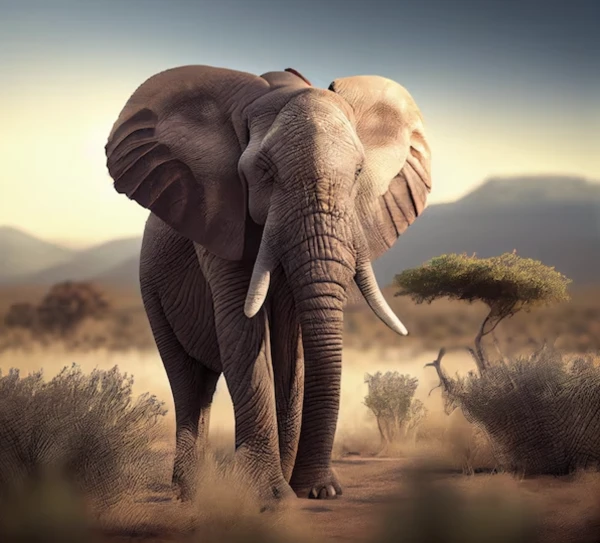
African elephant conservation measures
African elephants, an iconic species of African wildlife, face significant threats from poaching, habitat loss, and human-wildlife conflict. However, numerous conservation measures have been implemented globally to protect these majestic creatures. Below is a detailed overview of the various strategies and initiatives for African elephant conservation.
1. Anti-poaching measures
Strengthened enforcement : Governments and conservation organizations have implemented stricter regulations and increased patrols to protect national parks and wildlife reserves. The use of surveillance technologies such as satellites, drones, and cameras has become crucial for monitoring elephant herds and detecting illegal poaching.
International Ivory Trade Ban : Under the Convention on International Trade in Endangered Species of Wild Fauna and Flora (CITES), a global ban on international ivory trade has been implemented. Countries such as China and the United States have already enacted domestic ivory trade bans to reduce demand for ivory.
Tracking and monitoring : Many organizations use satellite tracking and GPS collars to track the movements of African elephants, especially in high-risk poaching areas, in order to protect the herds in a timely manner.
2. Habitat protection and restoration
Establishing protected areas : Establishing national parks, wildlife sanctuaries, and other protected areas is a key initiative for protecting elephant populations. By creating these protected areas, African elephants are provided with a safe habitat, protected from poaching and habitat loss.
Habitat restoration projects : Due to deforestation and agricultural expansion, the habitats of many elephant herds have been severely damaged. Conservation organizations are restoring these degraded ecosystems by replanting trees, improving water sources, and ensuring that the herds have access to the resources they need to survive.
Wildlife corridors : In areas where human settlements and agricultural development have destroyed elephant habitats, conservation organizations are establishing wildlife corridors. These corridors provide safe passageways for elephant herds, helping them migrate between different areas, ensuring genetic diversity, and providing access to essential resources such as food and water.
3. Community participation and human-wildlife conflict mitigation
Education and Awareness Building : Raising awareness of the importance of species conservation in local communities is key to long-term success. By enhancing people's understanding of the species' role in the ecosystem, local residents are more likely to support conservation measures.
Community-led conservation projects : Many conservation projects are beginning to proactively involve local communities in elephant conservation efforts. For example, training local residents to become community rangers helps monitor and protect elephant populations, reducing poaching and conflict.
Conflict mitigation strategies : Elephant herds often enter farmland or human settlements in search of food, causing damage to crops and property, thus triggering conflicts with humans. To address this issue, methods such as electric fences, bee swarm control devices (elephants typically avoid the sound and smell of bees), and crop protection measures have been used to mitigate these conflicts and reduce harm to elephants caused by retaliatory behavior.
4. Artificial propagation and reintroduction
Artificial breeding programs : For endangered elephant populations, some organizations have launched artificial breeding programs aimed at increasing the number of captive-bred elephants and eventually releasing them back into the wild, although this approach is often controversial and complex.
Relocation and reintroduction : For elephant herds whose habitats have been severely damaged, conservationists have implemented relocation measures, moving them from overcrowded or dangerous areas to safer, more suitable habitats. This process requires careful planning to ensure the herds can adapt to the new environment and to avoid unnecessary stress or conflict.
5. Tourism and Sustainable Economic Benefits
Ecotourism Initiative : Tourism plays a vital role in elephant conservation, especially in the context of sustainable management. Ecotourism focused on wildlife viewing, such as wildlife park adventures, can generate revenue that funds conservation efforts. Local communities are more likely to protect elephant populations and their habitats when they directly benefit from tourism.
Sustainable livelihoods : Providing alternative livelihoods for local communities, such as beekeeping, ecotourism, or sustainable agriculture, can reduce dependence on behaviors such as destroying elephant habitats or poaching elephants.
6. International Cooperation and Policy Advocacy
Global collaboration : International cooperation among governments, non-governmental organizations (NGOs), and local communities is crucial for the conservation of African elephants. For example, the African Elephant Alliance collaborates with organizations such as the World Wildlife Fund (WWF) on cross-border advocacy, research, and solution implementation.
Policy advocacy and reform : Working with policymakers to strengthen wildlife protection laws, promote better enforcement of conservation measures, and advocate for ethical wildlife trade policies are crucial to ensuring the long-term survival of elephant populations. International pressure can encourage countries to sign and implement agreements that contribute to elephant conservation.
7. Research and Monitoring
Population surveys : Regular population surveys are crucial for tracking the health of elephant herds and assessing the effectiveness of conservation measures. Emerging technologies, such as drones and genetic research, help obtain accurate data without disturbing the herds.
Ecological research : Understanding the behavior, migration patterns, and social structure of African elephants is crucial for developing effective conservation strategies. Studying the roles of elephant herds in ecosystems (such as seed dispersal and forest maintenance) helps highlight their importance and thus promote stronger support efforts.
African elephants face multiple threats, but through various conservation measures such as anti-poaching, habitat protection, and community involvement, these majestic animals still have a chance for long-term protection. With continued investment and increased conservation awareness, we can create a safer habitat for African elephants in the future.