Many birds can soar freely in the air, but did you know that some birds can also swim underwater? If you are interested in these birds that can both fly and swim, then this article will unveil their amazing world for you.
From ducks and geese to swans and pelicans, many birds are adept at both flying and swimming. We will now delve into the unique adaptations, behaviors, and habitats of these birds.
Birds that are good at flying and swimming
Duck
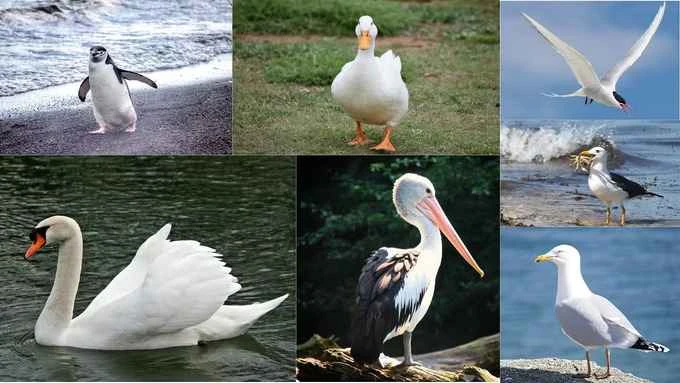
Ducks are excellent swimmers and skilled aviators. They move freely in the water and can also take off quickly for migration or to escape predators. Common duck species include mallards, wood ducks, spot-billed ducks, and pochards. Ducks' webbed feet, streamlined bodies, and waterproof feathers make them very agile in both swimming and diving.
Goose
Geese are not only graceful swimmers but also formidable fliers in the air. They typically form distinctive "V"-shaped formations during seasonal migrations, flying thousands of kilometers. Their strong wings, waterproof feathers, and webbed feet allow them to excel in multiple domains, including land, water, and air.
swan
Swans are elegant and strong, and although they mainly live in water, their flying ability is equally impressive. Whether it is the mute swan, the black swan, or the whooper swan, they all rely on their broad wings and streamlined bodies to complete long-distance migrations, while demonstrating extraordinary swimming skills in the water.
Seagulls and terns
Seagulls and terns are typical examples of highly adaptable seabirds, capable of both swimming on the sea and soaring in the sky. Their sharp eyesight, teardrop-shaped streamlined bodies, and waterproof feathers help them easily forage for food both on the water and in the air.
puffins
Members of the puffin family, such as the horned puffin and the thin-billed puffin, are both powerful swimmers and skilled fliers. They use their short but powerful wings to "fly" underwater to catch fish while also quickly escaping predators.
Loon
Loons are not only excellent divers, but they can also fly long distances. These birds, which inhabit lakes in North America and Canada, use their dense bones and sharp beaks to hunt fish underwater with astonishing efficiency.
Grebe
Grebes are waterbirds similar to loons, adept at diving and flying. They live in lakes and wetlands, feeding on fish and crustaceans. During migration season, they form flocks and fly to warmer regions.
cormorant
Cormorants are black waterbirds known for their fishing skills. They rely on their keen eyesight and sharp beaks to catch prey, and after catching their prey, they usually spread their wings to dry their feathers in preparation for their next flight.
Snake Pelican
The snake pelican, also known as the "snake bird," gets its name from its slender neck and sharp beak. They live in tropical wetlands, are adept at diving underwater to catch fish, and can also soar gracefully through the air.
Pelicans
Pelicans are known for their enormous throat pouches and unique fishing methods. They can not only float on the sea surface but also swoop down from the air to catch fish. After catching their prey, they quickly dry their feathers by flapping their wings and basking in the sun before taking flight again.
Unique Adaptive Characteristics
webbed feet
Webbed feet are a distinctive feature of many waterbirds, providing powerful thrust that makes them swim more easily and nimbly.
Waterproof feathers
Bird feathers are coated with oils, making them effectively waterproof. These waterproof feathers not only keep birds warm but also allow water to easily slide off their backs, preventing the feathers from getting soaked.
Streamlined body
A streamlined body helps reduce water resistance, making swimming more efficient. For example, penguins' streamlined bodies allow them to swim quickly and smoothly in the water.
Strong pectoral muscles
Waterbirds' pectoral muscles support both flight and underwater swimming. For example, the cormorant's pectoral muscles help it dive and also assist in taking off quickly.
Flexible neck
Long-necked waterbirds such as swans and pelicans rely on their flexible necks to precisely capture prey in the water.
oil glands
Waterbirds secrete oil from their oil glands to coat their feathers and maintain their waterproof properties. Regular grooming ensures that their feathers remain dry while diving.
Their swimming and flying methods
Webbed feet paddling
Webbed feet provide waterbirds with the primary propulsion, enabling them to glide easily across lakes, rivers, and oceans. Flexible toes also help them turn quickly.
Diving hunting
Diving birds, such as loons and auks, use their dense skeletons to dive and use their powerful wings to "fly" underwater to chase prey.
Takeoff skills
Waterbirds typically need a running start to take off; for example, swans and ducks quickly paddle on the water's surface to build speed before using their wings to lift off. Birds like grebes, however, can leap directly from the water's surface to take flight.
Habitat and Behavior
coastal areas
Seagulls, terns, and puffins mostly live in coastal areas, using the abundant fish and crustacean resources of the ocean as their main food source.
Lakes and wetlands
Lakes and wetlands are important habitats for birds such as loons and grebes, providing suitable nesting environments and abundant food.
Migration
Many waterbirds migrate seasonally to warmer regions in search of more suitable habitats. For example, the Arctic tern migrates up to 70,000 kilometers each year, making it the king of migrations.
in conclusion
Birds that can both fly and swim demonstrate an amazing ability to adapt to nature. Whether gracefully soaring through the skies or nimbly diving underwater, these birds perfectly blend survival skills in both the air and water.
Next time you see a duck leisurely paddling in a pond, or a tern swooping down to catch its prey, why not stop and appreciate these amazing creatures that are "amphibious in both the air and the water"?