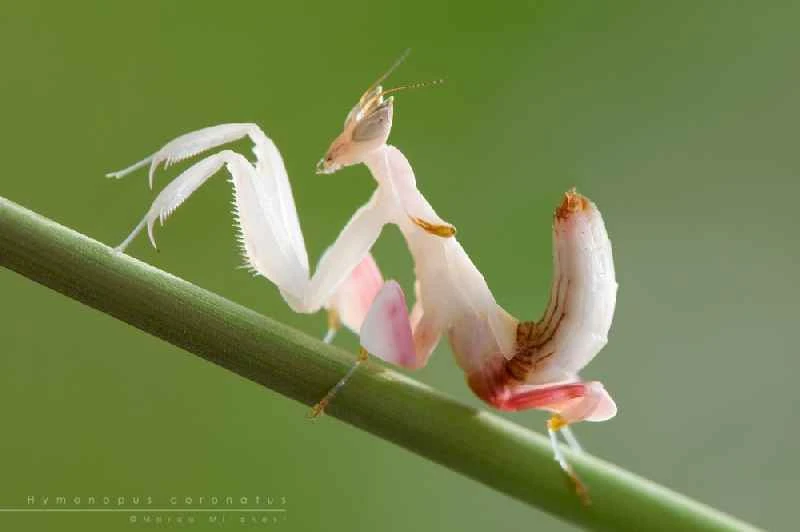
In the insect world, there exists a beautiful yet cunning "little trickster"—a creature as beautiful as a fairy, yet a fearsome hunter. That's right, it's the infamous orchid mantis (scientific name: *Hymenopus coronatus*). Don't let its gentle appearance fool you; it's actually a master hunter who understands the principle that "beauty is justice."
Scientific classification | |
boundary: | Animal Kingdom |
Door: | Phylum Arthropoda |
Outline: | Insecta |
Head: | Mantodea |
division: | Hymenopodidae |
Genus: | Hymenopus (flower mantis) |
kind: | Orchid Mantis (Hymenopus coronatus) |
As masters of disguise, this mantis cleverly uses mimicry to perfectly hide itself among orchids, effectively avoiding predators and luring prey. This survival strategy is known in zoology as "aggressive mimicry."
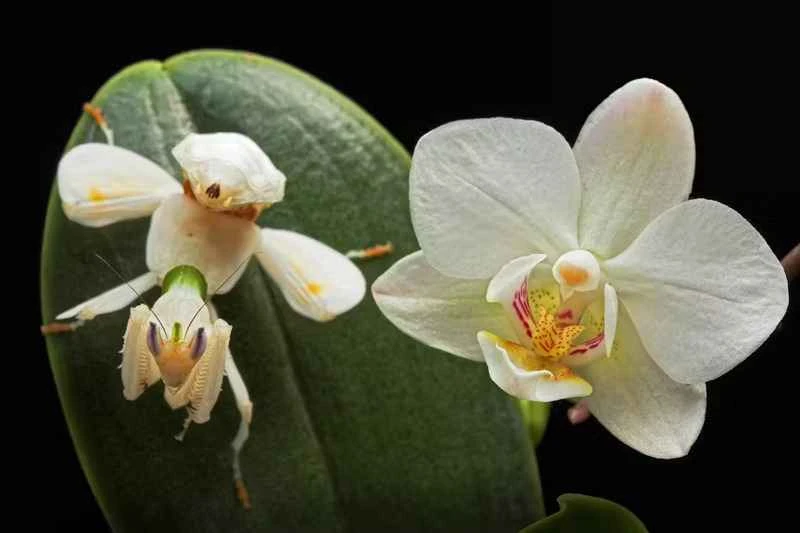
The orchid mantis , as its name suggests, resembles a delicate orchid. With its pinkish-white limbs and exquisite appearance, it is not only pleasing to the eye but also a master of camouflage. When they quietly perch among orchids, it is almost impossible to distinguish between flower and mantis. This perfect mimicry allows the orchid mantis to both evade predators and easily prey on unsuspecting insects.
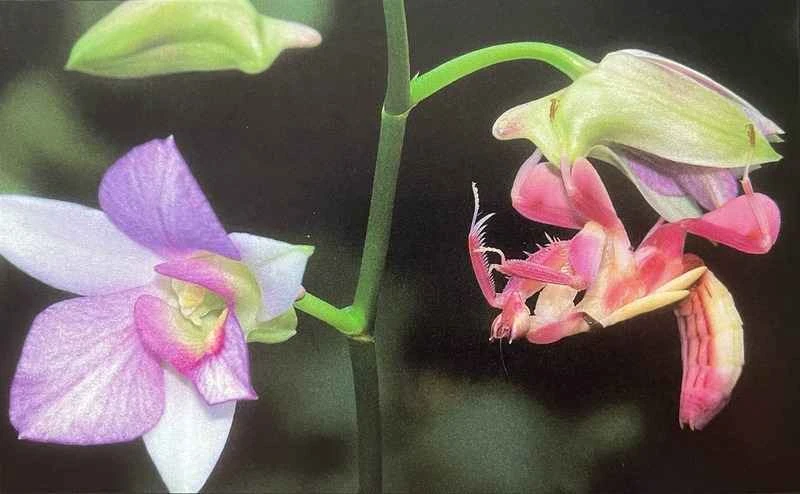
You might wonder why the orchid mantis chooses the path of "flowers"? The answer is simple: good hiding means good eating! Not only do they closely resemble flowers in color, but their body textures and postures are also perfectly synchronized with the petals. This superb camouflage makes them Oscar-worthy "actors" in the insect world. Once prey falls into their trap, they strike with lightning speed, their forelegs clamping down on the prey like lightning. Truly, they possess both beauty and wisdom, gentle yet deadly.

Research indicates that this mimicry is not merely a simple visual deception; these insects also emit chemical signals that mimic the fragrance of real orchids, a highly rare phenomenon in the insect world. Scientists believe this complex mimicry mechanism has given the orchid mantis a significant advantage during evolution.
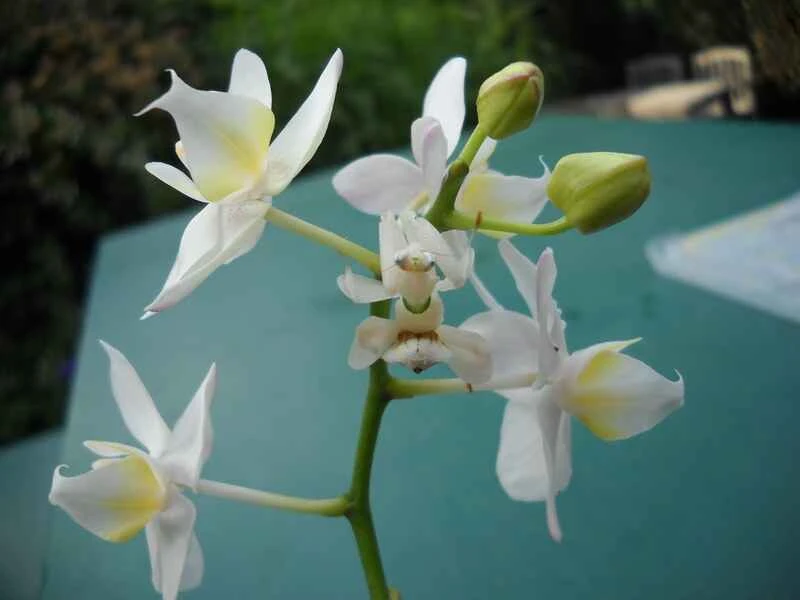
Orchid mantises don't just rely on their looks to survive; they also possess an excellent visual system. Their heads are flexible, able to rotate nearly 180 degrees, and combined with their superior stereoscopic vision, they can easily track and lock onto prey. Furthermore, they can even distinguish subtle differences between prey and prey, ensuring a guaranteed victory with every strike.

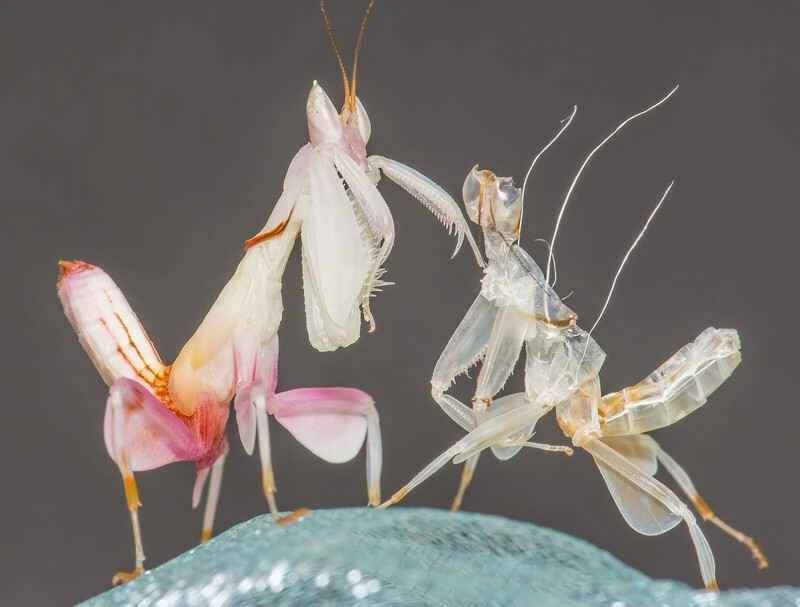
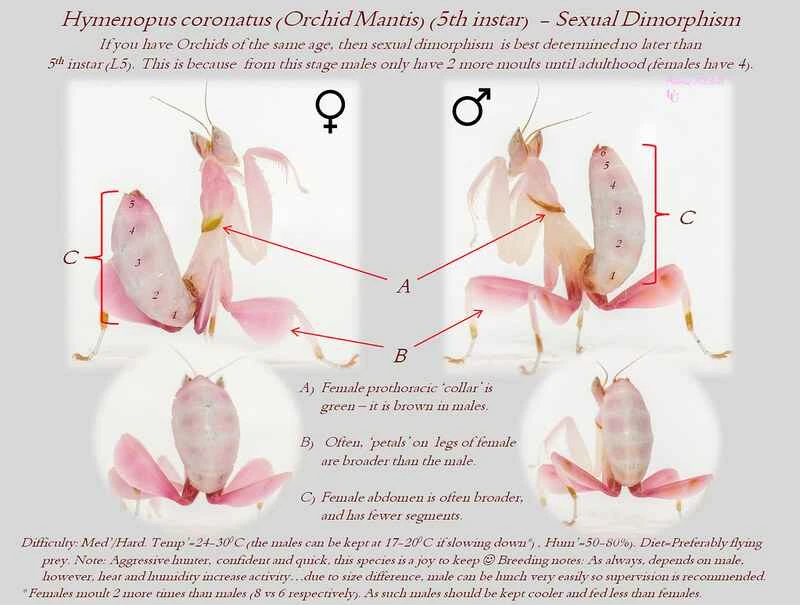
Interestingly, the love life of the orchid mantis is also quite "dramatic." Female orchid mantises are significantly larger than males, meaning males must be extremely cautious when pursuing a mate. A slight misstep could turn what should be a romantic courtship into a meal for the female. The evolutionary theory behind this "sexual cannibalism" suggests that females obtain more nutrients by consuming males to ensure the healthy development of their offspring. Fortunately, nature has endowed male orchid mantises with an "escape strategy": they cautiously probe before mating, only launching their romantic offensive once they are sure it's safe.
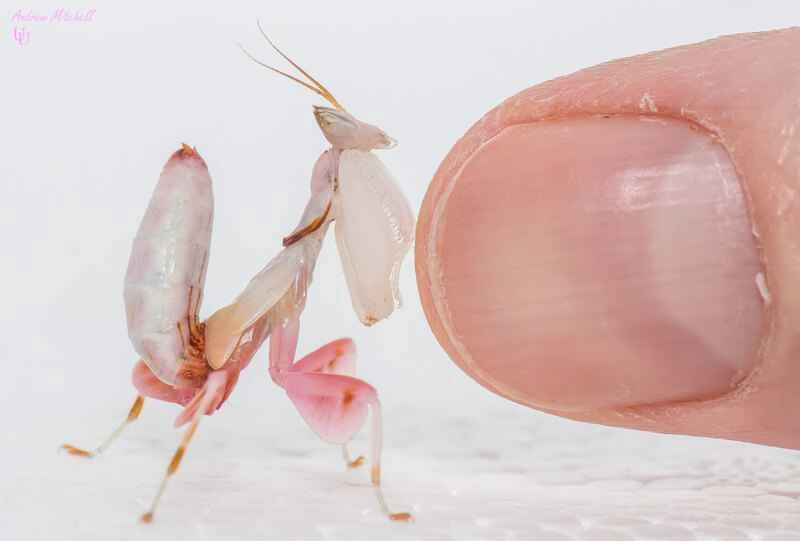
The orchid mantis's beauty has made it a favorite among insect enthusiasts, and more and more people are keeping them as pets. However, keeping orchid mantises is not easy. They have high requirements for environmental humidity and temperature, and are also picky eaters. Therefore, if you want to live in the same room as this "fairy" of the insect world, you must take good care of them.
In conclusion, the orchid mantis, with its exquisite appearance, superb camouflage skills, and unique lifestyle, has become one of nature's most amazing artists. Next time you admire flowers, take a closer look; perhaps one of those "flowers" is secretly watching you!