Most jellyfish in the world are venomous, varying only in the strength of their toxicity. Several species are listed as among the most dangerous jellyfish in the world. Below is a list of the ten most venomous jellyfish, including the Australian box jellyfish, the Irukanji jellyfish, the Portuguese man-of-war, the flower cap jellyfish, the hook-hand jellyfish, the Arctic jellyfish, the hairy jellyfish, the sand jellyfish, and the nettle jellyfish. These jellyfish may appear beautiful and alluring, but they actually harbor deadly dangers.
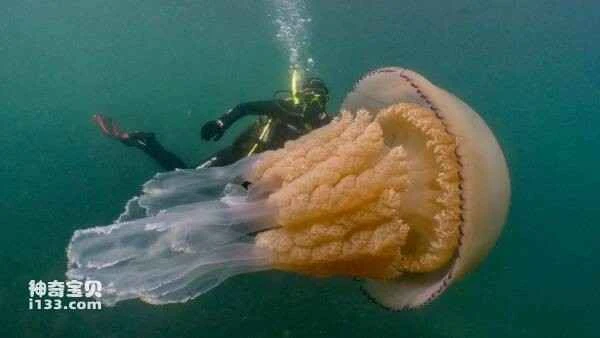
Therefore, these jellyfish must be handled with extreme caution to avoid contact and prevent unforeseen harm. Let's learn about these potentially dangerous jellyfish and enhance our understanding of these beautiful yet deadly creatures. Hopefully, this summary will help everyone better understand these dangerous jellyfish species.
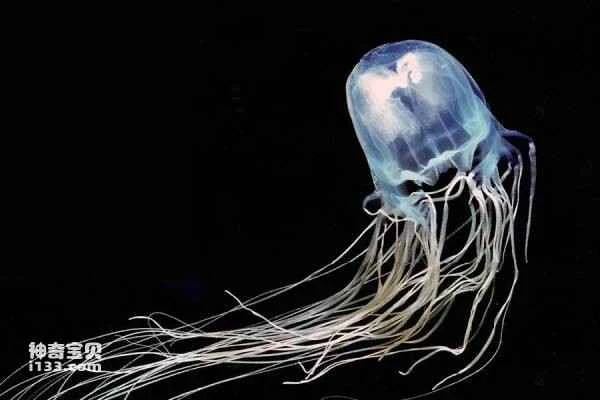
1. Australian box jellyfish
The Australian box jellyfish, also known as the "sea wasp" or the "transparent killer of the ocean," is a jellyfish that inhabits Australia, northern New Guinea, the Philippines, and Vietnam. This jellyfish is considered one of the deadliest jellyfish globally, responsible for countless injuries and deaths. Despite being only about 40 centimeters long, it is unique in that it has four clusters of eyes, totaling 24 eyes; its tentacles are covered with thousands of stinging cells that store venom.
If this jellyfish is accidentally provoked, it will frantically inject a large amount of neurotoxin into its target, causing damage to the heart and nervous system, as well as other tissues. This toxin is enough to kill a person in just 30 seconds.
2. Irukanji jellyfish
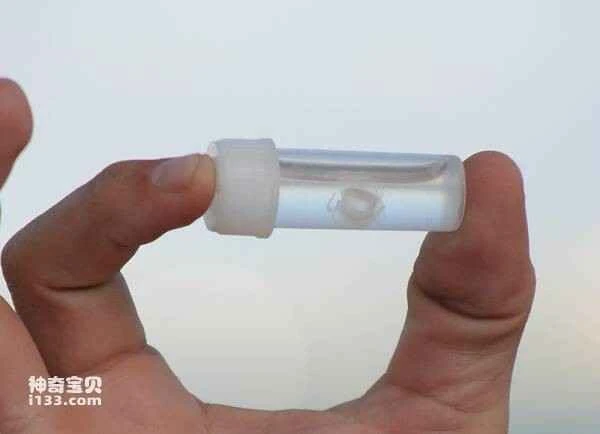
The Irukanji jellyfish is considered one of the most venomous jellyfish in the world. Despite its small size, only a few centimeters in length, it contains venom hundreds of times more deadly than that of a cobra. A sting from just one Irukanji jellyfish can be fatal. When a human is stung by an Irukanji jellyfish, they initially experience only a slight stinging sensation. However, as the toxin spreads throughout the body, a red rash appears on the affected skin, followed by excruciating pain throughout the body. Subsequently, the patient may suffer from lung and kidney dysfunction, and in severe cases, the condition can be fatal.
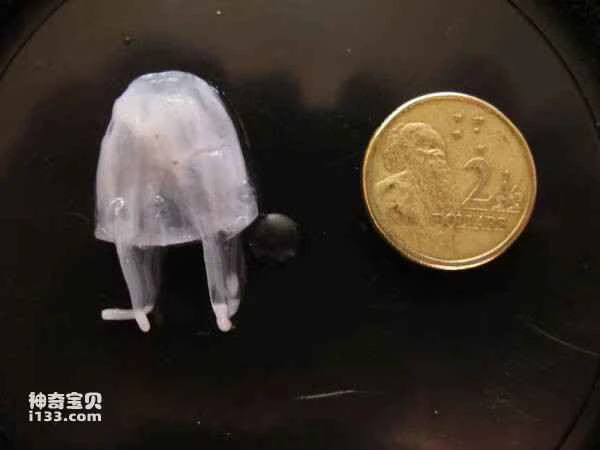
Even more dangerous is that these jellyfish are so small that they are almost invisible to the naked eye in the water, and they can even squeeze through the mesh and into the protective netting of the swimming area.
3. Hand-pulled jellyfish
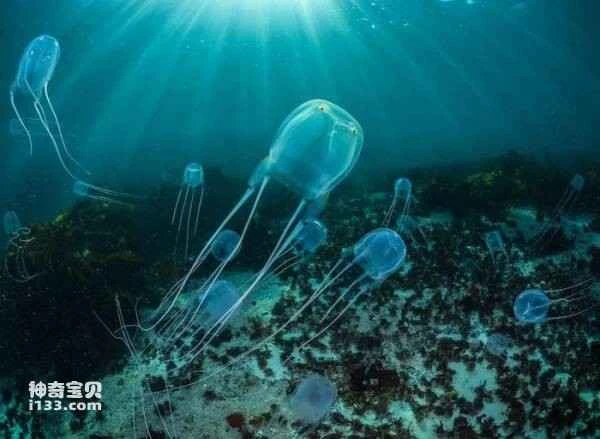
This box jellyfish can be considered a smaller version of the wasp among jellyfish. Despite its tiny size, it is quite formidable. Primarily inhabiting the Indian, Pacific, and western Atlantic Oceans, it is affectionately known as the "venomous snake" by locals in Okinawa Prefecture, Japan, where encounters with it occur annually. The stings from the quadriceps of the box jellyfish are extremely painful and can be fatal in some cases. These stings can trigger cardiac arrest, respiratory failure, acute pulmonary edema, and even death.
4. Portuguese man-of-war jellyfish
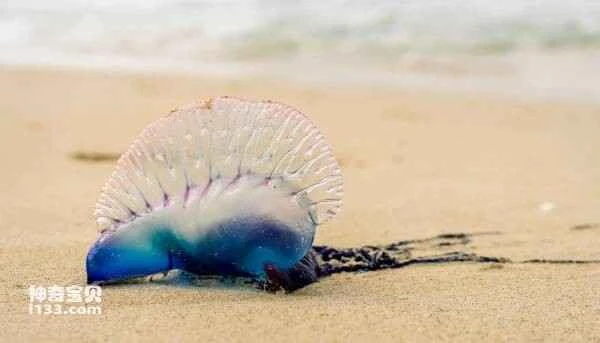
The Portuguese man-of-war can predict storms. It has a float with long tentacles hanging from it. Inside the float is a special gland that releases carbon dioxide, causing it to inflate. The word "jellyfish" in Greek means "bubble," and it is with the help of these bubbles that the jellyfish can rise and fall, drifting to places with food or away from predators. The Portuguese man-of-war's deadly weapon is its tentacles, which can reach up to 9 meters in length. Therefore, many swimmers only realize the danger when they see the jellyfish, and it's too late. The toxin secreted by the Portuguese man-of-war is a neurotoxin. Over time, victims suffer not only excruciating pain but also a sudden drop in blood pressure, difficulty breathing, gradual loss of consciousness, systemic shock, and ultimately death from pulmonary failure.
5. Flower jellyfish
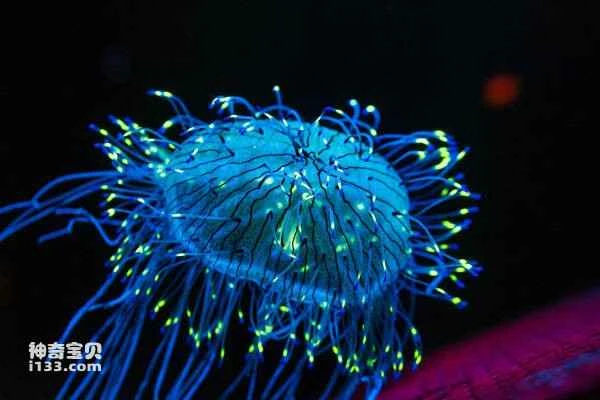
The flower cap jellyfish (Olindias formosa) is a group of beautiful underwater creatures. Although they look very much like jellyfish, they belong to the class Hydrozoa and live in freshwater. Some classifications place them in the order Limnomedusae, belonging to the phylum Cnidaria and class Hydrozoa. As the name suggests, they are a group of jellyfish that live in freshwater, but they are actually hydrozoa. They are different from true jellyfish in the ocean. The flower cap jellyfish are found in the northwestern Pacific Ocean near central and southern Japan and Jeju Island in South Korea. Adults only live for a few months, usually appearing from December to July, peaking in April or May.
The flower jellyfish is one of the few hydroid jellyfish with strong venom. Being stung by it can cause intense pain. Although there are no reports of people dying from being stung by this jellyfish, there are cases of people going into shock after being stung. Therefore, it is best not to touch this beautiful jellyfish if you see it in the wild.
6. Hook-hand jellyfish
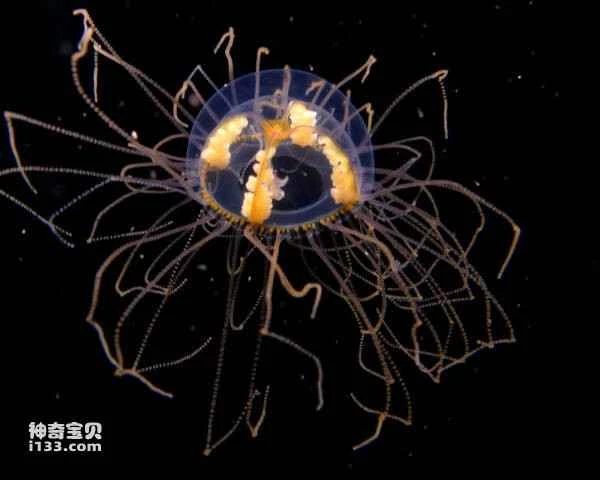
Hook jellyfish are small marine jellyfish that often use their tentacles to attach themselves to seaweed in their natural environment, waiting for the right moment to capture prey. These jellyfish have venomous stings and often congregate in groups in warm waters, posing a threat to swimmers.
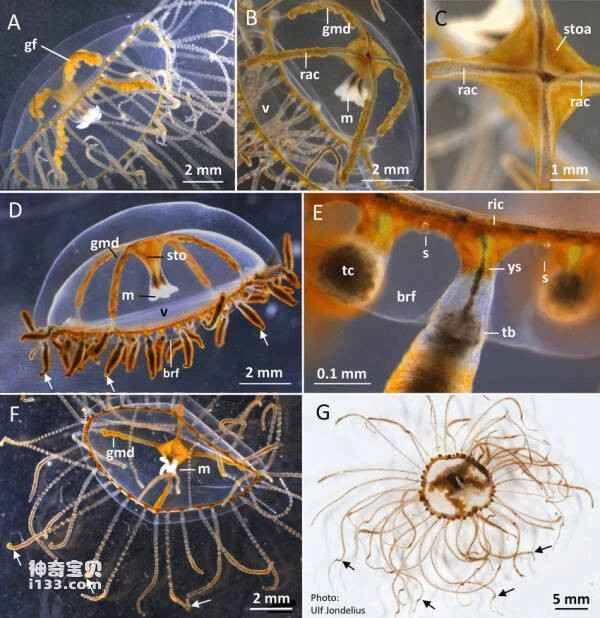
Once a human is stung by a hooked jellyfish, they will feel a burning pain on their skin, followed quickly by blisters and localized swelling. Within 10 to 30 minutes of the sting, the patient will experience weakness, numbness, joint pain in the limbs, difficulty breathing (which may even stop), and may also lead to abnormal liver function. Acute symptoms can last for 4 to 5 days, causing prolonged physical discomfort and suffering.
7. Arctic Mare's Mane Jellyfish
Despite its beautiful and gentle appearance, the lion's mane jellyfish is actually a rather ferocious marine creature. The long, slender tentacles beneath its bell-shaped body serve as both its digestive organs and deadly weapons. These tentacles are covered with stinging cells, resembling venomous threads, capable of spraying venom. Once prey is stung, it quickly becomes paralyzed and dies.
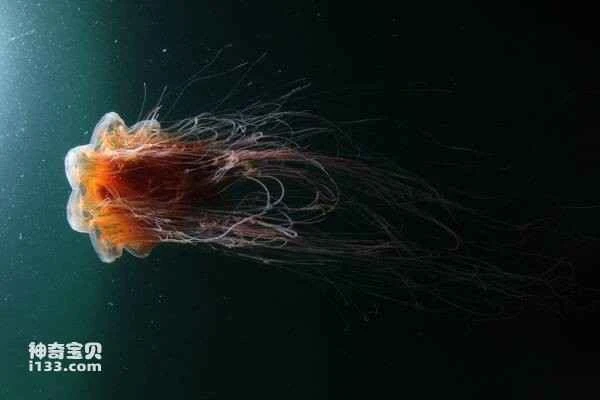
The Arctic lion's mane jellyfish is mainly distributed in rare areas of the Arctic Ocean, rarely visited by humans. Contact with this jellyfish can be life-threatening if treatment is not received within a few hours. For this particular jellyfish, once touched, life is difficult to save without prompt medical attention within a few hours.
8. Hairy jellyfish
Lion's mane jellyfish, also known as the hairy jellyfish, is one of the largest and most venomous jellyfish in the world. This jellyfish is mainly found in colder waters. Once stung by a lion's mane jellyfish, its toxins quickly enter the body, causing paralysis and even death. In its natural habitat, the lion's mane jellyfish typically has a reddish-brown or pale yellow body color.
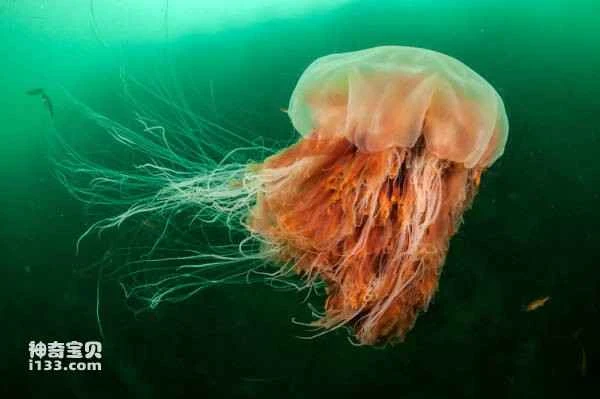
Lion's mane jellyfish exhibit a variety of morphological characteristics, including the features of its marginal lobes, the number of tentacles, and the number of circular and radial muscle bundles. These characteristics vary considerably, often leading many scholars to mistakenly identify it as several different varieties.
9. Sand Jellyfish
Jellyfish are a type of jellyfish, and the sand jellyfish is one of them, widely distributed in the coastal waters of my country. Adult sand jellyfish have a bell diameter between 25 and 60 centimeters, with the largest individuals reaching nearly 1 meter. The outer bell surface is smooth, while the inner gelatinous layer is thick and hard.

The sand jellyfish not only has high economic value—its umbrella part can be eaten raw or processed into jellyfish skin, and its oral arms can be made into jellyfish heads—but it is important to note that the stinging cells of this jellyfish contain potent venom. If a person is stung, symptoms such as redness, swelling, pain, and itching may occur, and in severe cases, it can lead to shock or even death.
10. Sea nettle jellyfish
Nettle jellyfish are commonly found in the Chesapeake Bay area off the east coast of the United States. They feed on plankton and crabs, and also prey on other jellyfish. These jellyfish are venomous, releasing venom through stinging cells on their bodies to paralyze passing small fish and other creatures in order to capture their prey. While a nettle jellyfish sting can cause severe pain in humans, fortunately, it rarely poses a fatal threat.
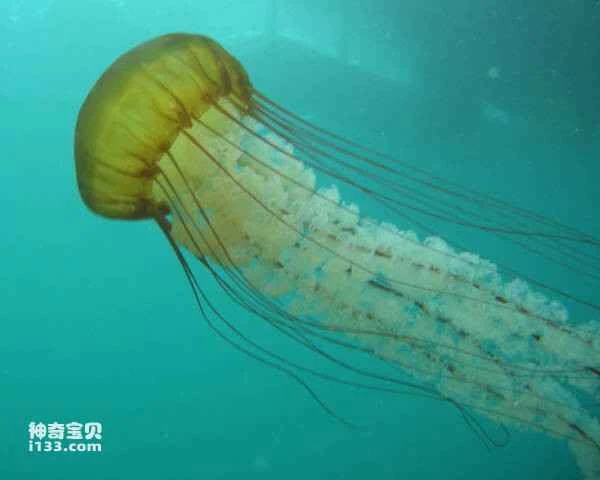
Although sea nettle jellyfish are highly venomous, they primarily prey on other animals, posing a relatively low risk to humans.
The list of the world's ten most venomous jellyfish is primarily based on a compilation from various relevant websites. The list considers factors such as the jellyfish's toxicity, the degree of harm to humans, and the known number of deaths to rank these dangerous jellyfish. However, it should be noted that this list is for reference only, and the actual ranking may vary slightly depending on different research and data sources.
If you have any questions, criticisms, or corrections regarding this ranking list, please leave your comments at the end of the article. The data on these potentially dangerous jellyfish species may be updated and revised as further research and understanding deepen. Therefore, we need to continuously monitor relevant information and ensure an accurate understanding of these dangerous jellyfish. Thank you for your attention and discussion on this topic.