The ocean has been shrouded in mystery since ancient times. It is not only the cradle of life but also a breeding ground for many little-known and amazing deep-sea creatures. These strange creatures live in the deep sea, areas inaccessible to humans, and their unique appearance and lifestyle are breathtaking.
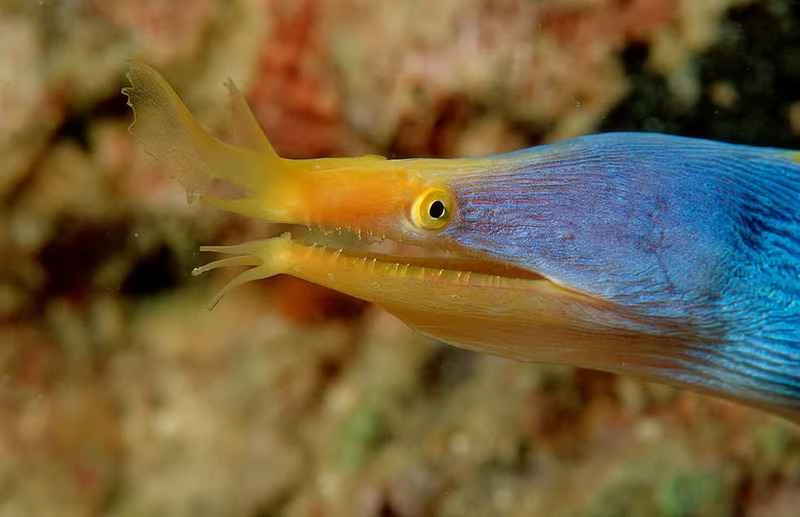
Leaf-nosed conger eel
Today, we'll take you on a tour of the world's ten most mysterious marine creatures: Pompeii worms, sea spiders, comb jelly, barreleye fish, glass squid, harp sponges, scaly-foot snails, willow eels, Bobbit worms, blobfish, and pink longhand fish. These mysterious creatures not only have unique appearances but also play indispensable roles in their respective deep-sea ecosystems.
1. Pompeii beetle
Pompeii worms, also known as bristle worms, are peculiar creatures that live near hydrothermal vents in the deep sea, measuring about 10 to 15 centimeters in length. They are renowned for their astonishing heat tolerance, considered the second most heat-resistant animal on Earth. Their preferred habitat temperature reaches 70°C, but their survival abilities extend far beyond that.
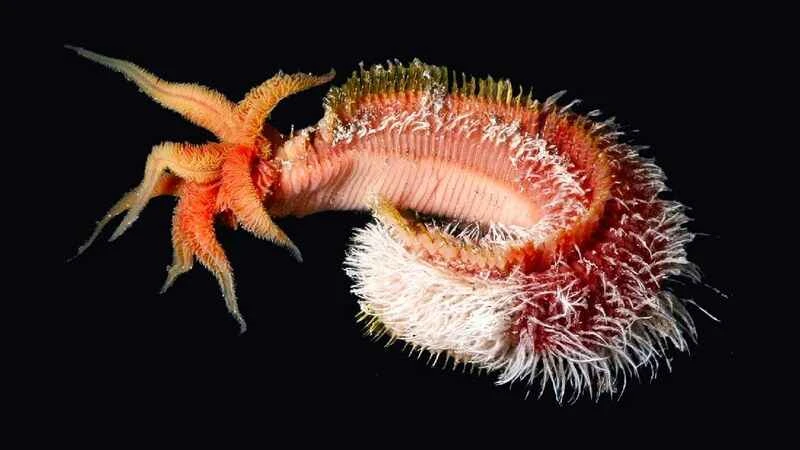
The Pompeii worm's adaptability is truly remarkable. It can withstand temperatures as high as 81°C and even immerse its tail in near-boiling hydrothermal vents while its head moves freely in relatively cooler areas, completely unaffected. This astonishing temperature difference does not hinder its survival. Even when foraging, it can leave the high-temperature vent area and venture into water as cold as 10°C, demonstrating its remarkable ability to cope with such extreme temperature variations, making it a true "temperature-resistant king" of the deep sea.
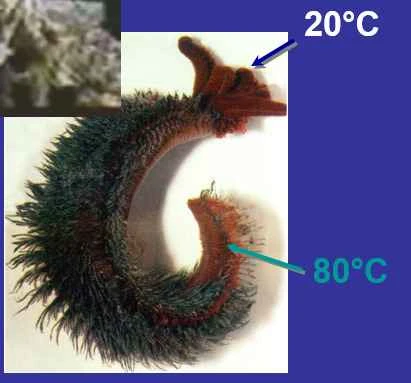
In contrast, sand ants, once considered the most heat-resistant animals, living in the Sahara Desert, can only forage briefly in environments of around 55°C. The discovery of the Pompeii beetle has completely overturned our understanding of the limits of heat tolerance in animals.
2. Sea spider
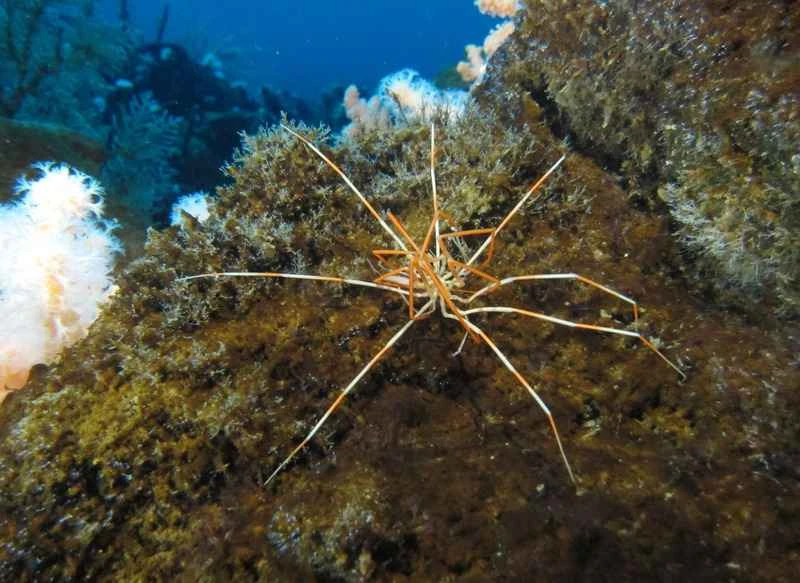
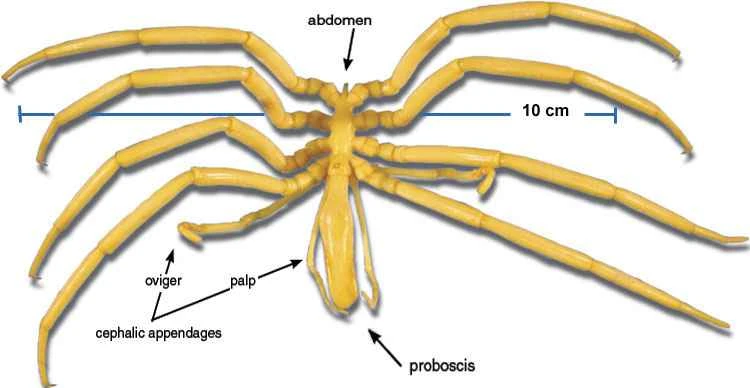
Sea spiders, also known as amphipods, are marine arthropods that closely resemble spiders in appearance. They have long, thin legs and extremely small bodies, making them look like a "skinny" harmless spider, hence the name "sea spider".
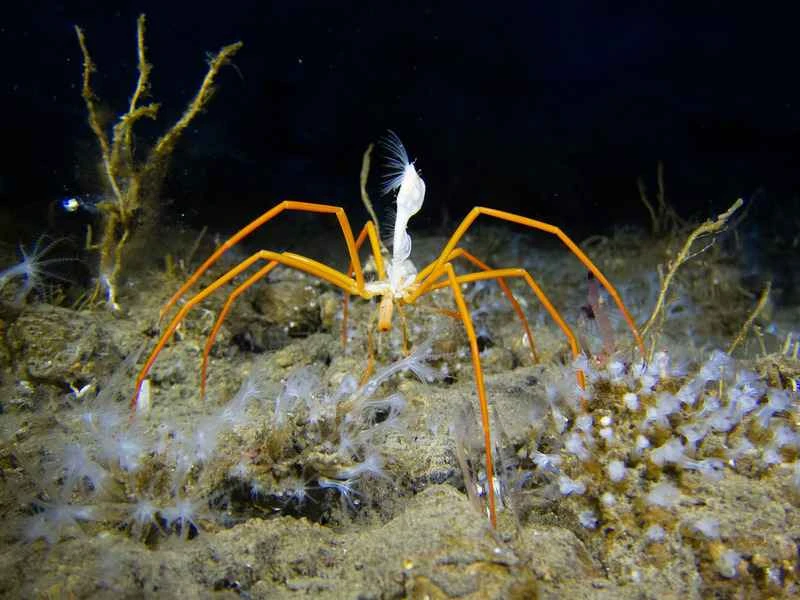
The most surprising feature of this creature is that it lacks a traditional respiratory system or a complete digestive system. It exchanges gases through a keratinized layer on its body surface and uses the movement of its limbs to propel bodily fluids, indirectly performing a blood circulation function similar to that of a heart. One could say it's more like a life form composed of several hollow "straws," with an extremely primitive structure.
A remarkably well-preserved fossil of an ancient sea spider has been discovered in Herefordshire, England, by paleontologist Derek Siveter and his team at the University of Oxford. This discovery confirms that sea spiders existed in the ocean as early as the Paleozoic Era, approximately 450 million years ago.
3. Comb jellyfish
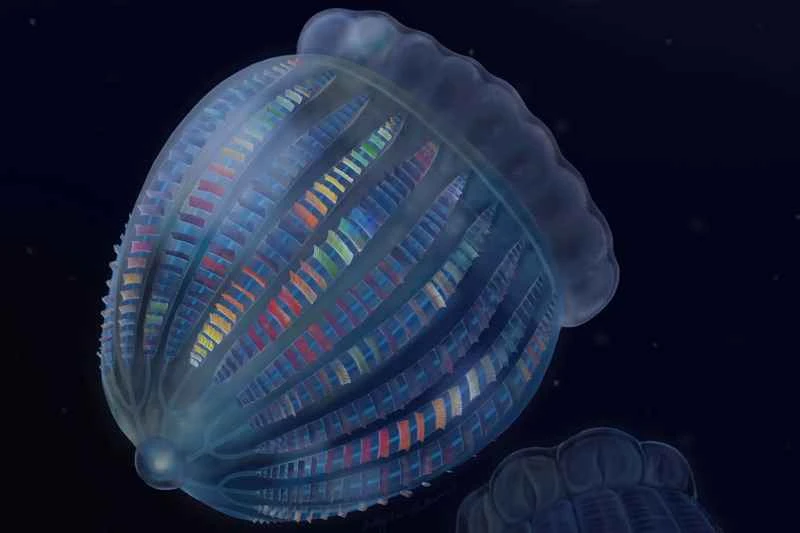
Comb jellyfish are a type of marine invertebrate that resembles jellyfish in appearance, but they do not actually belong to the jellyfish family. This biological structure is very primitive and is believed to be related to the earliest multicellular organisms on Earth, making it an important "living fossil" for studying the evolution of life.
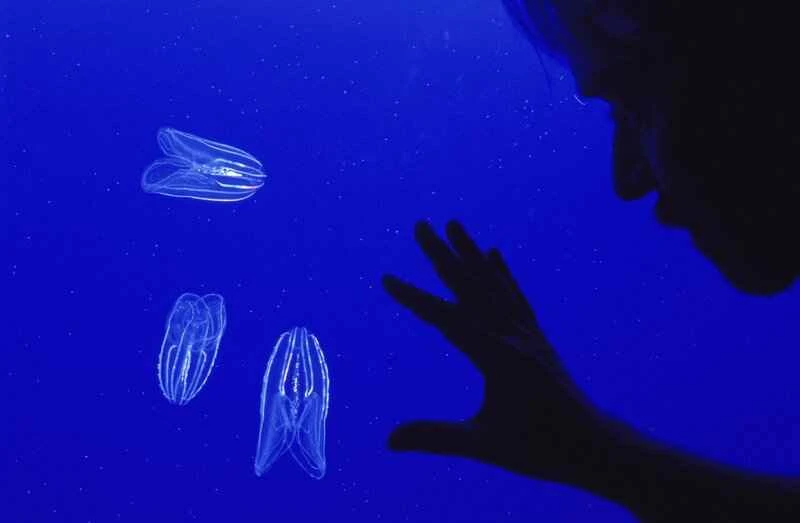
Comb jellyfish get their name from the rows of comb-like "plastras" that line their sides, which are covered with fine hairs. When these hairs move, they not only propel the jellyfish slowly through the water, but also create rainbow-like bands of light under illumination, swaying gracefully and beautifully.
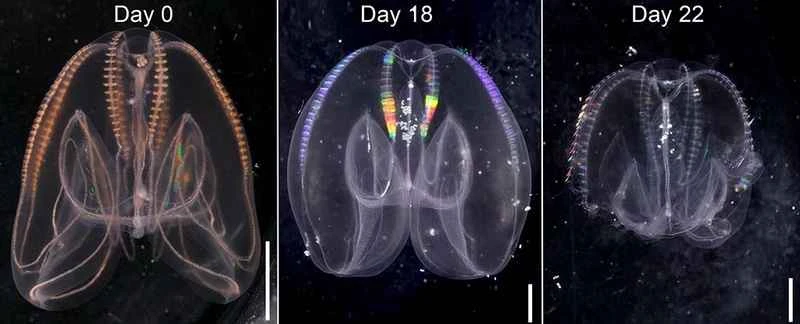
As comb jellyfish swim freely through the ocean, they release a faint blue fluorescence, making them resemble "shimmering water spheres" in the sea, creating a striking visual impact. Although they are voracious by nature, and the main purpose of waving their cilia is to ingest more plankton, their dreamlike bioluminescence adds a touch of mystery and romance to the deep ocean.
4. Barreleye Fish
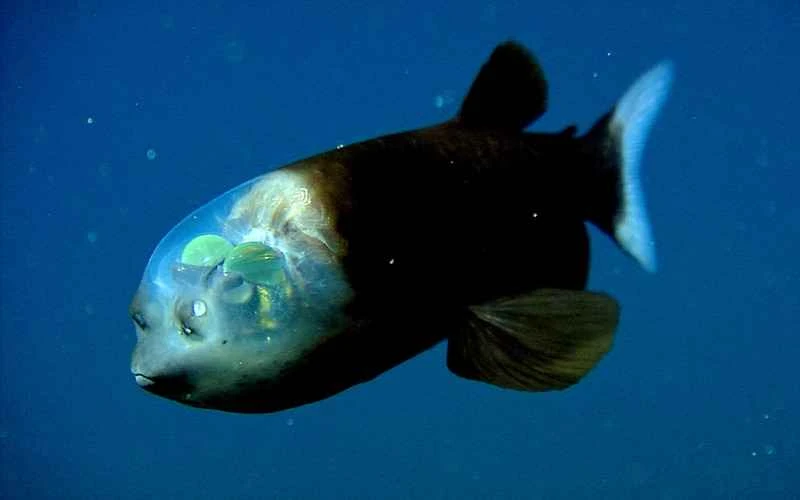
The barreleye is a unique deep-sea fish, first recorded by humans in 1939. Because they live in extremely deep waters, their bodies are easily damaged when brought into shallower areas, resulting in a long period of limited understanding of them. This makes them one of the most mysterious creatures in the deep sea.
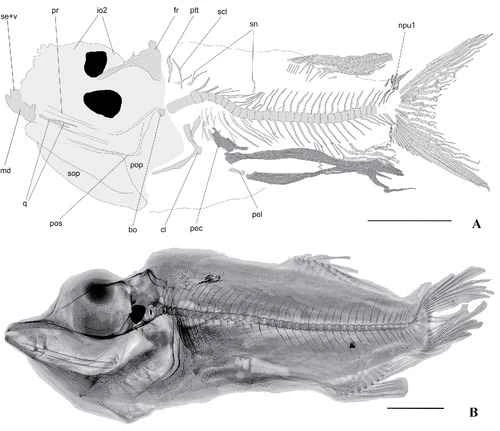
The most striking feature of the barreleye fish is its transparent, liquid-filled head. Its true eyes are located inside a green, cylindrical structure that can rotate freely and possesses exceptional visual capabilities. Many people mistakenly believe the circular area in front of its head is its eye; in fact, that's just its nostrils. The green, barrel-shaped structure hidden within its "crystal head" is its real eye.
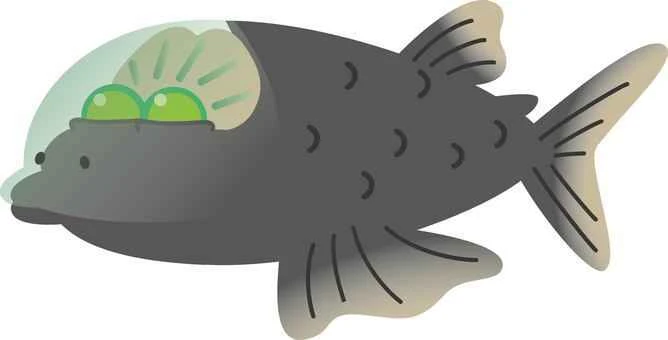
They often lurk beneath siphonophores, relying on their precise eyesight to spot their prey. When they spot a jellyfish capturing food, the barreleye fish darts upwards, seizing the opportunity to "snatch" the food from the jellyfish's tentacles. At this moment, its eyes turn upwards, and its body adjusts to a vertical position. Once the snatching is over, it resumes horizontal swimming, while its eyes continue to point upwards, as if conducting a methodical "cruise" search in the water.
5. Glass squid
The glass squid is a deep-sea creature that lives near the Mid-Atlantic Ridge. It gets its name from its almost completely transparent body, resembling a ghost floating in the water. Its body structure is extremely unique, giving it a variety of special survival skills.
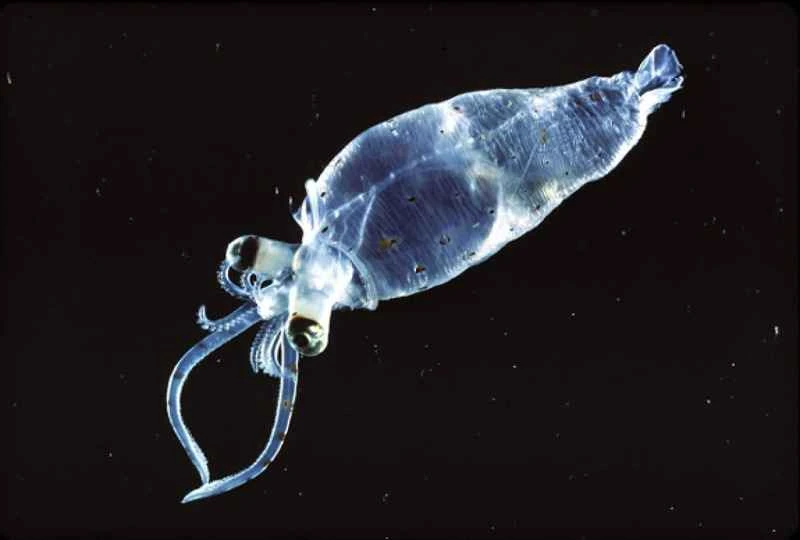
The glass squid has a rounded head with its mouth located around the top of its head. It has more than ten tentacles distributed on its body, and its eyes are located on both sides of its head. These eyes not only have excellent visual function, but also the ability to smell—this is because its eyes are surrounded by olfactory glands, allowing it to "see" and "smell" at the same time, making it a true multi-sensory creature in the deep sea.
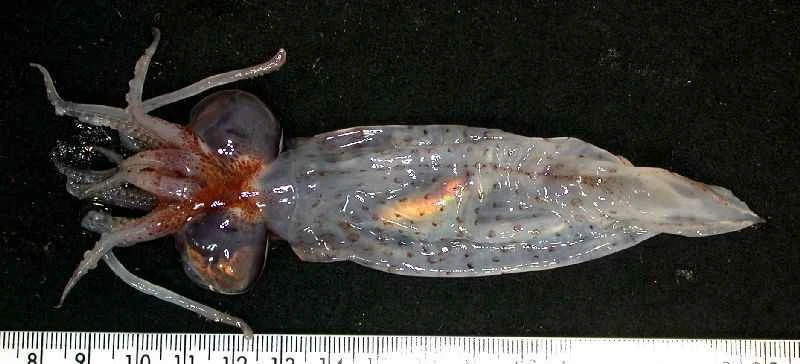
In addition, glass squid have light-emitting organs on the top of their heads, which can emit a faint light in the dark deep-sea environment, serving both as a means of communication and as an aid in concealment. Most surprisingly, they possess the ability to "curl up in defense": when threatened, glass squid can curl themselves into a ball like a hedgehog, forming a defensive posture.
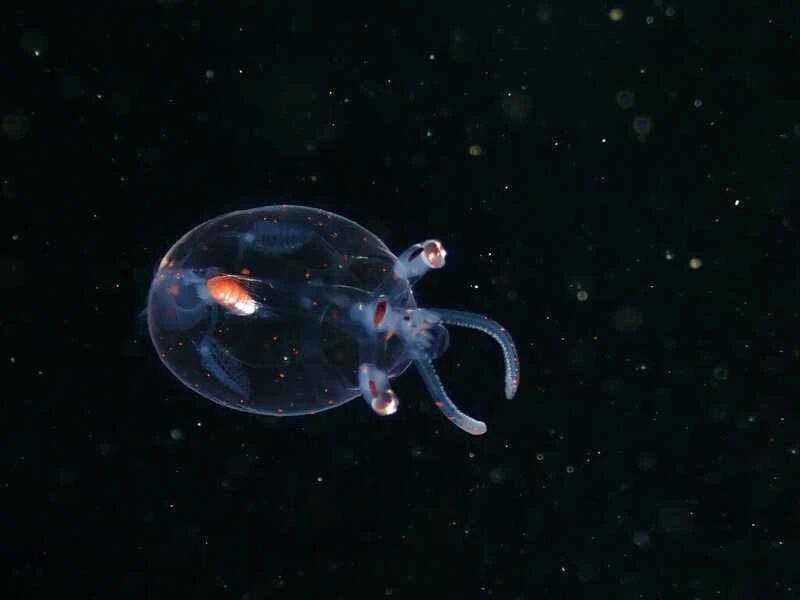
Their backs also have pigment cells that can regulate their body color, helping them to camouflage themselves in complex marine environments, both to avoid being detected by predators and to make it easier to approach prey.
6. Harp Sponge
The harp sponge is a rare deep-sea creature that inhabits depths of approximately 3,300 to 3,500 meters below the coast of California. First discovered by researchers at the Monterey Bay Aquarium Research Institute, it is named for its harp-like shape. Unlike typical filter-feeding sponges, this sponge is one of the few species that exhibits carnivorous characteristics.

The harp sponge has a branching, limb-like structure, and its surface is covered with barbed spines that effectively capture passing microscopic crustaceans. Once the prey is hooked, the harp sponge extends extremely thin cellular tissue to envelop it and slowly breaks it down and digests it, absorbing the nutrients within.
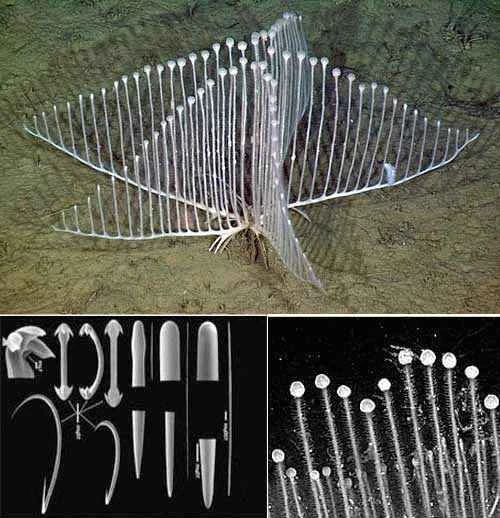
Generally, sponges primarily survive by filtering organic matter and microorganisms from seawater. However, in the past 20 years, scientists have discovered some "unconventional" carnivorous sponges. The harp sponge is a prime example. To adapt to the extreme environment of the deep sea where food is scarce, it has evolved predatory behavior, making it a unique entity in the deep-sea ecosystem.
7. Scaled-footed snail
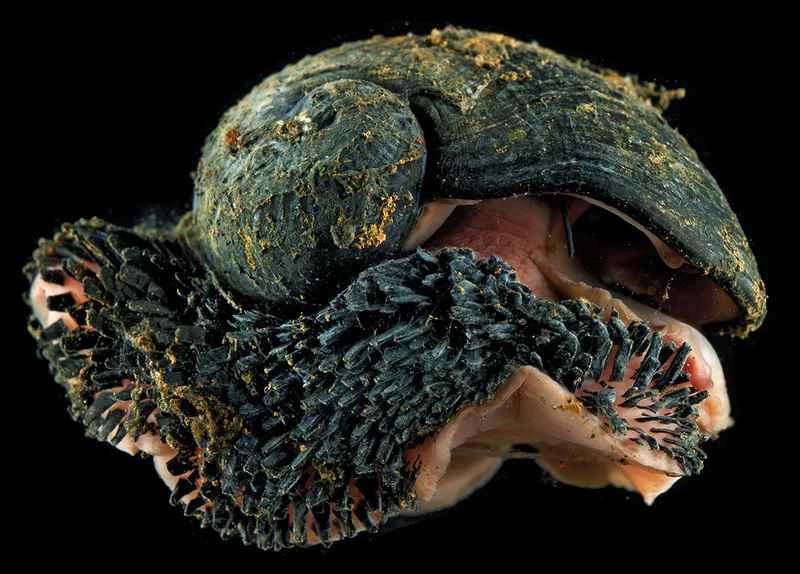
The scaly-foot snail is a rare deep-sea mollusc that primarily inhabits extreme environments near hydrothermal vents in the Indian Ocean. This snail has attracted considerable attention from the scientific community due to its unique "metallic armor." Its foot is covered with iron-rich scales, and its shell consists of three layers of iron sulfides, giving it natural magnetism.
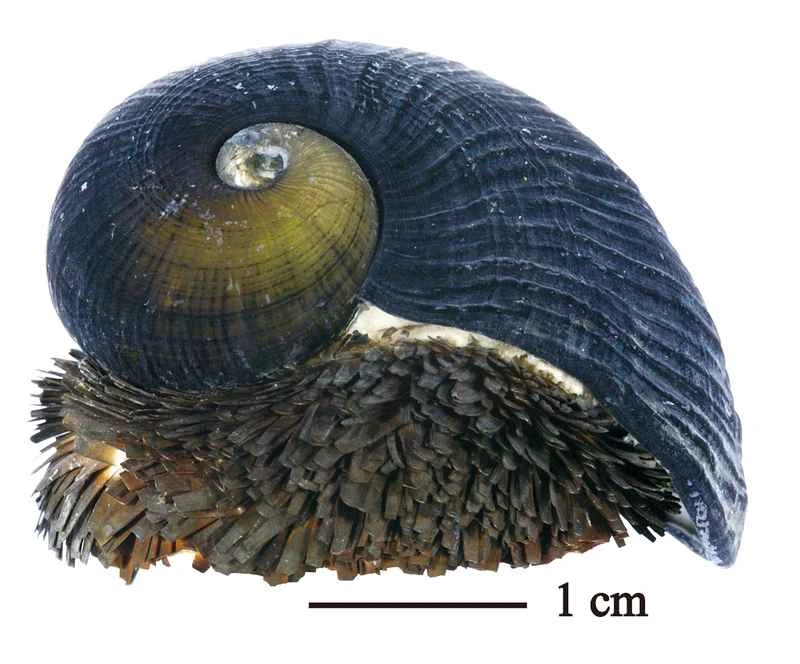
The scaly-foot snail has two long, smooth tentacles on its head, but it lacks visual organs and specialized mating structures. Its foot is a bright red color, relatively large, and cannot even be fully retracted into its shell. Most strikingly, its layered, metallic shell originates from abundant minerals ejected from underwater vents, making it the only known animal in the world with a metallic shell.
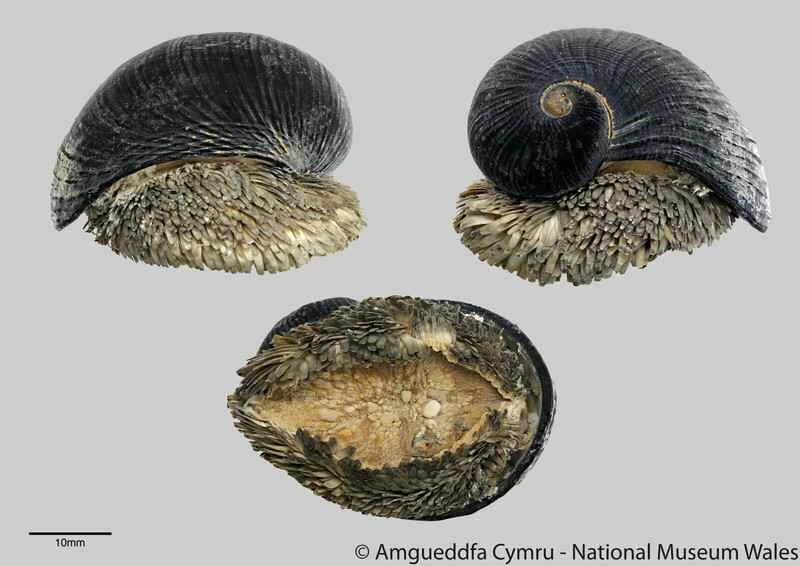
This metallic structure not only allows it to survive in harsh environments with high temperature, high pressure, and low oxygen, but also effectively resists attacks from deep-sea predators.
8. Willow leaf eel
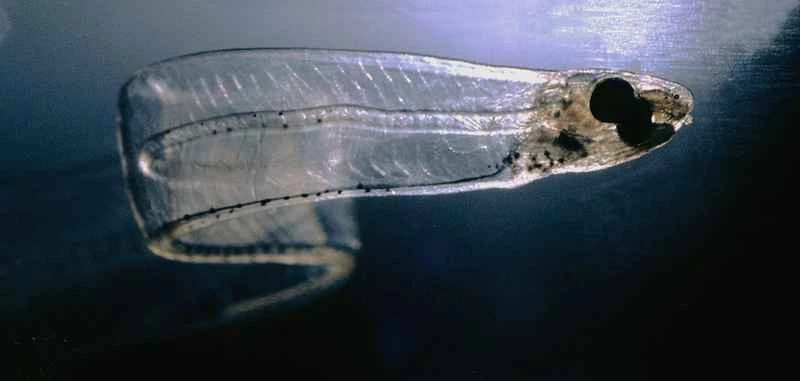
The willow leaf eel is a special stage in the development of eels and other fish. Its shape is flat and transparent, resembling a light, floating willow leaf in the water. Its most striking feature is not its thin body, but its almost completely transparent appearance. In the ocean, it is easily overlooked without careful observation, seemingly blending seamlessly into the water.
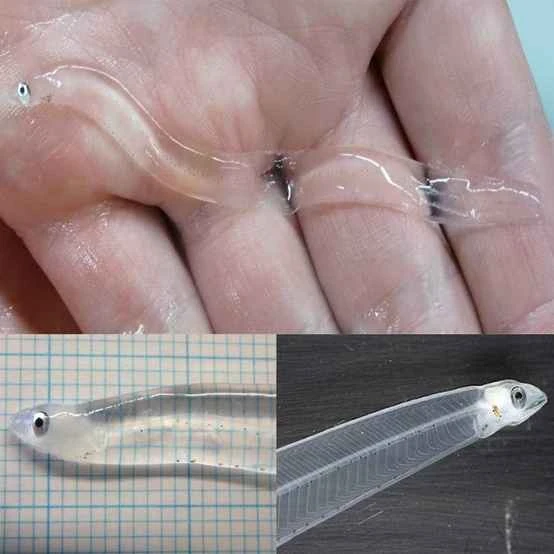
In fact, the "willow eel" is not a separate species, but rather a stage in the early development of eels. As they grow into juvenile or adult eels, their bodies gradually change from transparent to the silvery-white color common in deep-sea fish, their eyes become more prominent, and their pectoral fins widen. Interestingly, unlike most animals whose sex is determined at birth, the sex of willow eels is not fixed during the embryonic stage, but is determined by the influence of their living environment.
9. Bobbit worm
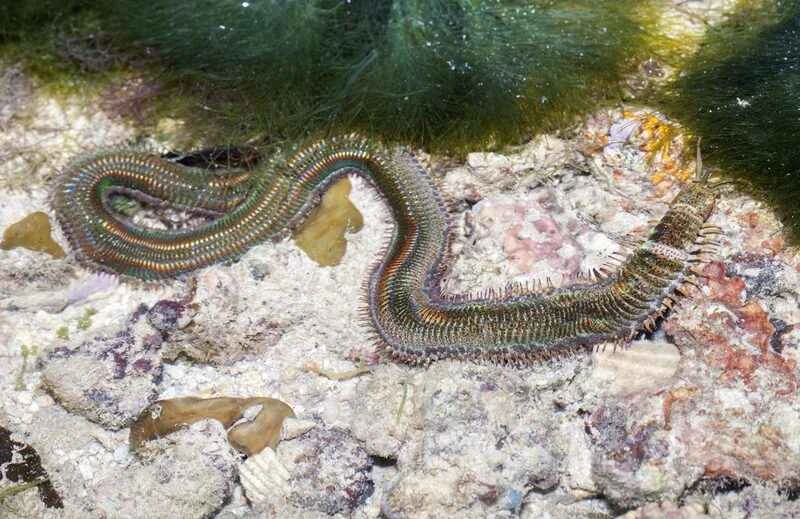
The Bobbit worm, a name first coined by an underwater photographer over 20 years ago, is a bizarre-looking marine creature widely distributed in warm waters around the world, renowned for its astonishing size and hunting methods.
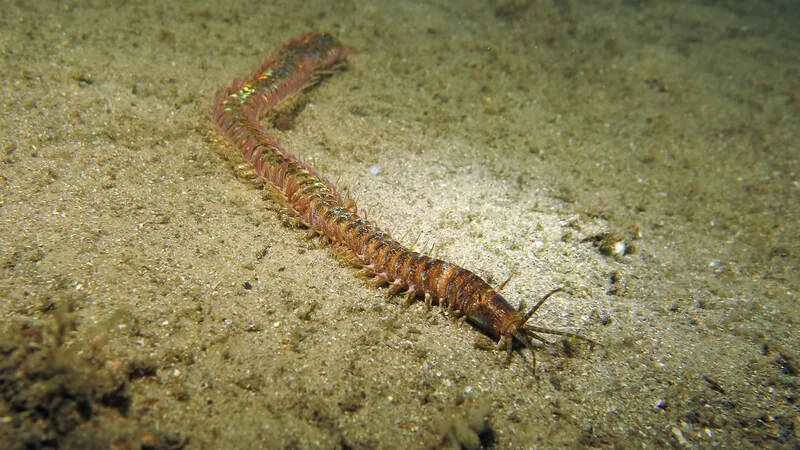
Bobbit worms belong to the class Polychaeta and are among the longest known members of the class. Their unique characteristics were noted by oceanographers as early as the 19th century. Polychaeta typically inhabit the ocean and possess highly flexible bodies composed of multiple repeating segments.
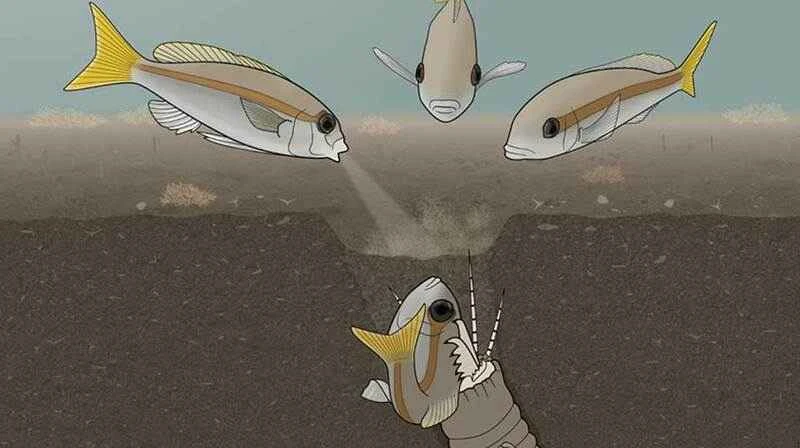
This creature can reach an average length of about 1 meter, but in extreme cases, it can reach an astonishing 3 meters in length, making it a true "ambush hunter" in the deep sea.
10. Blobfish
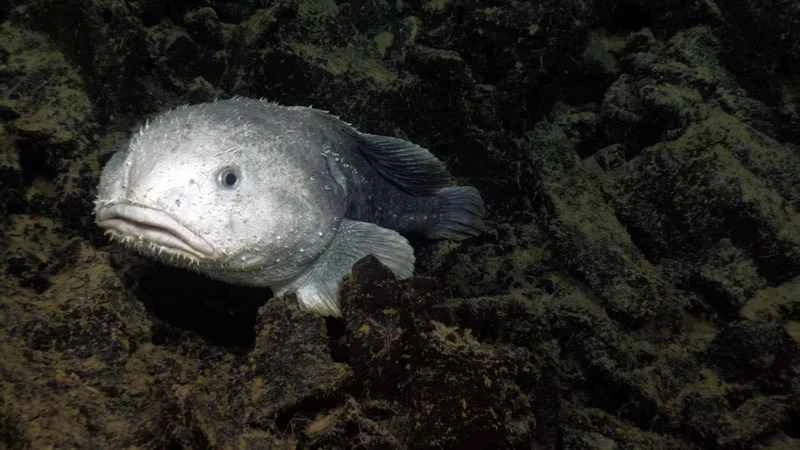
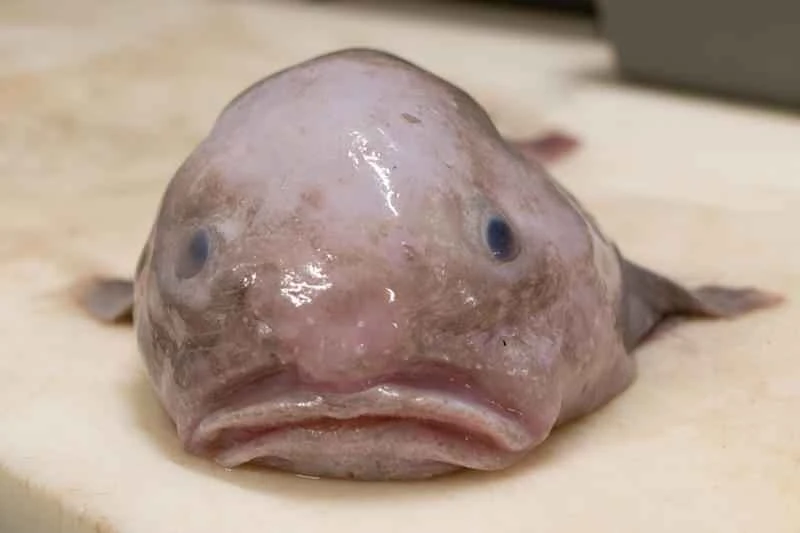
The blobfish, also known as the "melancholy fish," "bobo fish," or soft-spined sculpin, is hailed as "the world's saddest fish" due to its naturally droopy, "bitter gourd-like" face. Belonging to the family Cryptosporidae, it is a uniquely shaped and highly talked-about deep-sea fish.
These fish have soft, gelatinous bodies and can reach a maximum length of about 30 centimeters. They lack a swim bladder and therefore cannot regulate buoyancy like most fish, instead relying on their gelatinous body structure to float in the deep sea. Blobfish are mainly distributed in the waters near Australia and Tasmania, living at depths of up to 1200 meters.
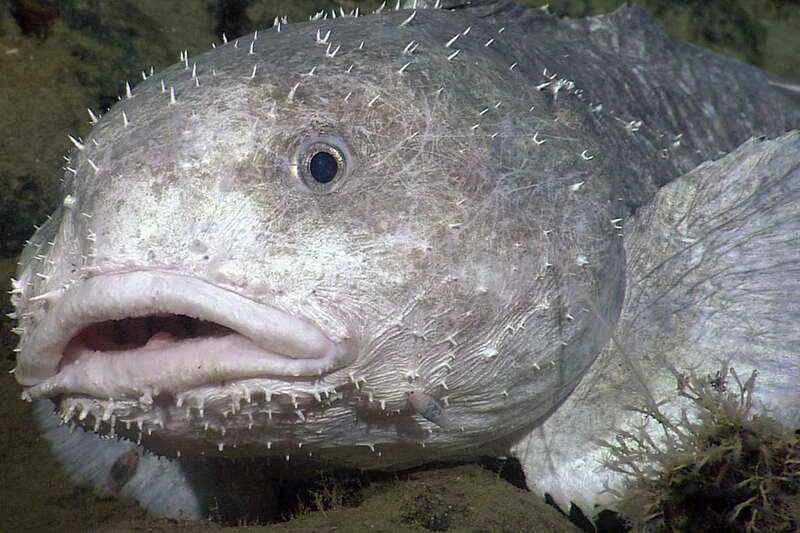
Because they live in the deep sea, far from human activity areas, they are rarely seen by humans in their natural state, and only occasionally appear during deep-sea fishing or scientific research.
The list of the world's ten most mysterious marine animals was compiled based on a selection of lesser-known marine creatures with unique abilities, and also referenced relevant online rankings/lists. This list is for reference only and aims to help you understand the mysterious creatures of the ocean. If you have any questions, please feel free to comment/criticize at the end.