In the wild, the struggle for survival is a never-ending battle. Every organism constantly strives to find a way to perpetuate its life. Within this struggle, the relationship between predators and prey is more than just a bloody hunt; their subtle interactions are a crucial mechanism for maintaining the balance of the ecosystem. This article will delve into the definitions, characteristics, and typical examples of predators and prey, helping readers better understand the dynamic balance of nature.
What are predators and prey?
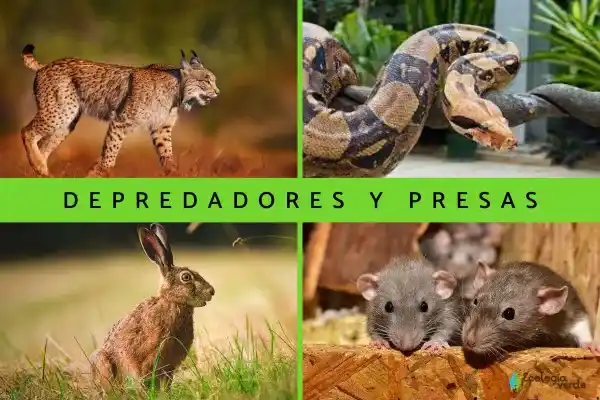
Predators are organisms that obtain energy by hunting and consuming other organisms (i.e., prey). This transfer of energy plays a crucial role in the food chain. Predation can manifest as completely consuming the prey or taking only a part of its body, but it usually causes fatal or serious injury to the prey.
Prey are the creatures that become prey. They typically develop various strategies to avoid being caught, such as camouflage, rapid escape, and toxin defense.
It is worth noting that predation is not limited to interactions between animals. For example:
Herbivorous behavior : Animals eating plants is also a form of "predation".
Insectivorous plants , such as pitcher plants and Venus flytraps, can actively "prey" on insects.
Parasitic behavior : such as parasites living on a host for a long time to absorb nutrients, can also be regarded as a slow form of predation.
These different forms of predation together constitute the energy flow and interspecies network in the ecosystem.
Characteristics of predators
Predators typically possess highly adapted bodies and sensory abilities for hunting; the following are common characteristics:
Keen senses : such as a strong sense of smell, sight, and hearing, which can identify prey from a distance.
A robust physical structure : possessing sharp teeth or claws, powerful muscles, or highly venomous weapons, such as snake venom.
Camouflage and enticement mechanisms : Some predators (such as certain deep-sea fish or plants) possess bioluminescence or release fragrance to attract prey.
defensive features of prey
Prey are not helpless victims; they have developed a series of escape and self-protection mechanisms over a long period of evolution:
Camouflage and warning coloration : blending into the environment (like chameleons) or using bright colors to warn predators (like poison dart frogs).
Distributed field of vision : Many prey have their eyes located on the sides of their heads, allowing them to observe their surroundings over a wide angle.
Defensive structures : such as porcupine quills and crustaceans' hard shells.
Chemical defense : Some plants or animals contain chemicals that are unbearable for predators, such as capsaicin or venom.
In addition, the number of prey usually far exceeds the number of predators, which is one of the necessary conditions for maintaining ecological balance.
A classic example of predator and prey
1. Pythons and Vertebrates
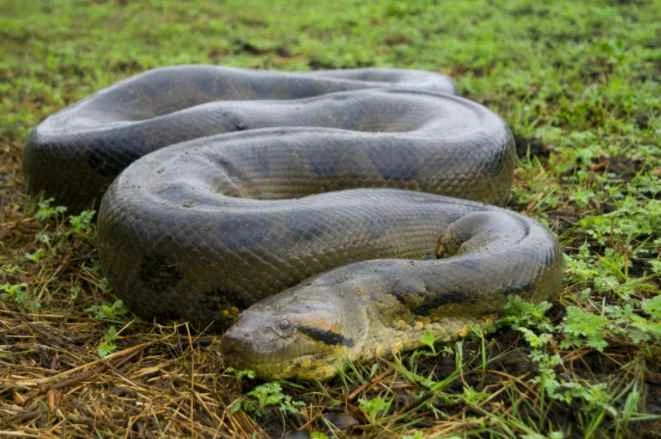
Pythons , such as the Burmese python native to Mexico, are powerful predators. They do not rely on venom, but instead use their strong bodies to constrict and suffocate their prey. They primarily hunt at night, using temperature-sensitive scales to sense the heat of their prey; therefore, bats are one of their common prey.

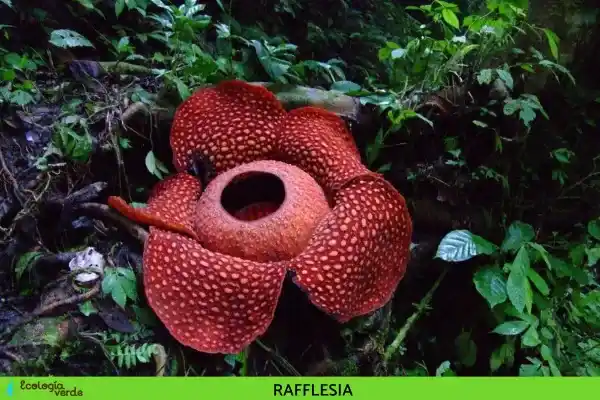
2. Rafflesia and flesh flies
Rafflesia is a peculiar parasitic plant with flowers that can reach 1 meter in diameter. It emits the odor of rotting flesh and generates a temperature similar to that of a corpse, attracting flesh flies to lay their eggs. These insects are trapped inside the flower and absorbed by the plant as nutrients. This plant cannot photosynthesize, thus acting as both a parasite and a predator.
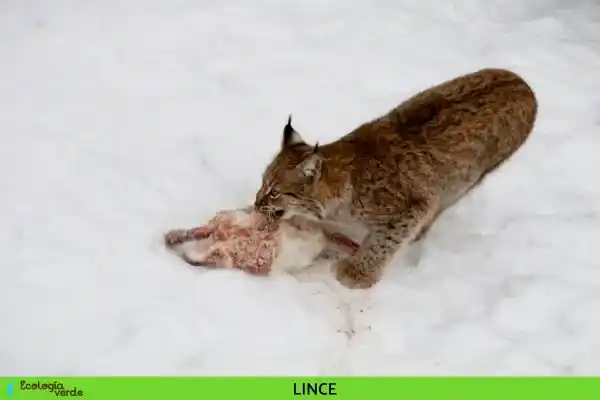
3. The Lynx and the Hare
In North America, the interaction between the Canadian lynx and the American hare is a classic predator-prey dynamics model. When the hare population increases, the lynx population also rises; when the hare population decreases due to overhunting, the lynx population declines due to food shortages, and then the hare population recovers, forming a cyclical pattern.
Examples of apex predators
Top predators occupy the top of the food chain, are not preyed upon by other animals, play a key role in maintaining the structure of the ecosystem, and are often an important indicator of ecological health.
1. Sperm whale (Physeter macrocephalus)
The largest toothed whale in the world, weighing up to 50 tons. Its diet includes giant squid and other deep-sea creatures. It uses echolocation to locate its prey and can emit powerful "sonic shocks" to stun them.
2. Jaguar (Panthera onca)
Distributed in the forests of Central and South America, they are adept at ambush prey. Their bite force is extremely strong, capable of penetrating the skull of their prey. Their diet includes deer, armadillos, crocodiles, and even cattle.
3. Golden Eagle (Aquila chrysaetos)
With a wingspan of up to 2 meters, it possesses extremely sharp eyesight, capable of spotting prey at an altitude of 3 kilometers. Its dive speed is incredibly fast, allowing it to instantly penetrate the lungs of its prey, making it extremely lethal.
Conclusion
The interaction between predators and prey is an indispensable mechanism for energy flow and population regulation in ecosystems. It not only promotes biodiversity but also reveals the complex and subtle relationships between species in nature. Understanding these relationships helps us to better understand and protect the ecological world we live in.
bibliography
Depredadores, M. (2008). Tops and waterfalls of predators on land in an environment. Available at: https://www.researchgate.net/publication/319532849_Depredadores_tope_y_cascadas_troficas_en_ambientes_terrestres
Rogers, K. (2011). The rise and fall of the Canadian lynx and snowshoe hare. Encyclopædia Britannica Blog. Available at: http://blogs.britannica.com/2011/06/rise-fall-canada-lynx-snowshoe-hare/