Megalosaurus was the first dinosaur discovered, but it lived during the Jurassic period. As early as 1677, an English clergyman described its scattered skeletons, but unfortunately, the clergyman did not know what kind of animal would have such large bones, so he called them the remains of a "giant".
It wasn't until 1824 that the British mineralogist Buckland named Megalosaurus based on the bones of some vertebrates. Megalosaurus was longer than two rhinoceroses, its massive mouth filled with large, sharp teeth, each tooth the size of the entire jaw of a small mammal of that time. Megalosaurus's teeth were curved and hooked, with serrated edges, like a serrated dagger. Moreover, its tooth roots were deep within the jawbone, ensuring that even in the fiercest biting struggles, its teeth wouldn't loosen. The gentle, herbivorous dinosaurs were no match for the hungry Megalosaurus.
Besides its terrifyingly large mouth, the Megalodon possessed even more formidable weapons on its hands and feet—long, sharp claws. Both its fore and hind limbs were covered in claws, which could easily tear through the tough skin of its prey and shred the flesh beneath, demonstrating its ferocity.
Although the Megalosaurus was somewhat bulky and not very agile, it was strong and powerful, and relentlessly pursued its prey. This carnivorous dinosaur roamed vast areas of North America, Europe, Asia, and Africa, typically hunting in small groups for food, and was a fearsome large carnivorous dinosaur.
A Megalodon fossil was discovered in 1818 in a quarry in Oxfordshire, England, and since then, more than 25 dinosaurs have been named Megalodon. In fact, this name has been given to many theropod dinosaurs whose identities cannot be clearly identified.
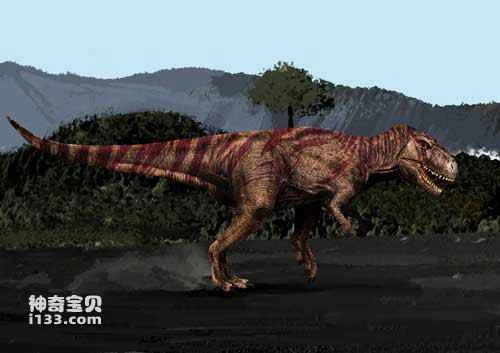
Chinese name: Megalosaurus
Latin name: Megalosurus
Age of existence: Middle Jurassic
Fossil sites: Europe, East Africa, Australia, India, China
Physical characteristics: 9-10 meters in length
Diet: Carnivorous
Type: Theropod
Definition: A large lizard with huge teeth