In the animal kingdom, invertebrates are often a "misunderstood" group. Many people feel disgust or even fear towards them, unaware that these creatures actually make up 95% of all known animal species on Earth. From a broader perspective, the animal kingdom comprises approximately 35 phyla , of which, except for Chordata, the rest are invertebrates.
This article will systematically introduce the main characteristics, classification methods, and specific examples of invertebrates to help you better understand these numerous and diverse groups of organisms.
Recommended reading: [Vertebrates: Classification, Characteristics, and Examples]
Main characteristics of invertebrates
Invertebrates are extremely diverse, but they still share some common characteristics:
Lacking a spine and internal skeleton <br/>As the name suggests, invertebrates do not have a spine or notochord, nor do they have an internal skeleton like vertebrates.
Generally small in size <br/>Most invertebrates are small in size, but they usually have protective structures such as shells, armor, or exoskeletons.
Widely distributed <br/>Found in almost all habitats on Earth, from deep-sea hydrothermal vents to the frigid Antarctic surface, from soil to forests.
Comprising the majority of Earth's biodiversity , according to 2005 data, there are approximately 1.7 to 1.8 million known animal species globally, of which about 990,000 are invertebrates . This number continues to grow and be revised.
However, research on invertebrates has long been insufficient. The reason is:
They have complex shapes and are difficult to classify.
The economic and food value is relatively low (with some cultural exceptions).
Most individuals are tiny and hidden in distribution (such as in soil, sediment, or the seabed).
Classification of invertebrates
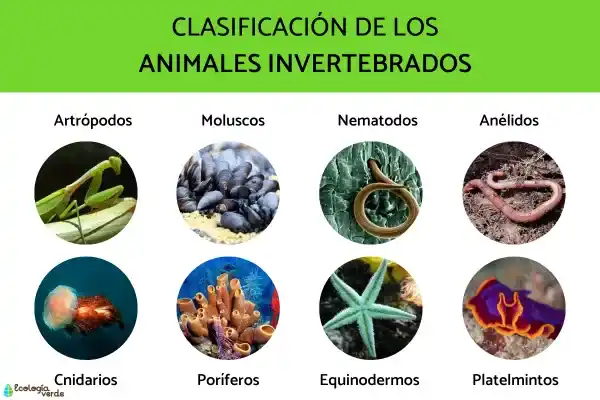
There are many phyla of invertebrates, about 34 , with arthropods accounting for the largest proportion, about 80% of all animals.
The following are the main taxa and representative species (number of known species in parentheses):
Phylum Arthropoda (>1,000,000 species) : Insects, spiders, crustaceans, millipedes.
Phylum Mollusca (100,000 species) : such as snails, clams, octopuses, and squid.
Nematoda (25,000 species) : includes nematodes and ascarids.
Phylum Platyhelminthes (20,000 species) : such as planarians and tapeworms.
Annelida (16,500 species) : such as earthworms and leeches.
Phylum Cnidaria (10,000 species) : such as jellyfish, corals, and sea urchins.
Phylum Porifera (9,000 species) : also known as sponges.
Phylum Echinodermata (7,000 species) : such as starfish and sea urchins.
Macroinvertebrados
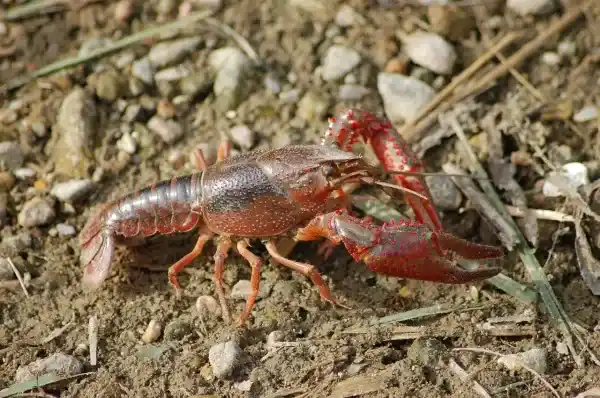
"Macro-invertebrates" generally refers to large invertebrates living in freshwater ecosystems , such as rivers, ponds, lakes, and wetlands:
Insects (mayflies, dragonfly nymphs, etc.)
Crustaceans (freshwater shrimp)
Mollusks (snails, clams)
Annelids (earthworms, leeches)
Their importance:
Ecological indicators : used to assess water quality and ecological health.
Food chain foundation : It is the food source for higher-level organisms such as fish and birds.
Material cycle : decomposing organic matter to maintain ecological balance.
Detailed introduction of each major group
1. Phylum Poríferos – Sponges
The most primitive and simplest animal.
They live sessilely on the seabed, their bodies covered with small pores, allowing food particles to be carried by the water flow.
Filter feeding is accomplished through coanocitos cells .
2. Phylum Cnidarios
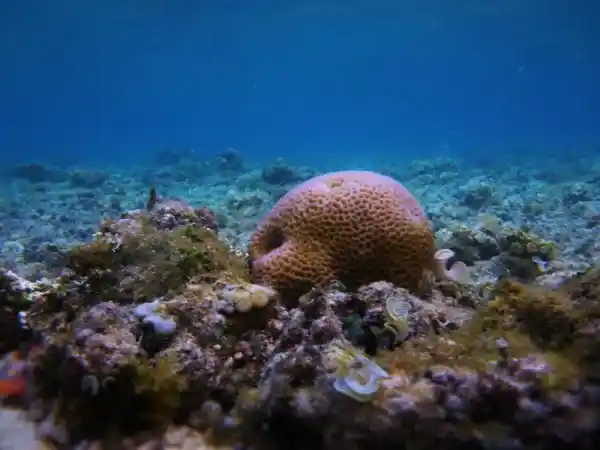
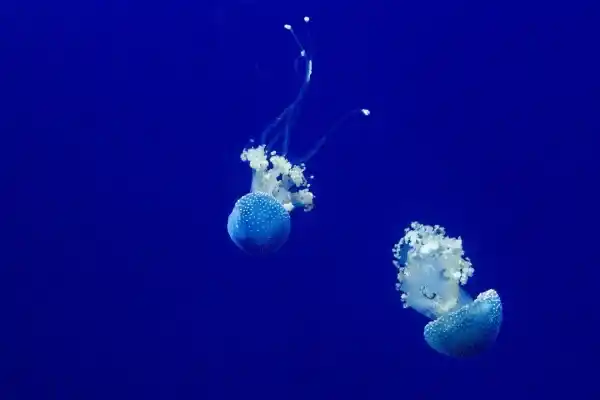
This includes jellyfish, corals, sea anemones, and hydras .
Its body is sac-like, with only one opening that serves both digestive and excretory functions.
The mouth is surrounded by tentacles covered with nematocysts , which are used for defense and predation.
3. Phylum Platyhelminthes
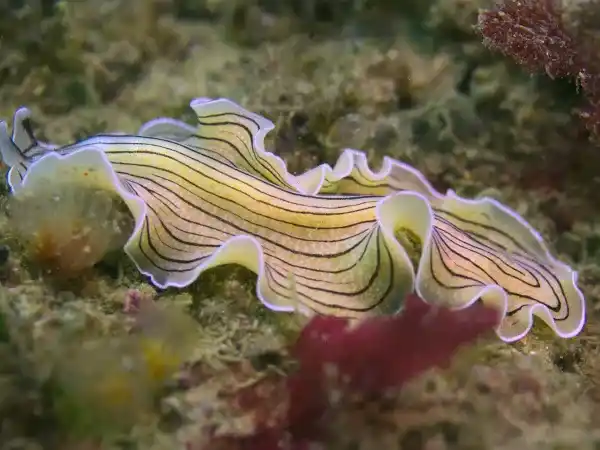
Commonly known as "flatworms", such as planarians, tapeworms, and flukes.
There are free-living types and parasitic types.
It possesses a rudimentary central nervous system capable of processing visual and sensory information.
The body is symmetrical on both sides and can be divided into left and right halves longitudinally.
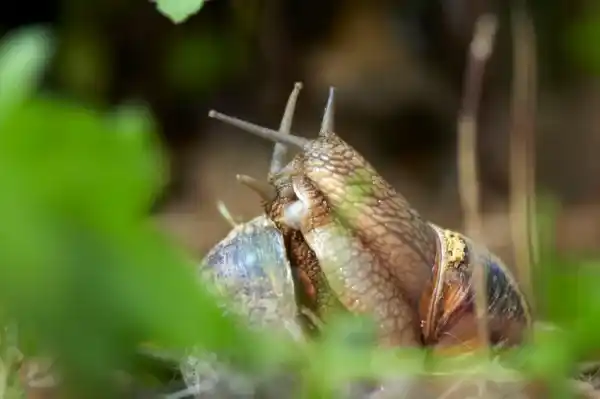
4. Phylum Molluscos
Its body is soft and it usually has a calcareous shell.
Typical structures: muscular foot, visceral mass, mantle, and shell.
Main groups:
Gastropods (75,000 species) : snails, limpets.
Bivalves (13,000 species) : clams, mussels, pearl oysters, and oysters.
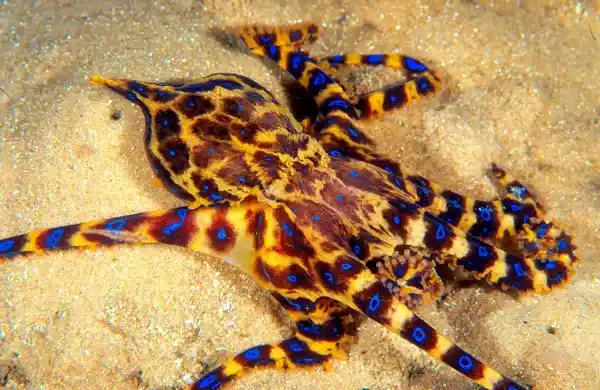
Cephalopods (800 species) : Octopus, squid, cuttlefish, nautilus.
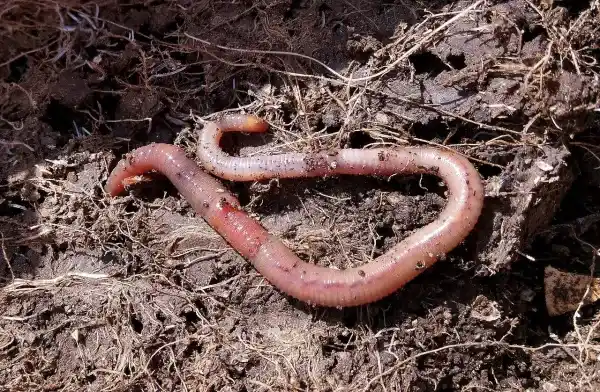
5. Phylum Annelidos
The body is cylindrical and segmented (like an earthworm).
Each segment has repetitive organs, exhibiting the phenomenon of segmental repetition (Metamería) .
The body secretes mucus to aid movement.
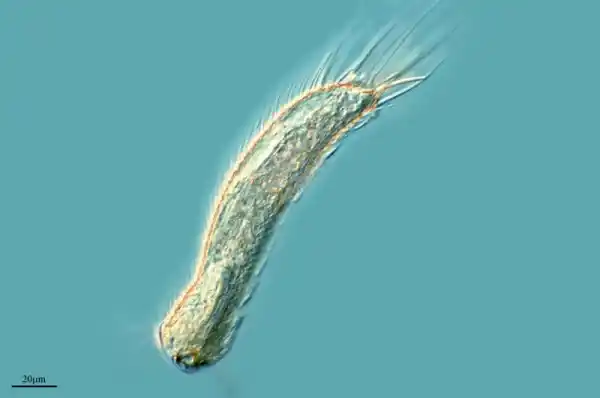
6. Phylum Nematodoes
Also known as "round worm", it is widely distributed in soil and water.
The body is unsegmented and has a complete internal coeloma .
It can be either a free-living type or a parasitic type.
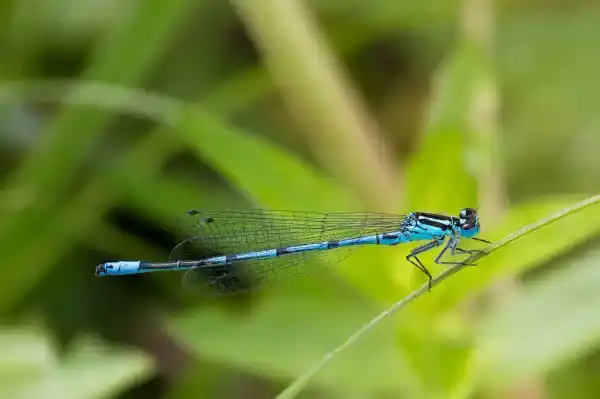
7. Phylum Arthropoda
The largest group, accounting for about 80% of all animals on Earth.
Common characteristics:
The exoskeleton is composed of chitin and grows by molting .
The body is segmented and has a variety of appendages (antennae, feet, mouthparts).
They often undergo abnormal development .
Main groups:
Insects : butterflies, beetles, ants, bees, dragonflies, etc.
Arachnida : spiders, scorpions, mites, ticks.
Crustacea : Crab, lobster, prawn, barnacle.
Myriapoda : centipedes, millipedes.
8. Phylum Equinodermos
Typical examples: starfish, sea urchin, sea cucumber .
It is radially symmetrical, without a vertebral column but with calcareous bony plates.
Unique structure: Ambulacral system , which uses water pressure to propel the tubular feet for movement and feeding.
It possesses amazing regenerative capabilities.

Summarize
Invertebrates are the largest and most diverse group of animals on Earth:
They have adapted to almost all ecological environments.
It plays a central role in the food chain, material cycle, and environmental monitoring .
From sponges to insects, from corals to jellyfish, they showcase the amazing creativity of nature.
Understanding invertebrates is key to understanding the Earth's biodiversity.