Spiders (scientific name: *Araneae*) are a group of arthropods widely distributed throughout the world, belonging to a specific group with unique anatomical structures and lifestyles. The following is a detailed introduction to spiders and their lifestyles:
1. Physical characteristics:
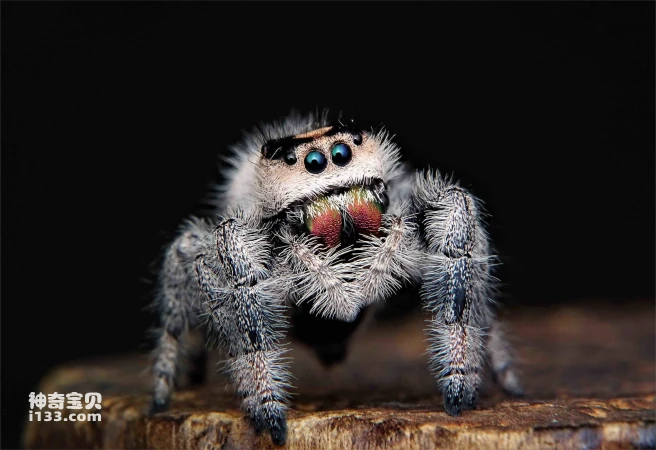
Body structure : Spiders typically have a body consisting of two main parts: the cephalothorax and the abdomen. Their heads have eight compound eyes and a pair of chelicerae, and their legs usually have eight or more slender legs.
Silk Structure : Spiders have glands that secrete silk, which is used for building webs, catching prey, and constructing nests. The types and uses of silk are diverse, including web building, hunting, mating, and excretion.
Exoskeleton : Spiders are arthropods whose bodies are encased in an exoskeleton and require molting to grow.
2. Living habits:
Diet : Spiders primarily feed on insects, catching prey through their webs. Some species will also actively hunt. Spiders will wrap their prey in silk, inject digestive juices, and then suck them up.
Reproductive behavior : Spiders reproduce in various ways. Some species attract mates through dance, while in others, the female lays eggs in a nest for protection. Some spiders are particularly sensitive to smell or touch, and male spiders must be careful not to become prey.
Habitat : Spiders live in a variety of environments, including grasslands, trees, bushes, deserts, and rocky mountains. They can find suitable habitats in each of these environments.
Sociality : Most spiders are solitary, with each spider typically building its own nest or web to hunt for food. Only a few spiders are social, such as some species that form large colonies.
3. Ecological role:
Ecological balance : Spiders play an important role in the ecosystem, controlling insect populations as carnivores and helping to maintain ecological balance.
Community relationships : Spiders have complex ecological relationships with other animals. They interact with prey, food, plants, etc., and form part of the food chain.
Spiders are among the most numerous and diverse arthropods on Earth, living in nature with unique habits and behaviors. Understanding the ecological role and habits of spiders helps us better understand natural ecosystems. If you need more information about spiders or other organisms, please feel free to let me know. I hope this information is helpful!