Parasites are various invertebrates that live by parasitizing other organisms . In many films and television shows, the harmonious coexistence of hosts and parasites, and even the resulting power imbalance, is captivating. However, reality is often filled with fear and cruelty. Many animals that encounter parasites ultimately die tragically. Here are ten parasites adept at manipulating their hosts: horsehair worms, Toxoplasma gondii, trematodes, scad, parasitic wasps, zombie fungi, ladybug wasps, mud wasps, acanthocephalans, and dracunculiae. These parasites demonstrate astonishing survival strategies and control over their hosts.
1. Horsehair worm

Viewers of the film *Deranged* were likely horrified by the parasites depicted. While real-life horsehair worms aren't as terrifying as portrayed in the movie, they are certainly unsettling. Horsehair worms primarily parasitize insects such as grasshoppers and mantises, gradually developing and controlling their hosts. To reproduce, they need to complete their life cycle in an aquatic environment. To achieve this, they produce a chemical that affects the host's nervous system, causing the host to move towards a light source. Because water reflects light, the host's movement towards the light source usually results in the worm eventually jumping into the water. The horsehair worm then burrows out of the host's body and seeks out its next victim—a truly chilling life cycle.
2. Toxoplasma gondii
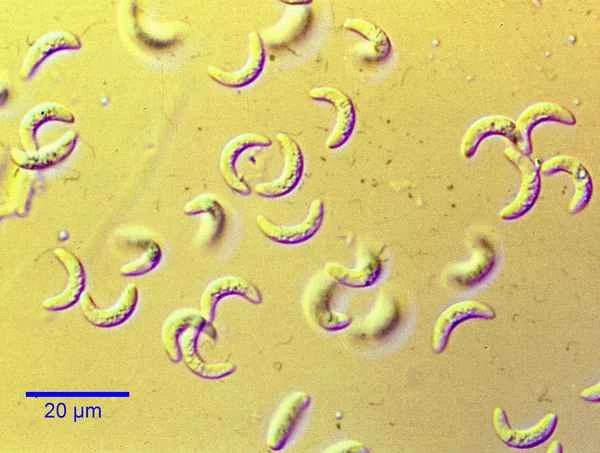
Toxoplasma gondii, also known as the three-corpse worm, is an intracellular parasite considered one of the most feared parasites because it can lurk around humans. Normally, Toxoplasma gondii parasitizes poultry and livestock, or is found in their feces. Once infecting a mouse, Toxoplasma gondii can control dendritic cells, moving freely inside the mouse and almost ignoring the immune system's attacks. It even has the ability to cross the blood-brain barrier, altering the mouse's dopamine secretion mechanism. This alteration causes the mouse to produce a dopamine reward response to risky behaviors, thus increasing its desire for risk-taking and reducing its fear of predators, making it easier for cats to catch. In this way, Toxoplasma gondii finds its final host, fulfilling its life cycle mission.
3. Double-disc fluke
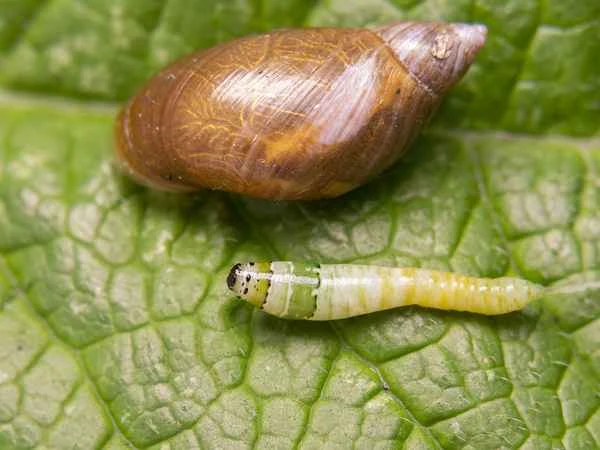
The two-disc trematode is a parasite with a stronger host manipulation ability than horsehair worms. Widely distributed in Europe, India, Taiwan, and other regions, it primarily parasitizes snails and birds, spreading through bird feces. This terrifying parasite invades the snail's eyestalk, creating an appearance resembling a constantly leaping caterpillar. It then manipulates the snail's brain, turning it into a veritable "zombie snail," ultimately becoming food for birds. Once ingested by a bird, the two-disc trematode multiplies in the bird's internal organs, and its eggs are excreted with the bird's feces, which then become food for other snails. Through this cruel and bizarre cycle, the two-disc trematode completes its terrifying life cycle.
4. Crab Slave
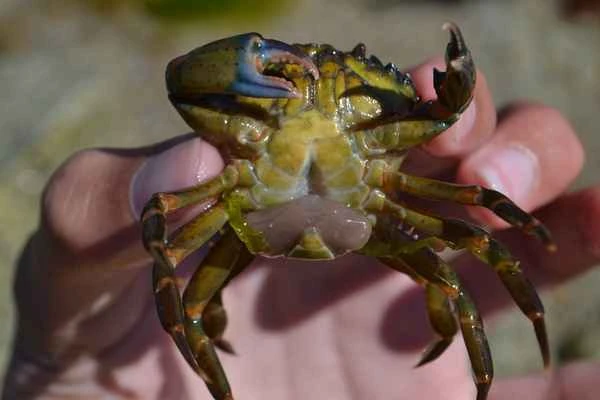
"Crab Slave" is a mysterious barnacle that parasitizes crabs and is considered one of the strangest creatures known to date. Adult female barnacles, belonging to the order Rhizocephalopoda, have twisted and deformed bodies, losing their shells, legs, and eyes, transforming into repulsive yellow roots and tangled filaments, much like black mold slowly growing inside a crab. Once the parasite grows to a certain size, the crab worm develops a pillow-shaped reproductive organ on the host crab's abdomen, awaiting the arrival of a male crab worm for mating and reproduction. Even more terrifying, if the host crab is male, the crab worm can "castrate" it, causing it to grow an abdomen resembling that of a female crab, turning it into a mindless surrogate mother.
5. Parasitic wasps
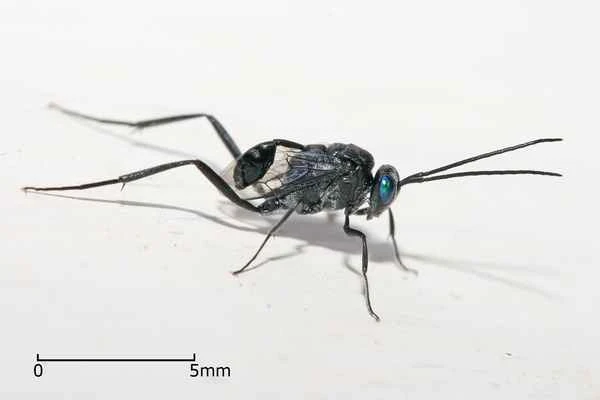
Parasitic wasps are the most common type of parasitic insect, possessing two pairs of thin, transparent wings. Their ovipositors are mostly not specialized into stingers, which they can use to inject eggs into the host.
Many parasitic wasps are beneficial insects, especially in agriculture. For example, some parasitic wasps specifically control pests such as stink bugs and locusts. Several other parasitic wasps parasitize pests that arise in modern cities due to squalor and unsanitary conditions, such as cockroaches and flies.
6. Zombie Fungus
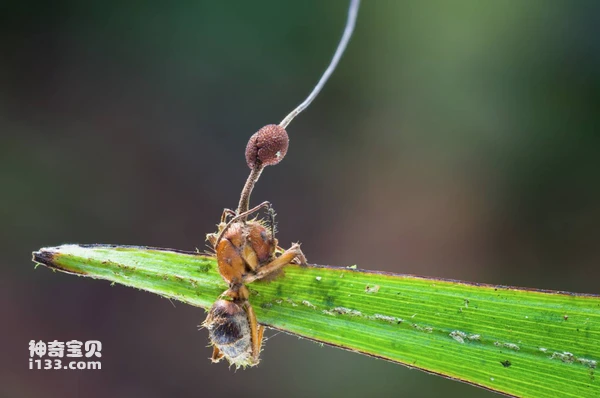
Zombie fungus is a type of fungus called *Ophiocordyceps unilateralis*, belonging to the fungal kingdom. Scientists discovered this fungus in the Brazilian rainforest. These fungi can infect ants, take over their brains, and exert "mind control." Once the ants are brought to the most suitable location for the fungus to grow and spread its spores, they are "forced" to commit suicide, ending their lives. Of course, ants are not the only victims of this "zombie" transformation; caterpillars are also among the tragic casualties. Once caterpillars are infected with a baculovirus, they are also manipulated, climbing to the treetops, waiting for their end without complaint.
7. Ladybug parasitic wasp
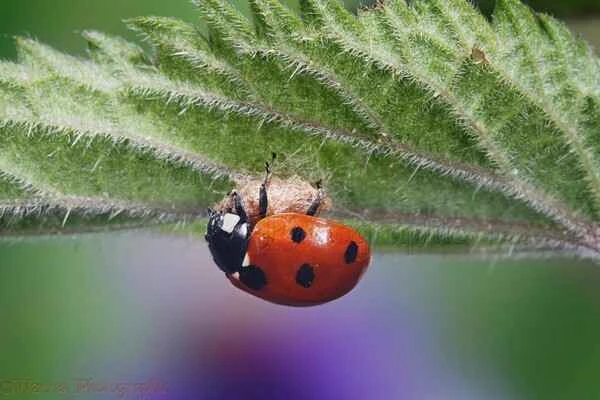
Ladybug wasps are parasitic wasps that typically target ladybugs by injecting an egg into their bodies. After the egg hatches, the larvae penetrate the ladybug's internal organs, open a hole in its lower abdomen, and finally spin a cocoon between the ladybug's legs. During this stage, the ladybug is manipulated into acting as a "bodyguard" for the cocoon, using its legs to flap and shake away any approaching predators. Sometimes, the ladybug remains vigilant until the larvae emerge from the cocoon; in other cases, the ladybug may be controlled for only a few days. Surprisingly, 30% to 40% of the parasitized ladybugs survive, and some even continue to reproduce.
8. Flat-headed mud wasp
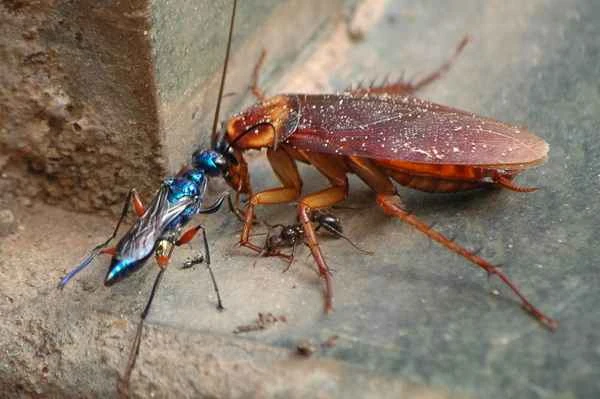
Compared to ladybug wasps, the flat-headed mud wasp is arguably far more terrifying. Dubbed the "Dementor of Nature," this tiny wasp can easily manipulate cockroaches far larger than itself. After mating, the female wasp swiftly captures the cockroach, first using her stinger to control it, then a second sting precisely targets the cockroach's brain. Through her venom, the wasp blocks a neurotransmitter called octopamine, a substance similar to dopamine in complex behavioral patterns, associated with actions such as walking. The wasp then manipulates the cockroach's antennae on its back, guiding it to crawl, much like a "dog on a leash."
9. Acanthus
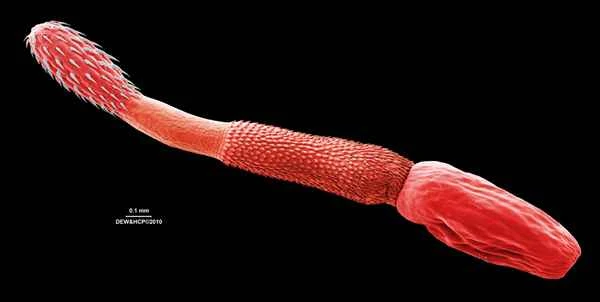
Acanthocephalans typically seek out tiny amphipods as their hosts. Amphipods often inhabit the murky bottoms of lakes or ponds. After the acanthocephalan larvae mature, they are driven away from their comfortable, dark habitats and towards the brighter waters. This is a fatal mistake for the amphipods, but for the acanthocephalans that have already stolen pigment from their hosts and turned orange, this is exactly what they desire. Only within the intestines of waterfowl can these parasites continue to mature and develop.
10. Dracinidia henryi
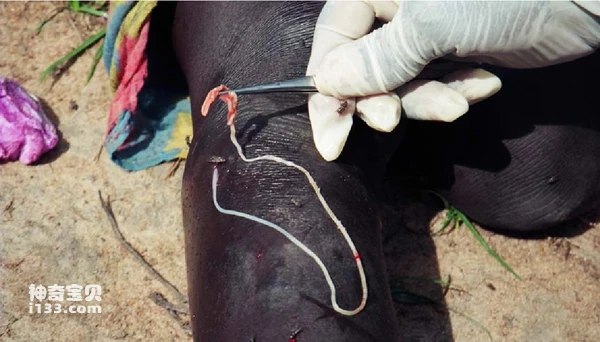
Guinea worm, also known as the Medina worm, is a parasite that once ravaged Africa. Researchers have even found traces of this parasite in ancient Egyptian mummies. Guinea worms can infect humans when they ingest water from ponds or other unclean sources. Initially, no symptoms are noticeable, but once the worms mature inside the body, they disrupt the nervous system, causing persistent thirst that compels the patient to seek water.
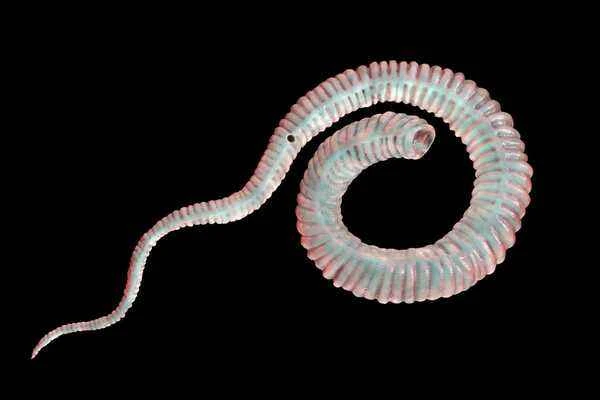
Once a victim immerses their arms or legs in water, the female parasite quickly burrows out of the skin, releasing millions of larvae to complete its life cycle. Even more seriously, this parasite can continue to live inside the body, posing a long-term threat.
The list of the top ten parasites was compiled based on a comprehensive consideration of their fame and influence. If you have any questions, please feel free to comment/criticize at the end.