The world's most venomous and dangerous marine life
The ocean is not only full of spectacular beauty, but it also harbors some highly toxic and dangerous creatures. Understanding these creatures is crucial for divers, swimmers, and marine biologists. In this article, we will delve into the characteristics, distribution, and ways to avoid harm from some of the most toxic and dangerous marine animals.
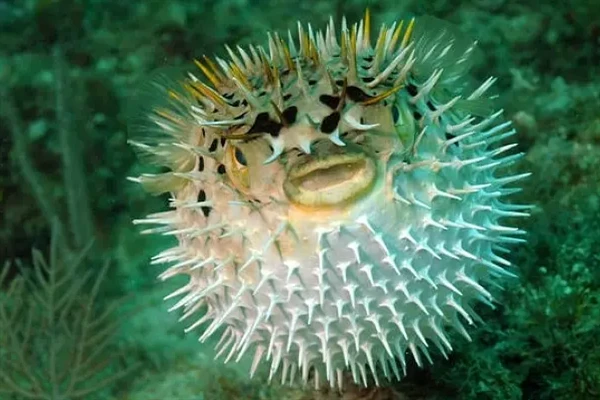
1. Stonefish
Stonefish are considered among the most venomous fish in the world. They possess the ability to camouflage themselves as rocks and inhabit the shallow waters of the Indian and Pacific Oceans. Stonefish have 13 sharp, venomous spines along their backs; stepping on one can cause excruciating pain, potentially leading to muscle paralysis, shock, or even death. Prevention : Wear shoes when walking in the ocean and be aware of rock-like objects on the seabed.
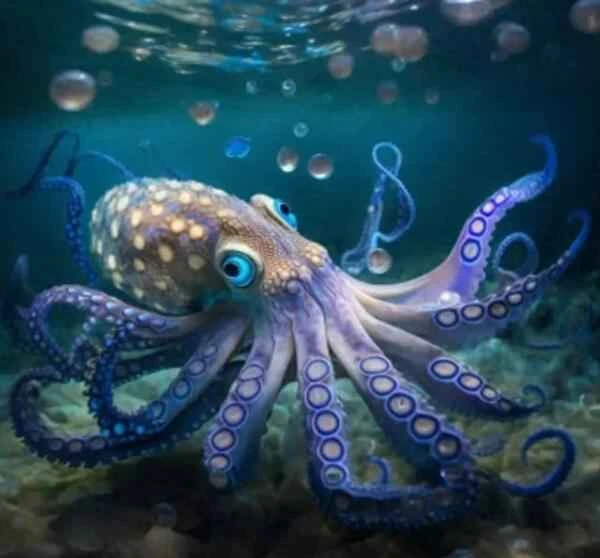
2. Blue-Ringed Octopus (Poison Dart Frog Octopus)
Despite their small size (about the size of a golf ball), the poison dart frog octopus is deadly. Found in the Indian and Pacific Oceans, this small octopus's venom can cause breathing difficulties and cardiac arrest within minutes. There is currently no antivenom, making its bite extremely dangerous. Prevention : Avoid touching octopuses with a blue halo around their body; they typically hide in coral reefs and rock crevices.
3. Box Jellyfish
The poison jellyfish is one of the most venomous creatures in the ocean and is commonly found in Australian waters. This transparent jellyfish has long tentacles, and its venom can attack the heart, nervous system, and skin cells. Within minutes of being poisoned, victims may experience cardiac arrest or respiratory failure. Prevention : Pay attention to warning signs when swimming at Australian beaches and wear protective swimwear.
4. Lionfish
Lionfish are known for their unique shape and ornate fins, but their venomous spines are hidden within these beautiful rays. While not fatal, lionfish venom can cause intense pain, dizziness, nausea, and difficulty breathing. Prevention : Maintain a safe distance from lionfish while diving and avoid direct contact with their fins.
5. Sea Snake
Sea snakes are far more venomous than most land snakes, especially the Belcher's sea snake, whose venom is extremely potent and can be fatal within minutes. Fortunately, most sea snakes are docile and typically only attack when threatened. Prevention : Keep your distance from sea snakes and avoid provoking or touching them.
6. Stingray
Although flatfish are generally docile marine creatures, they will defend themselves with a venomous barb on their tails if threatened. This barb can pierce the skin and inject venom, causing serious injury. While the venom is usually not fatal, improper wound treatment can lead to infection. Prevention : When walking in the ocean, drag your feet to avoid stepping on flatfish.
How to prevent marine toxins
Observation signs : Before heading to the beach or diving area, look for local marine life warning signs.
Wear protective gear : Especially when diving or swimming in coral reef areas, wearing protective clothing and diving shoes can effectively reduce the risk of injury.
Avoid direct contact : Whether it's rocks, fish, or other marine life, avoid touching them directly with your hands.
The ocean is a world full of mystery and danger. Understanding the most venomous and dangerous marine life and their habitats can help us stay safe when exploring the ocean. For any marine injury, always seek medical help immediately, especially after being attacked by any of the aforementioned creatures.
This article will not only enhance your understanding of marine life but also help you protect yourself and others in the ocean. If you are planning a diving trip or ocean adventure, understanding these dangerous creatures is crucial.
Are these dangerous marine animals edible? What should be done if accidentally ingested?
While some dangerous marine animals are highly toxic, not all poisonous creatures are inedible. However, consuming these organisms can be extremely risky, especially if not properly handled or accidentally ingested. Below are guidelines on whether some common poisonous marine animals are edible and what to do if accidentally ingested.
1. Stonefish
Edible? Stonefish are edible, especially in Japan and other regions where they are professionally prepared and used in dishes such as sashimi and sushi. However, the poisonous spines on the back of the stonefish must be carefully removed before cooking to prevent poisoning.
Treatment for accidental ingestion : If you are accidentally stung by a stonefish, immediately soak the injured area in hot water (40-45°C), as the stonefish toxin is sensitive to heat. Afterwards, seek immediate medical attention at a hospital, where antitoxin serum may be required.
2. Blue-Ringed Octopus (Poison Dart Octopus)
Edible ? This octopus is highly poisonous and should not be eaten. Its venom contains the deadly toxin tetradotoxin, and even a small amount can be fatal.
Treatment for accidental ingestion : If you accidentally ingest a poison dart frog or octopus or are bitten, call for emergency medical assistance immediately. Victims may experience difficulty breathing or even cardiac arrest within minutes. Since there is currently no specific antidote, treatment should focus on supportive care, including respiratory support and maintaining vital signs.
3. Box Jellyfish
Edible? No, poison jellyfish are not edible. Their tentacles contain extremely dangerous toxins, and even slight contact can cause serious health problems.
Treatment for accidental ingestion : If stung by a poison jellyfish, immediately rinse the wound with vinegar to reduce the spread of venom. Avoid using fresh water or wiping the wound, as this will stimulate the release of more venom. Seek medical attention as soon as possible for further treatment.
4. Lionfish
Edible? Lionfish are edible after proper preparation. Their flesh is delicious and they are commonly found on restaurant menus in the Caribbean and the East Coast of the United States. However, lionfish fins contain venomous spines and must be handled with care.
Treatment for accidental ingestion : While the toxins from the lionfish's venomous spines are not fatal, they can cause severe pain and other symptoms. The victim should immerse the affected area in hot water and seek medical attention as soon as possible.
5. Sea Snake
Edible? Sea snakes are considered a delicacy in some parts of Southeast Asia, but they must be prepared by a professional chef to remove their venom glands. Improperly prepared sea snake venom is extremely dangerous to humans.
Treatment for accidental ingestion : If you accidentally ingest sea snake venom glands or are bitten, go to the hospital as soon as possible. Antivenom is the most effective treatment. Supportive care includes maintaining respiratory and cardiovascular function.
6. Stingray
Edible? Yes, the round flatfish is edible, especially in some parts of Southeast Asia and South America, where its flesh is considered a delicacy. However, the venomous spines at the tail should be carefully removed before cooking.
Treatment for accidental ingestion : If you accidentally come into contact with the venomous spines of the flatfish, immediately clean the wound and soak it in hot water. In severe cases, seek medical attention to prevent infection and complications.
Treatment recommendations after accidentally ingesting poisonous marine life
Stop eating immediately : If you discover that you have accidentally ingested a poisonous marine creature, you should stop eating immediately and try to vomit out any remaining food.
Seek medical help : Even if symptoms are not obvious at first, you should go to the hospital as soon as possible, as the effects of some marine toxins may be delayed.
Drink plenty of water : If there is no severe vomiting or poisoning reaction, drinking plenty of water can help dilute the toxins in the body, but never try to induce vomiting on your own.
Monitor symptoms : Common symptoms after ingesting poisonous organisms include nausea, vomiting, abdominal pain, numbness, and difficulty breathing. If these symptoms occur, seek medical attention immediately.
Understanding the toxicity of these marine organisms and how to handle them can help people enjoy the ocean more safely while avoiding unnecessary health risks.