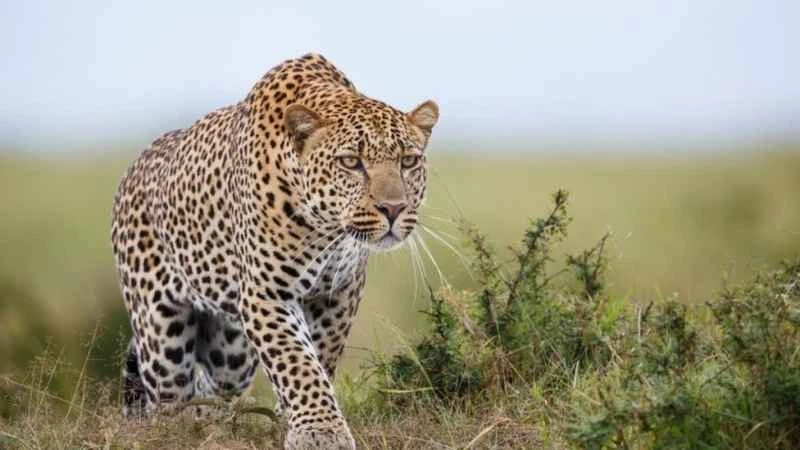
Jaguars and leopards look very similar, and many people can't tell them apart, but these two big cats are actually quite different. From appearance and habitat to hunting methods and cultural symbolism, this article will give you a comprehensive understanding of them!
Table of contents
Physical differences between jaguars and leopards
Habitat and Geographical Distribution
Comparison of hunting methods and strength
Jaguar vs. Leopard: Who is stronger?
Their current state of protection and threats
Cultural symbols of jaguars and leopards
1. Physical differences between jaguars and leopards
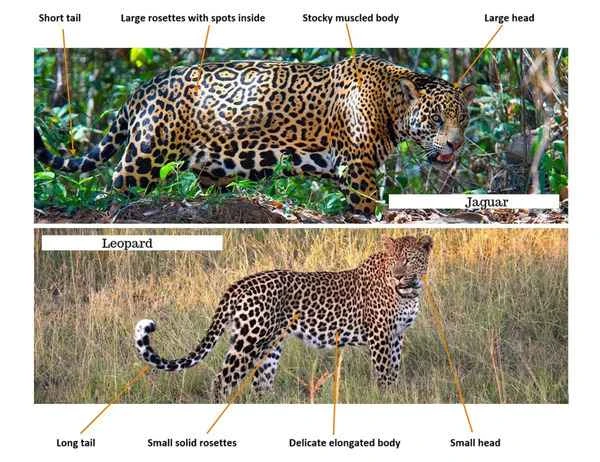
At first glance, these two big cats look very similar, but upon closer inspection, some obvious differences can be found:
Size : Jaguars are more robust, weighing approximately 50-120 kg, while leopards are lighter, generally weighing between 30-90 kg.
Stripes : Jaguars have larger spots (patterns) with a small black dot in the center; leopards have smaller and denser stripes.
Head and bite force : Jaguars have wider heads and the strongest bite force of all felines, reaching 1,500 psi, while leopards have a bite force of about 800 psi.
2. Habitat and Geographical Distribution
These two animals live in different places and have adapted to completely different environments:
Jaguars : They are mainly distributed in the Americas, including the Amazon rainforest and the Pantanal wetlands. They prefer places with plenty of water.
Leopards : mainly distributed in Africa and Asia, their habitats include savannahs, rainforests, and even high mountain areas.
| Features | Jaguar | leopard |
|---|---|---|
| Distribution area | Americas (Amazon, Pantanal, etc.) | Africa, Asia |
| Habitat | rainforests and wetlands | grasslands, forests, and mountainous areas |
3. Hunting methods and strength comparison
Both are apex predators, but their hunting methods differ:
Jaguars hunt by ambush, using their powerful bite to crush the skull of their prey or penetrate its shell.
Leopard hunting methods : Leopards are more agile and adept at silently approaching their prey before suddenly attacking. They often drag their prey up trees to prevent it from being snatched away by other carnivores.
| Features | Jaguar | leopard |
|---|---|---|
| bite force | 1,500 psi (Very strong) | 800 psi |
| Prey preference | Capybaras, Caimans, Turtles | Antelope, monkey, small deer |
| hunting methods | Ambush + fatal headshot | Stealth + storing prey in trees |
4. Jaguar vs. Leopard: Who is stronger?
If these two big cats were to fight, the jaguar would likely have the advantage due to its greater strength and bite force. However, the leopard is more agile and could potentially evade attacks through speed and skill.
5. Their current state of protection and threats
Both jaguars and leopards face threats from habitat loss and illegal hunting due to human activities.
Jaguar : Listed as "Near Threatened", primarily threatened by deforestation and poaching.
Leopards : Conservation status varies by region, and some subspecies are endangered, such as the Indian leopard and the Sri Lankan leopard.
Conservation efforts include establishing nature reserves, combating poaching, and raising public awareness of conservation through education.
6. Cultural Symbols of Jaguars and Leopards
They are not only the dominant species in nature, but also important symbols in culture:
Jaguar : In Central and South American cultures, the jaguar is regarded as the embodiment of power and divinity, and frequently appears in ancient art and mythology.
Leopard : In Africa and Asia, the leopard symbolizes secrecy and elegance, and is also regarded as a symbol of hunters and warriors.
7. Similarities between jaguars and leopards
Despite their many differences, they also share some commonalities:
They are all solitary predators.
They are all excellent swimmers and tree climbers.
They are all apex predators in the ecosystem and are crucial to the health of the environment.
Summarize
Jaguars and leopards are amazing creatures. Understanding their differences and similarities not only allows us to better appreciate the diversity of nature but also reminds us of the importance of protecting them. Whether considering their habitats or their cultural significance, these big cats deserve our attention and care.