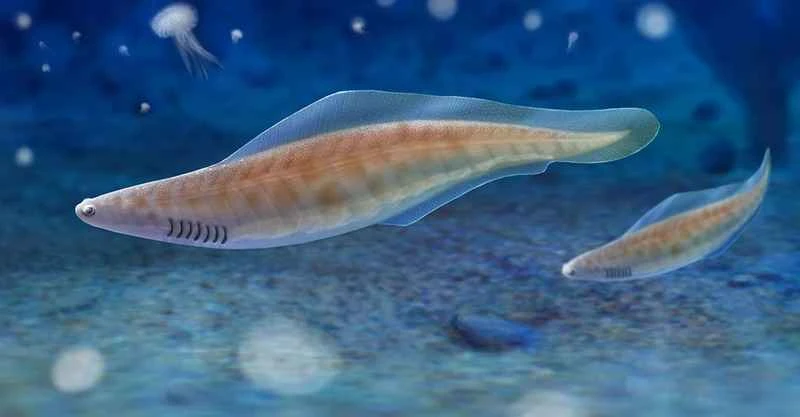
According to the World Fish Database as of February 2022, there are approximately 34,800 named fish species worldwide, accounting for more than half of all vertebrates, with about 250 new species discovered each year. The oldest known fish species is *Haikouichthys ercaicunensis*, discovered in the Chengjiang Fauna of Yunnan Province, dating back to the Cambrian period, approximately 520 million years ago.
Fish primarily live in water, distributed in both marine and freshwater environments. Approximately two-thirds of fish inhabit the ocean, while the remainder live in freshwater. So, do you know which prehistoric fish species still exist today? These include the frilled shark, coelacanth, lamprey, arowana, sturgeon, Senegalese wrasse, beluga sturgeon, alligator gar, arapaima, and great white shark. These ancient fish species still exist today; let's learn about them together.
1. Frilled Shark (380 million years ago)
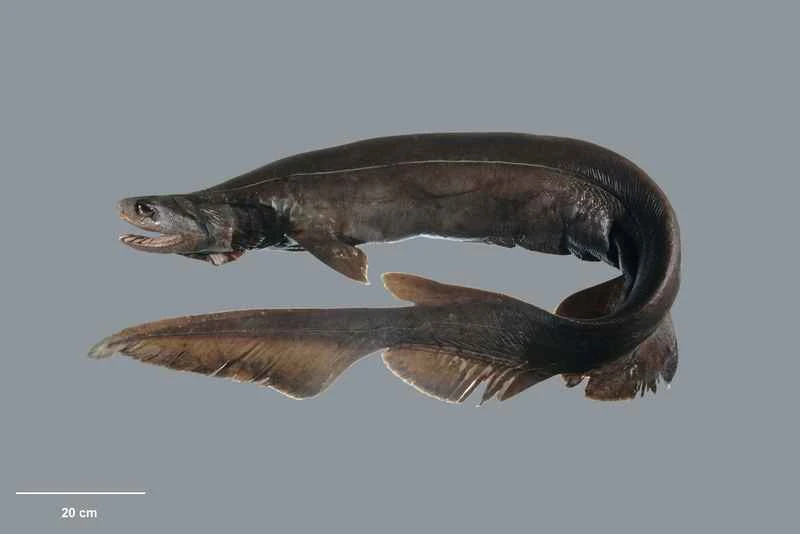
The frilled shark (scientific name: *Chlamydoselachus anguineus*) is a primitive shark, often referred to as a "living fossil" due to its ancient features. Its body shape resembles an eel, reaching up to 2 meters in length. Its dorsal, caudal, and anal fins are located on the rear of its body. It has six gill slits on each side, with elongated, folded intergill slits that overlap each other, hence its name, frilled shark.
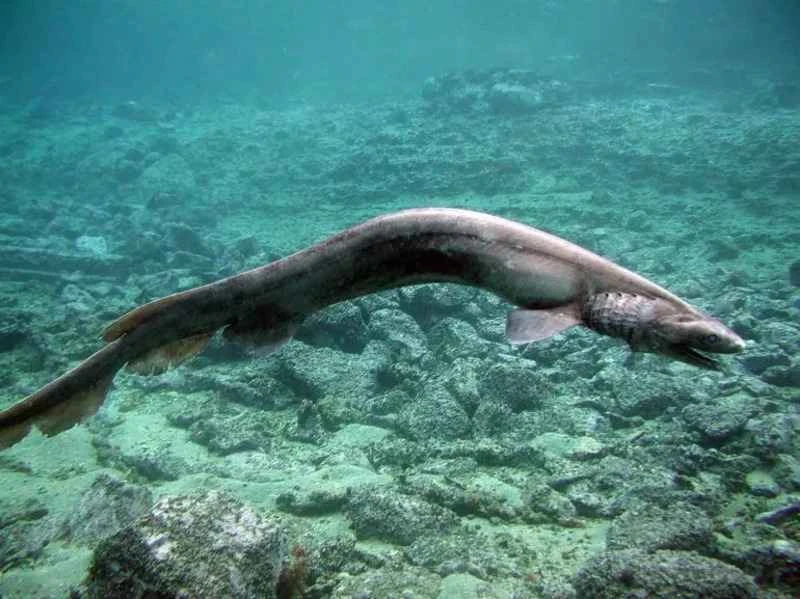
Frilled sharks primarily inhabit deep-sea areas at depths of 600 to 1000 meters, with a distribution range spanning almost the entire globe, though their distribution is very scattered. Compared to other sharks, frilled sharks possess six pairs of gill slits, likely because they live in oxygen-depleted deep-sea environments and therefore require more gill slits to improve gas exchange efficiency.
2. Coelacanth (377 million years ago)
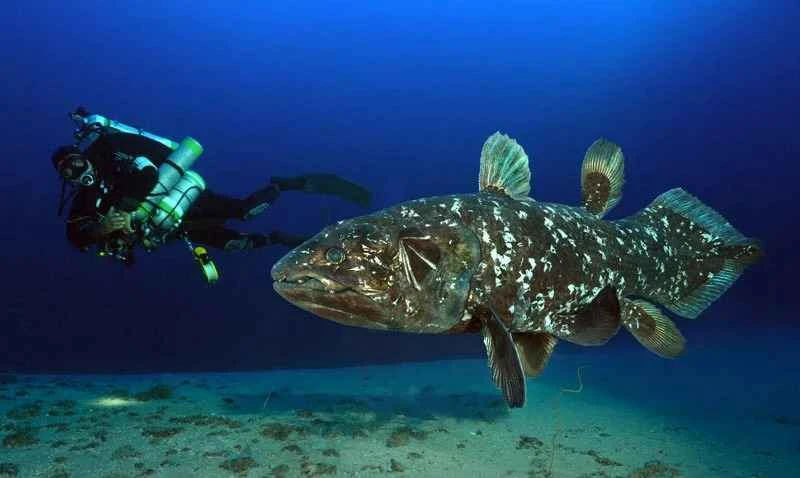
Coelacanthiformes, belonging to the order Coelacanthiformes in the class Lobefinned fish, first appeared in the fossil record during the Middle Devonian period. Once thought to have gone extinct 65 million years ago, traces of coelacanthiformes have been gradually discovered since 1938, thus earning it the title of "living fossil of the dinosaur era."
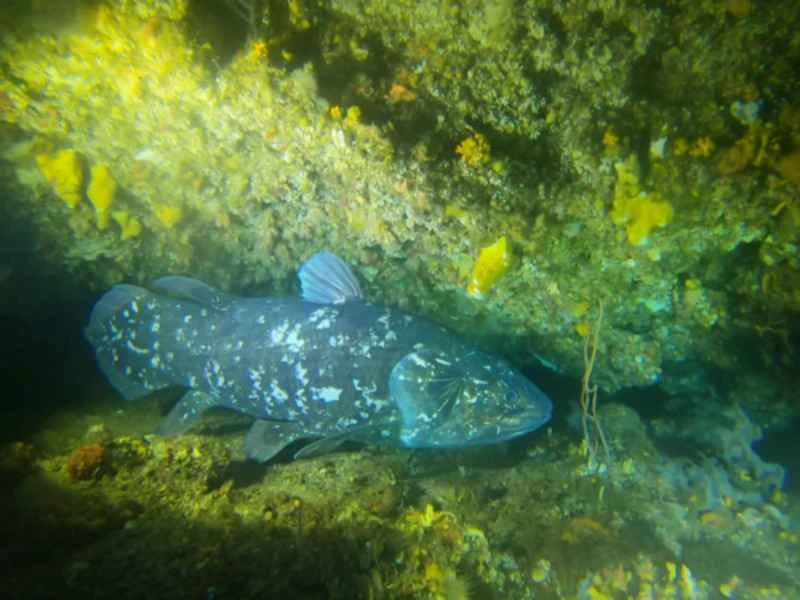
Coelacanths were larger than most fossil species, with a spindle-shaped body covered in thick scales, some up to 5 centimeters long. These scales were covered in small spines, which could cause injury if accidentally touched. Coelacanths had a very long lifespan, possibly approaching a century, and their growth rate was extremely slow.
3. Lamprey (360 million years ago)
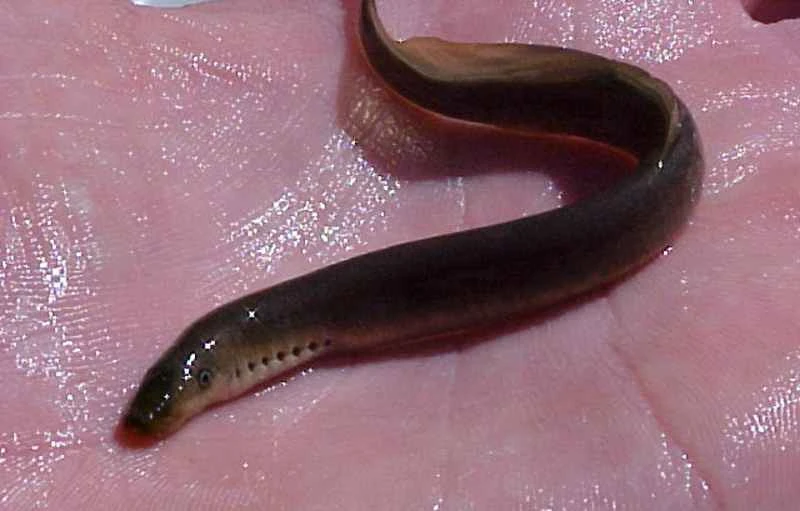
Lampreys (scientific name: Petromyzontidae), also known as eight-eyed eels or seven-star eels, are an ancient species of lamprey in the order Petromyzontidae of the class Cyclostomata. They belong to the transitional form of invertebrates to fish and are one of the most primitive types of fish-like animals.
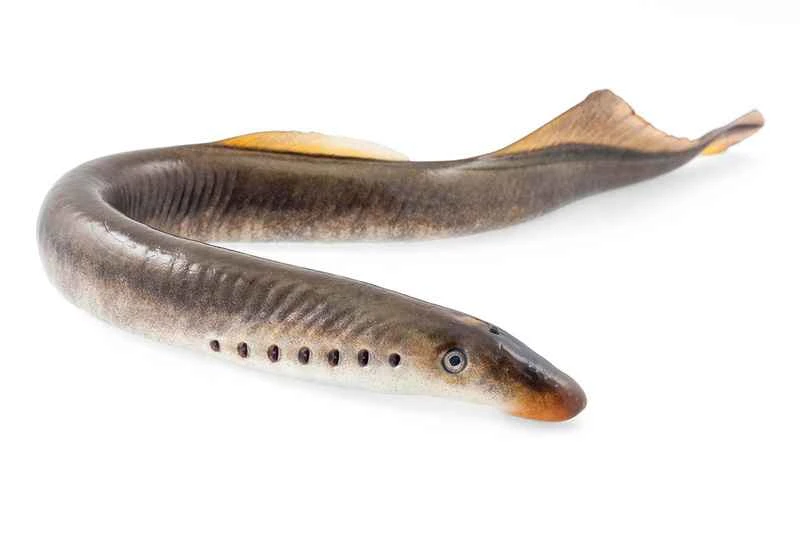
Lampreys are jawless cyclostomes whose mouths are filled with sharp teeth, a feature unique to their ancient fish ancestors. Their gills are pouch-shaped and remain primitive, with seven gill openings on each side arranged behind the eyes. The mouth is funnel-shaped, with rings of teeth on the inner side forming a circular sucker that allows it to attach to larger fish. The 2014 American horror film *The Man-Eel* was based on the lamprey.
4. Asian Arowana (355 million years ago)
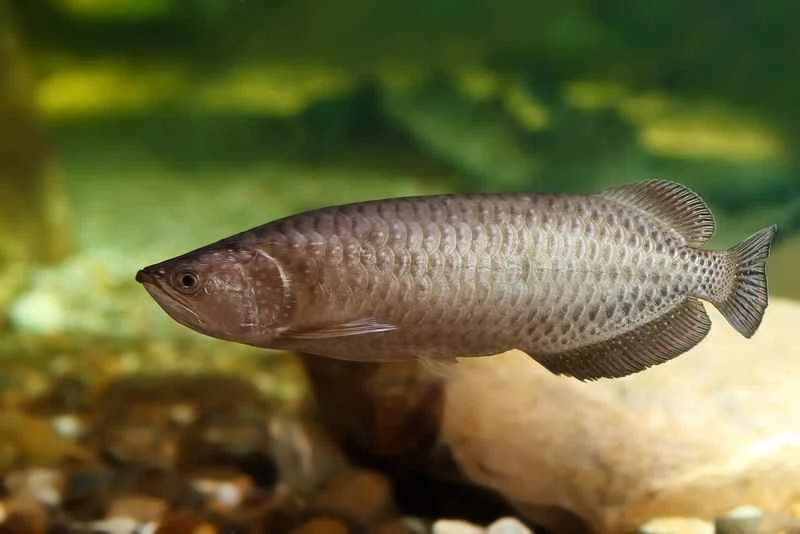
The Asian arowana (scientific name: *Scleropages formosus*) is an ancient, primitive freshwater fish belonging to the genus *Scleropages* in the family Osteoglossidae. In Taiwan, it is called the Red Arowana, in Hong Kong it is called the Dragon Spitting Pearl, and in Malaysia it is known as the Golden Arowana. Adult arowanas typically reach 40 to 50 centimeters in length and can live for decades. They are aggressive and primarily feed on live fish, shrimp, aquatic insects, and frogs. In the Chinese community, they are considered high-end ornamental fish, believed to bring good luck and wealth.
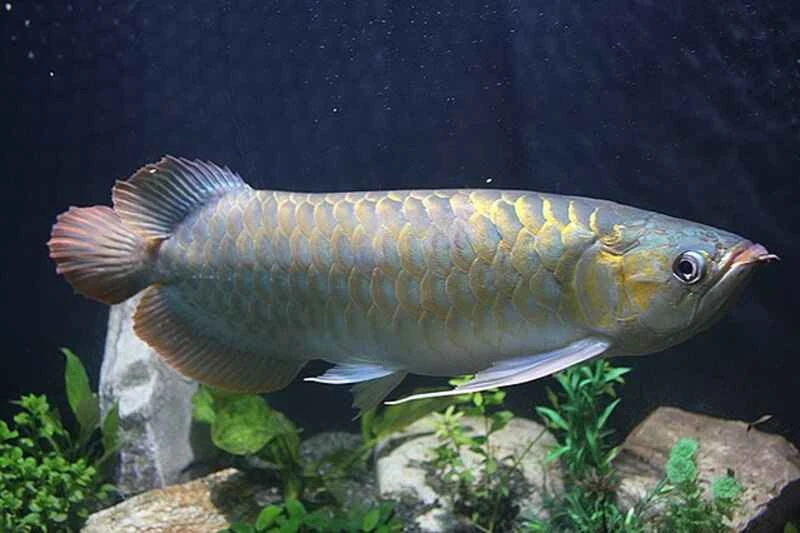
Since the mid-20th century, Asian arowanas have been gradually developed as ornamental fish. Due to their armor-like, shimmering metallic scales, vibrant colors, and majestic appearance, they have become a highly sought-after species, and their price has soared, making them one of the most expensive ornamental fish. Tracing back to the Carboniferous period, arowanas belong to the Osteoglossidae family and have existed since that era.
5. Sturgeon (150 million years ago)
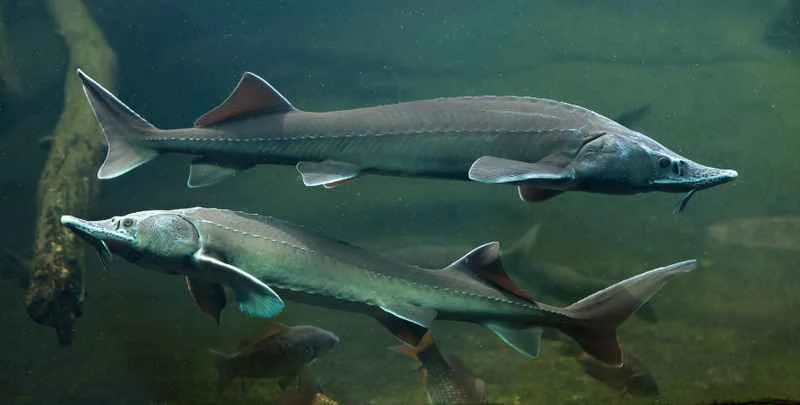
Sturgeon is a general term for fish belonging to the order Acipenseriformes in the class Actinopterygii. Acipenseriformes are an ancient group of fish species distributed in the northern hemisphere. Many species are migratory and have high economic value. Originating in the Mesozoic Era 150 million years ago, sturgeon, as a rare ancient fish, fall between cartilaginous and bony fish. Sturgeon skeletons are generally less ossified; their central axis is an unossified elastic notochord, they lack vertebral bodies, and the cartilaginous shell of their skull is also mostly unossified.
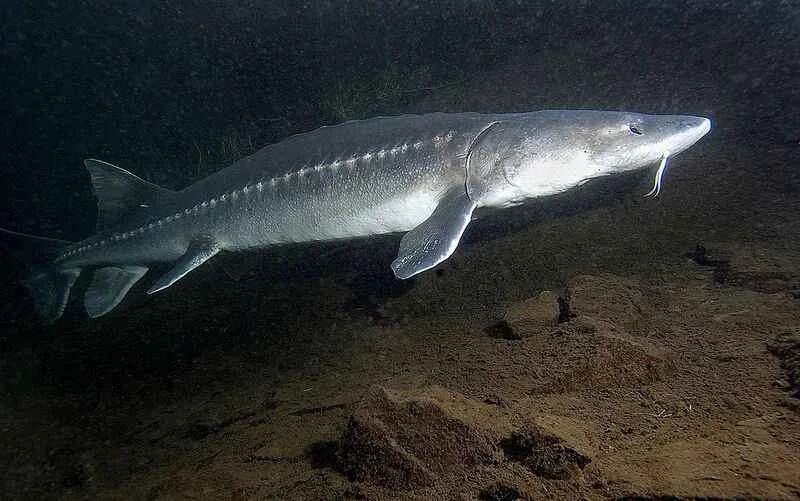
In Chinese waters, sturgeon species include: sturgeon and Amur sturgeon from the Heilongjiang, Ussuri, and Songhua River systems; Amur sturgeon, Chinese sturgeon, and Chinese paddlefish from the Yangtze River system; and naked sturgeon, small sturgeon, and Siberian sturgeon from Xinjiang.
6. Senegalese Polypterygius (145 million years ago)
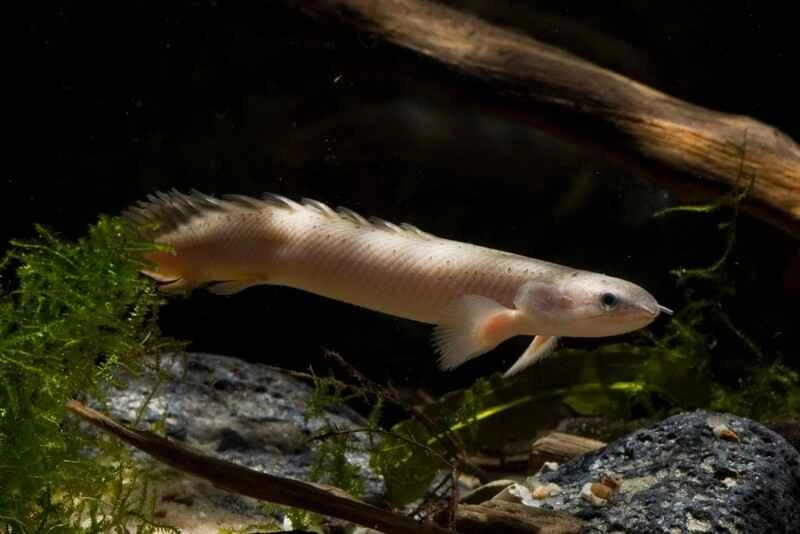
The Senegalese Polypterus (scientific name: *Polypterus senegalus*), commonly known as the multi-finned fish, is also called the Golden Dinosaur or Nine-sectioned Dragon. It is an ancient freshwater fish belonging to the order Polypteriformes, family Polypteridae, and genus *Polypterus*, primarily distributed in Africa. The Golden Dinosaur inhabits freshwater streams and lakes in East, West, and Central Africa, and its population is relatively abundant. Its unique structure makes it an important species for studying fish evolution, while its unusual appearance also makes it an ideal ornamental fish. The history of the Senegalese Polypterus can be traced back to the Cretaceous period.
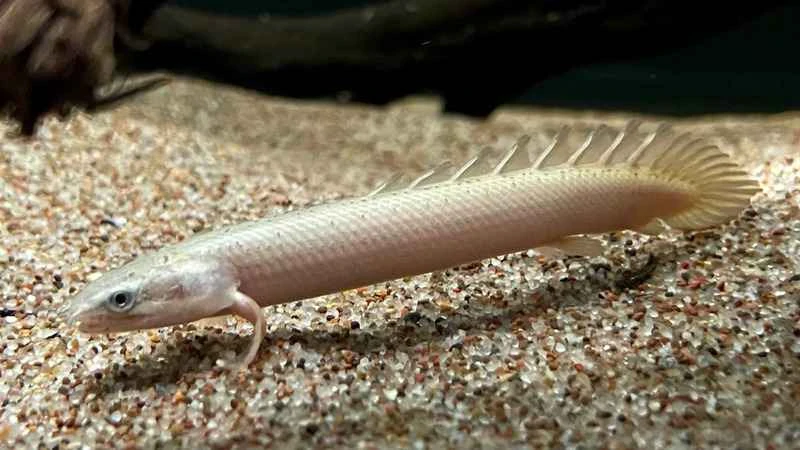
This fish typically inhabits still waters such as swamps or lagoons. It is carnivorous, feeding mainly on frogs, fish, insects, and crustaceans. It can breathe air, allowing it to survive in environments with low oxygen concentrations. Juveniles possess external gills in their early stages.
7. Beluga sturgeon (130 million years ago)
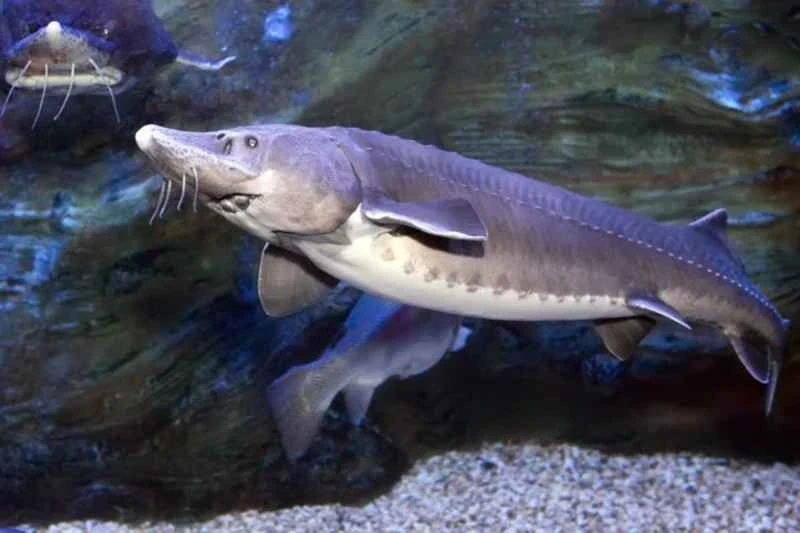
The Amur sturgeon (scientific name: *Huso dauricus*), also known as the beluga sturgeon, is a large, bottom-dwelling freshwater fish belonging to the genus *Huso* of the family Acipenseridae. A cartilaginous fish, its origins can be traced back to the Cretaceous period, approximately 130 million years ago, and it is a rare species found only in the Heilongjiang River basin.
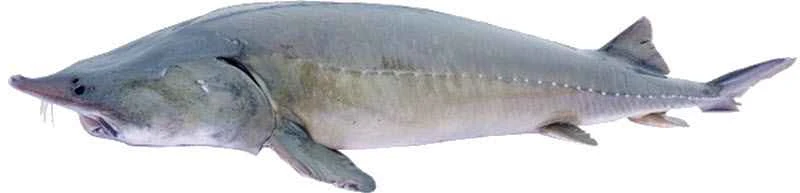
The Kaluga sturgeon has a very long lifespan, reaching up to 100 years. It is mainly distributed in the middle and lower reaches of the Heilongjiang River system in Northeast Asia, including the Ussuri River, the lower reaches of the Songhua River, and the lower reaches of the Nenjiang River, typically inhabiting gravelly and sandy bottoms. The Kaluga sturgeon can reach a maximum length of 5.6 meters and a weight of up to 1 ton, making it one of the largest living freshwater fish. It is ferocious, primarily preying on other fish, and has a voracious appetite; it will even bite its own kind when hungry.
8. Alligator gar (over 100 million years ago)
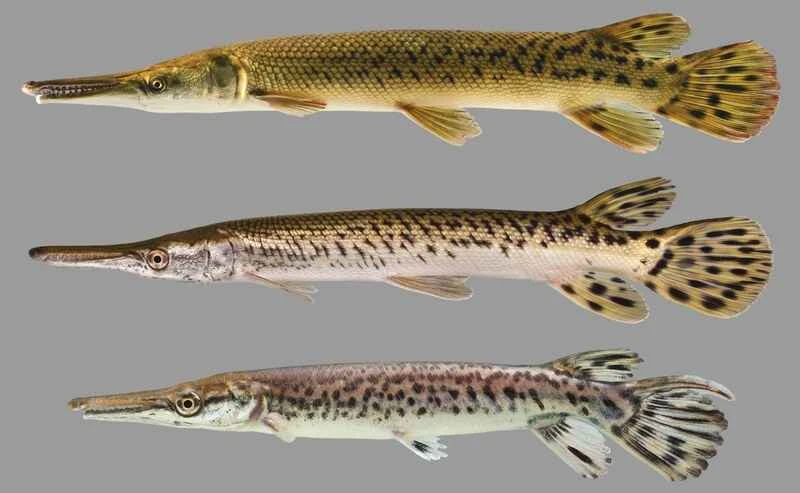
The alligator gar (scientific name: *Atractosteus spatula*), also known as the gar or giant gar, and called the hammer gar in Taiwan, is a very ancient ray-finned fish. It is the largest fish in the order Alligatoridae and one of the largest freshwater fish in North America, reaching lengths of 2.4 to 3.0 meters and weighing approximately 91 to 159 kilograms. It has existed on Earth for over 100 million years.
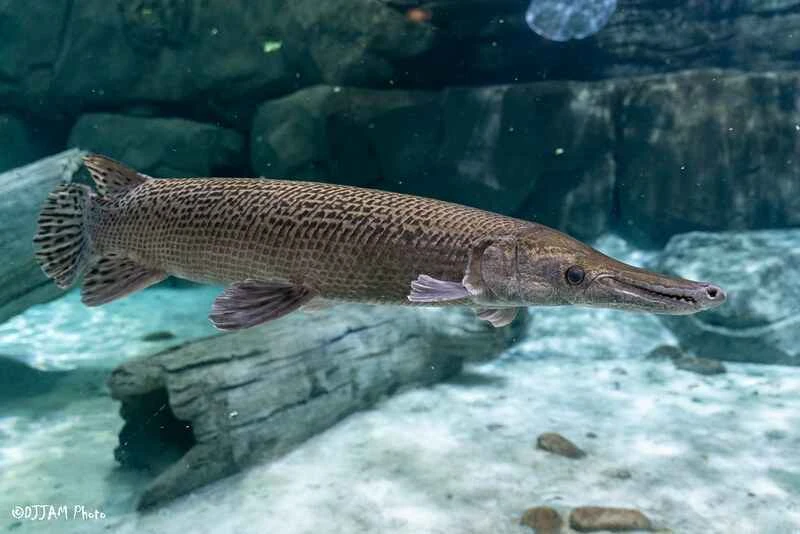
The crocodile has a long, cylindrical body covered in dense, bluish-gray diamond-shaped scales with dark markings. Its snout protrudes forward, and its upper and lower jaws are filled with sharp teeth, resembling the mouth of a crocodile, hence its name. The crocodile can breathe in low-oxygen environments by swallowing air and storing it in its swim bladder, allowing it to survive out of water for up to two hours. Its lifespan is generally 26 to 50 years, with a maximum of 75 years.
9. Arapaima (100 million years ago)
The arapaima gigas, also known as the giant arapaima or the warship arapaima, is mainly distributed in the rivers of South America, especially in the slow-flowing sections of the Amazon River. Mature arapaima can exceed 2.5 meters in length and weigh about 100 kilograms (the largest one ever caught weighed 230 kilograms), with a maximum length of 4.5 to 6 meters, making it one of the largest freshwater fish in the world.
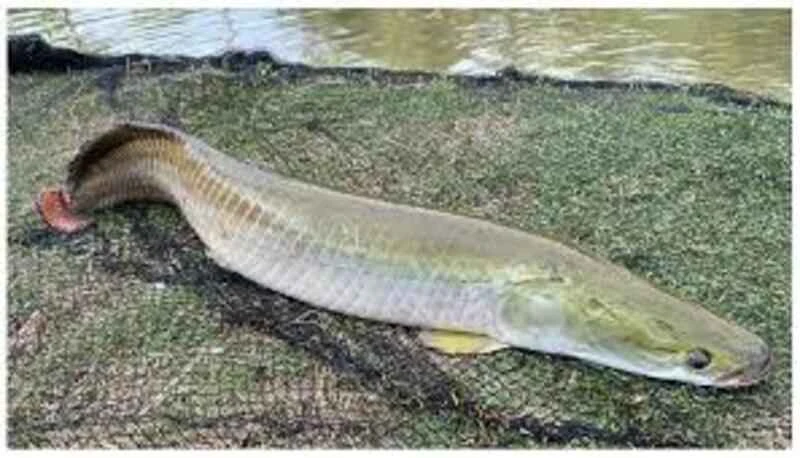
This fish inhabits freshwater rivers in South America, primarily feeding on small fish, but occasionally also preying on snakes, turtles, frogs, insects, and even small crocodiles and piranhas. Due to the hot climate and slow-moving waters of the Amazon region, which result in low oxygen levels in the water, the arapaima usually needs to surface to breathe air.
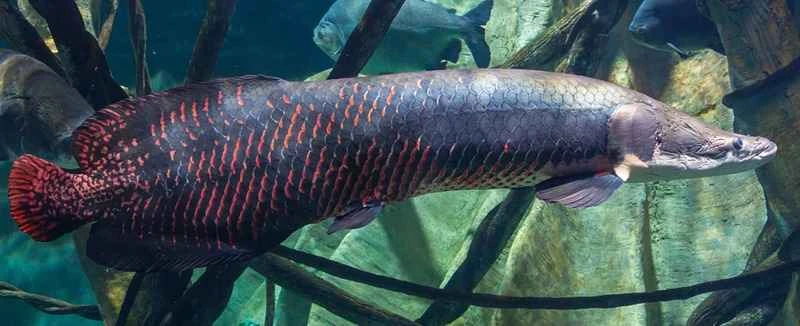
The arapaima is bulky and moves relatively slowly. Its large, hard scales can be used to sharpen claws. Due to its large and beautiful appearance, it is often kept as an ornamental fish. Its meat can be made into dried goods or pickled foods, and is a common food in its habitat. Additionally, the arapaima's teeth, when dried, can be used as a substitute for files.
10. Great White Shark (20 million years ago)
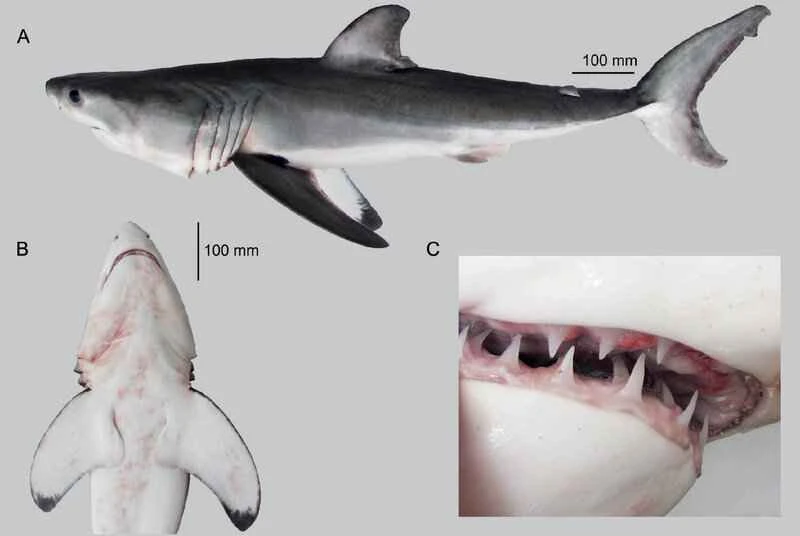
The great white shark (scientific name: *Carcharodon carcharias*), also known as the man-eating shark, is a living fossil species. The earliest fossils date back to the Miocene epoch, and the only extant member belongs to the genus *Carcharodon*. They can reach a length of 6.5 meters and weigh approximately 3200 kilograms, with a crescent-shaped tail fin. Great white sharks have large, sharp, serrated, triangular teeth, each reaching up to 10 centimeters in length. As a large predatory shark, the great white shark is at the top of the food chain, the ultimate predator in the ocean.
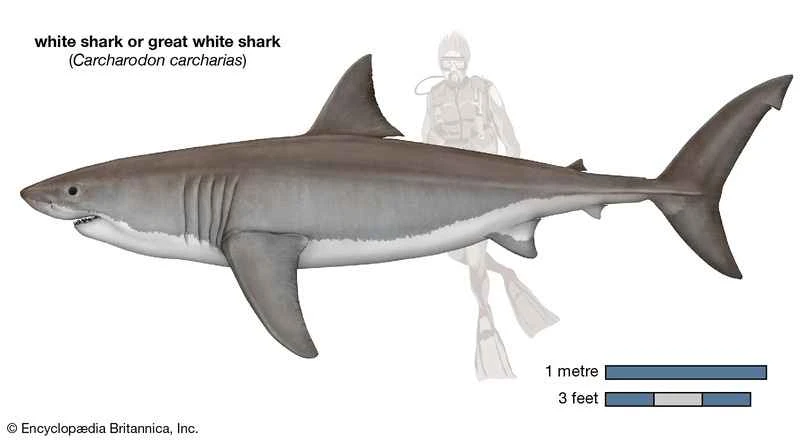
Great white sharks are widely distributed, commonly found in the tropical and temperate waters of the world's major oceans. They typically inhabit open waters but will also venture into inland waters. They primarily prey on seals and sea lions, and occasionally also consume the carcasses of dolphins or whales.
The list of the world's ten most surviving prehistoric fish species is based on their earliest known existence and is for reference only. It aims to help you understand these ten species. If you have any questions, please feel free to comment or offer corrections at the end.