On this blue planet Earth, there lives a group of colossal creatures whose incredible size redefines our understanding of animals. Today, let's explore the ten heaviest mammals alive today and experience the awe-inspiring presence of these true "heavyweights" of nature!
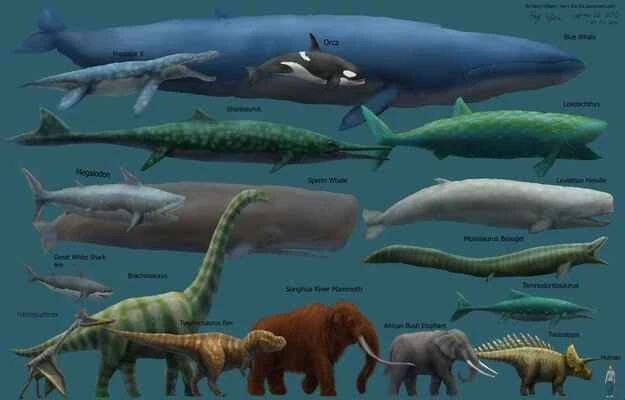
Ranking | animal | Average weight [tons] | Maximum weight [tons] | Average total length [meters] |
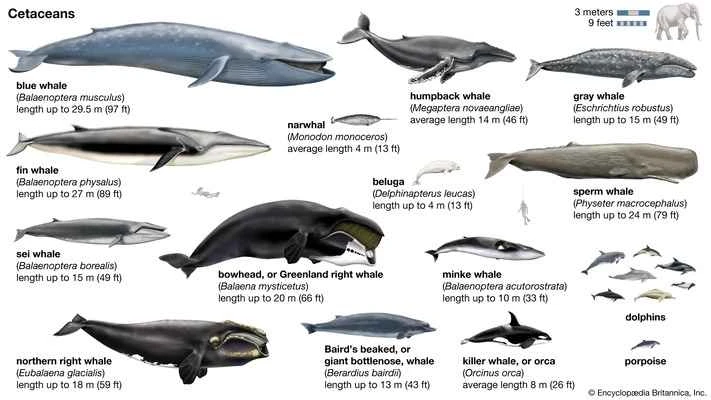
1 | Blue Whale | 150 | 200 | 25.5 |
2 | north pacific right whale | 60 | 120 | 15.5 |
3 | Southern right whale | 58 | 110 | 15.25 |
4 | Fin whale | 57 | 120 | 19.5 |
5 | North Atlantic right whale | 55 | 100 | 15 |
6 | Bowhead whale | 54.5 | 120 | 15 |
7 | sperm whale | 31.25 | 57 | 13.25 |
8 | Humpback whale | 29 | 48 | 13.5 |
9 | Seywa | 22.5 | 45 | 14.8 |
10 | Gray whale | 19.5 | 45 | 13.5 |
NO.1 Blue Whale – A Giant of the Ocean
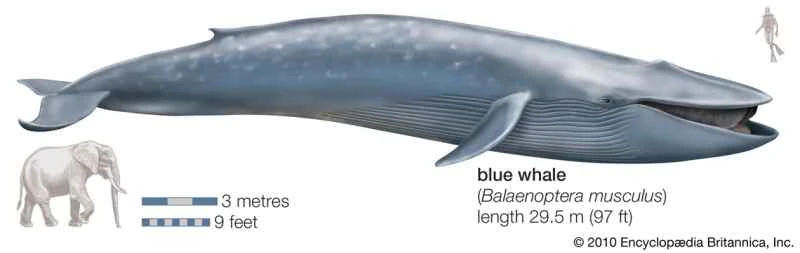
Without a doubt, the blue whale is the largest animal in Earth's history, with the longest recorded specimen reaching 33.6 meters—equivalent to the length of two buses! Its weight is even more astonishing, reaching up to 200 tons, roughly the combined weight of 33 African elephants. Despite its enormous size, the blue whale is gentle in nature, feeding on tiny krill and gracefully swimming in the deep blue ocean.
NO.2 North Pacific Right Whale – A Rare Marine Giant

North Pacific right whales average 60 tons in weight, with some reaching up to 120 tons, and are about 15.5 meters long. Although they were once endangered due to whaling, they have now become a symbol of marine conservation.
No. 3 Southern Right Whale – A Leisurely Traveler in the Southern Hemisphere
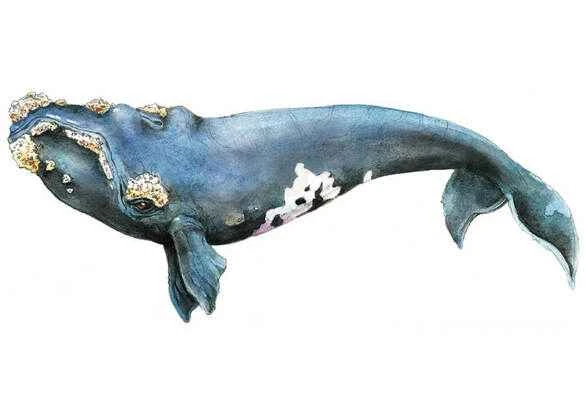
Southern right whales can weigh up to 110 tons and are about 15.25 meters long. These whales are known for their slow and graceful movements and migrate thousands of kilometers every year, demonstrating their great endurance and vitality.
No. 4 Fin Whale – A perfect combination of speed and size
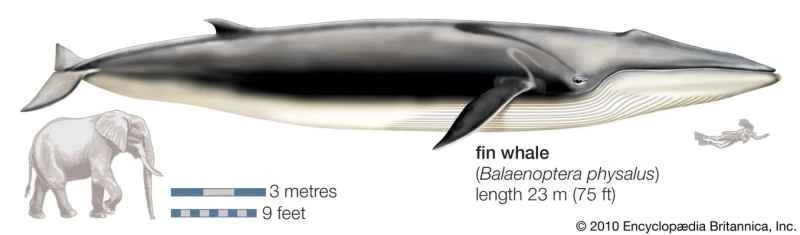
Fin whales are considered the "sprint champions" of whales, weighing up to 120 tons and reaching a length of 19.5 meters. They swim incredibly fast in the water and are known as one of the fastest whales in the world.
NO.5 North Atlantic Right Whale – The Steadfast Giant of the Northern Seas
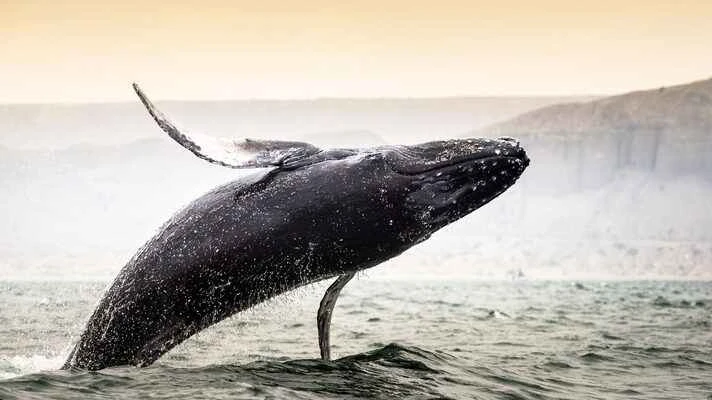
The North Atlantic right whale is about 15 meters long and weighs up to 100 tons. This gentle whale was once highly prized during the whaling era, but its numbers have now drastically decreased, making it an endangered species.
No. 6 Bowhead Whale – A Long-Lived Arctic Inhabitant
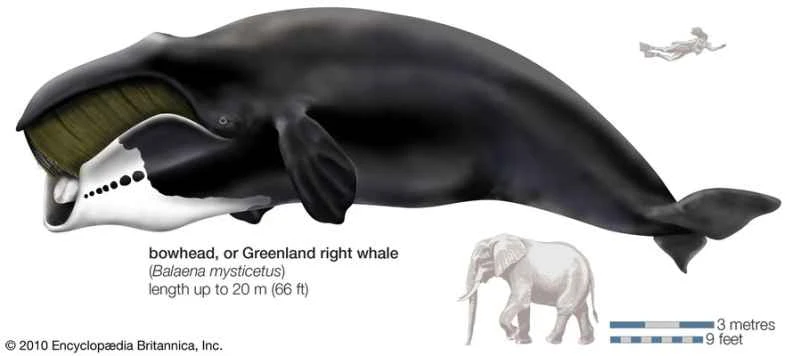
Bowhead whales are not only enormous, weighing up to 120 tons and measuring about 15 meters in length, but they are also known for their astonishing longevity, with some individuals living for over 200 years! They live leisurely and peacefully in the cold waters of the Arctic.
NO.7 Sperm Whale – Explorer of the Deep Sea
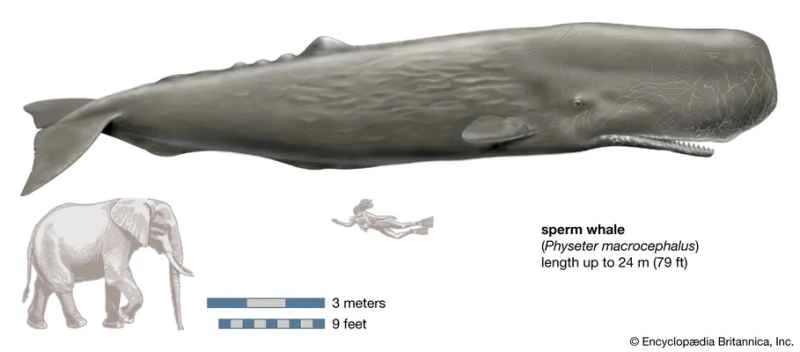
With an average weight of 31.25 tons and a maximum weight of 57 tons, sperm whales are known for preying on giant squid. They can dive to depths of thousands of meters, making them mysterious and legendary.
No. 8 Humpback Whale – The Performing Artist of the Ocean
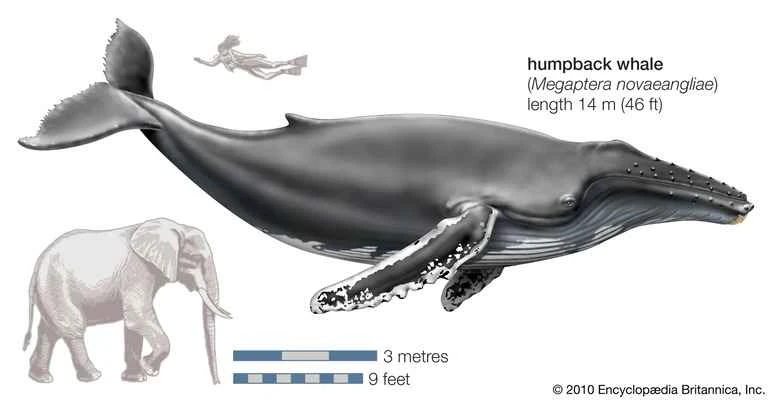
The humpback whale (also known as the bighead whale) can weigh up to 48 tons and is about 13.5 meters long. It is famous for its spectacular breaching of the water and is often seen on whale watching tours.
NO.9 Sai Whale – An Elegant Ocean Passerby
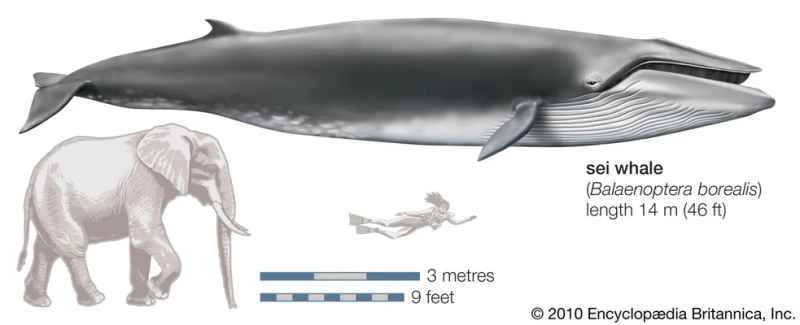
Sey whales are about 14.8 meters long and weigh up to 45 tons. They migrate at a rapid pace and are among the fastest swimmers of all large whales.
NO.10 Gray Whale – Champion of the Long Migration
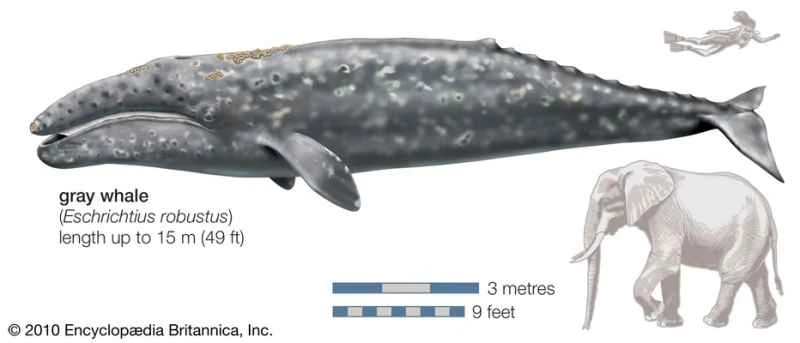
Gray whales can weigh up to 45 tons and are about 13.5 meters long. They undertake migrations of up to 20,000 kilometers each year, making them the champions of long-distance travel in the animal kingdom.
Special nomination for King of the Land
Although it didn't make the top ten, the African savanna elephant, the largest living land mammal, is worth mentioning. Reaching nearly 4 meters in shoulder height and weighing up to 10.4 tons, its gentle yet intelligent nature has made it a representative of the giants in the land animal kingdom.
Conclusion
These earth's heavyweights not only amaze us with their astonishing weight, but also remind us of the infinite possibilities of life and the wonders of Earth's ecosystem through their diverse and unique lifestyles. Protecting them is protecting our shared home and future.