What animals eat cockroaches? Cockroach predators in nature.
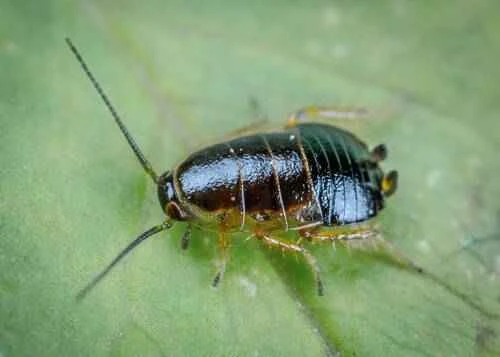
Cockroaches are common pests in many people's lives, especially in warm, humid environments where they reproduce rapidly. However, many animals in nature prey on cockroaches, playing an important scavenging role in the ecosystem and helping to control their population. This article will detail several common cockroach predators and how they function in the ecosystem.
1. Spiders: Efficient Cockroach Hunters
Spiders are among the top predators of cockroaches. Many spider species, especially larger ones like wolf spiders and hunter spiders , can easily prey on larger cockroaches. Spiders typically capture their prey by weaving webs or by actively attacking and paralyzing them with venom.
Functions and ecological roles:
Natural pest control : Spiders, as important predators in the ecosystem, can help control cockroach populations in homes and the wild.
Rapid hunting : Spiders can quickly subdue cockroaches thanks to their flexible legs and powerful venom.
2. Lizards: Reptiles that love cockroaches.
Lizards, especially geckos and chameleons , have a particular fondness for cockroaches. They capture prey by rapidly extending their tongues, and this quick hunting technique allows them to easily catch small insects, including cockroaches.
Functions and ecological roles:
Natural predators in the home : Small lizards such as geckos kept in homes are often used as "natural weapons" for controlling household pests, especially in tropical regions.
Diverse diet : Lizards not only eat cockroaches, but also other insects, which helps maintain ecological balance.
3. Birds: Aerial predators that eliminate cockroaches
Many birds, especially insectivorous birds such as swallows and sparrows , prey on cockroaches. Birds easily catch insects, including cockroaches, on the ground or in flight using their agile flight and sharp beaks.
Functions and ecological roles:
Pest control in farmland : Birds often prey on pests, including cockroaches, around farmland, making pest management of crops crucial.
Urban ecological regulators : In cities, birds such as sparrows help control the number of pests such as cockroaches.
4. Amphibians: A delicious feast for frogs and toads
Amphibians such as frogs and toads also frequently prey on cockroaches. They use their long, sticky tongues to quickly grab passing cockroaches. These animals typically live in damp environments, which cockroaches also prefer, making them common prey for them.
Functions and ecological roles:
Frogs and toads, important members of wetland ecosystems , help control insect populations, including cockroaches, near wetlands and other bodies of water.
Nocturnal predators : Many amphibians are nocturnal, overlapping with the active time of cockroaches, thus making them effective at catching them.
5. Mammals: One of the diets of mice and hedgehogs
Small mammals such as rats and hedgehogs also prey on cockroaches, especially when food is scarce. They have an appetite for a variety of insects, and cockroaches are part of their diet.
Functions and ecological roles:
Opportunistic predators : Rats and hedgehogs will typically catch any edible insects, including cockroaches.
Reducing pest numbers : These animals act as scavengers in the natural environment, helping to reduce the reproduction and spread of cockroaches.
6. Praying mantis: A natural enemy of the insect world
Praying mantises are well-known hunting insects, using their quick reflexes and powerful forelimbs to capture prey. They are capable of hunting a wide variety of insects, including larger ones like cockroaches.
Functions and ecological roles:
Precision hunting : Mantises are apex predators in the insect world, able to precisely capture cockroaches using their keen vision and powerful forelimbs.
Ecological balance : Mantises play a vital role in controlling pest populations, especially in gardens and fields.
7. Ants: The Power of Collective Hunting
Some ant species, such as army ants, hunt insects, including cockroaches, in swarms. While a single ant may not easily catch a cockroach, their collective action allows them to successfully surround and kill it.
Functions and ecological roles:
Cleaner ants : Ants not only prey on live cockroaches, but also decompose their carcasses, helping to clean up the environment.
Group cooperation : Through group hunting, ants are able to effectively capture prey much larger than themselves, including cockroaches.
Summarize
In nature, many animals prey on cockroaches, from spiders and lizards to birds, amphibians, mammals, and other insects; these predators together form a complex ecosystem. These animals play a crucial role in controlling cockroach populations, reducing cockroach problems in people's living environments.
If you want to reduce cockroach populations, you can try introducing some of these natural predators into your environment, or ensure that the ecosystem around you remains healthy and balanced. By understanding the predatory behavior of these animals, we can better understand how nature regulates itself to maintain ecological health and balance.