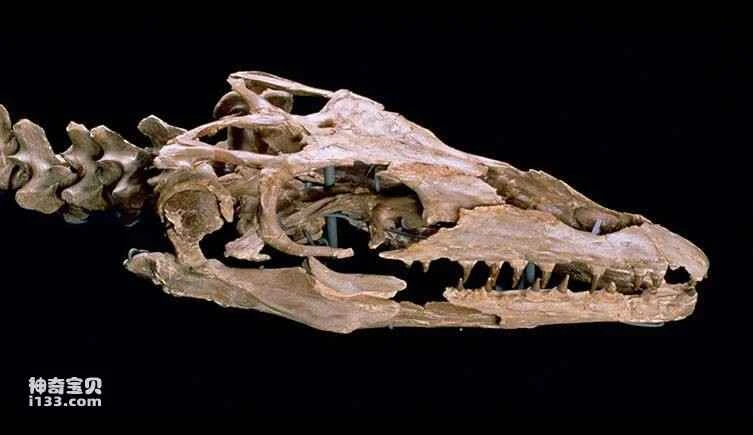
Turtles and tortoises are arguably among the most ancient creatures in the world. The earliest known turtle fossil is that of the Late Triassic *Protognathus*, dating back 200 million years. This means that *Protognathus* is an ancestor of turtles and tortoises. *Protognathus* originated in Germany and has also been found in northern Thailand. There are no reports of *Protognathus* species found in China. *Protognathus* species had lost their teeth and their bodies were protected by a shell, but their heads could not be retracted into the shell.
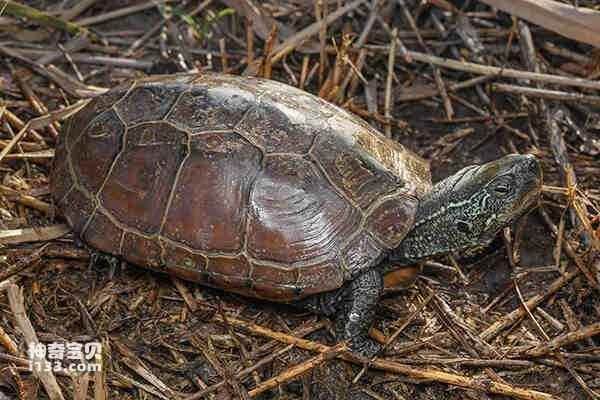
In the animal evolutionary tree, turtles form their own branch, making them quite special, unique, and specialized animals. They have thrived and multiplied on Earth, with diverse species. Around the Late Jurassic period of the Mesozoic Era, the Protojaculate evolved into two distinct groups: the side-necked turtles and the scalloped-necked turtles (also known as the cryptids or cryptids).
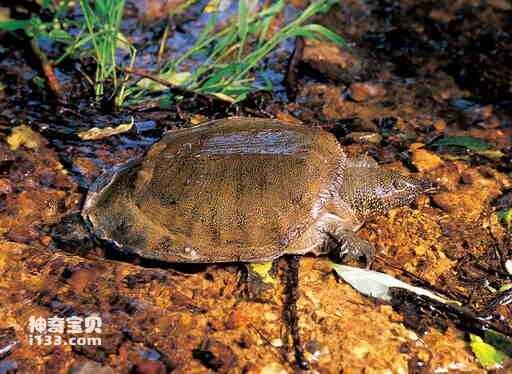
Turtles—Turtle animals evolved from early primitive turtles. The earliest record of turtle fossils dates back to the Cretaceous period, 100 million years ago, represented by the ancient turtle.
Tortoises – The earliest record of tortoises dates back to the Eocene epoch, 40 million years ago, and they flourished thereafter. The earliest reported representative of the Testudinidae family in my country is the Chinese Thick-necked Tortoise from Zhechuan, Henan. Fossils were found in the Late Miocene strata of Zhechuan, Henan. However, about 1 million years ago, tortoises suddenly declined, with only a few species surviving to this day.
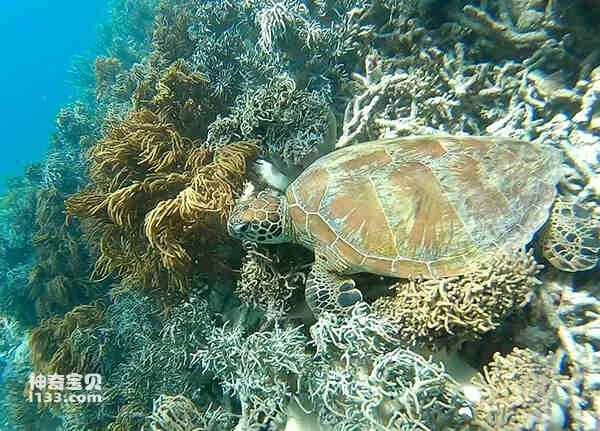
Sea turtles—Sea turtles first appeared during the Cretaceous period, about 100 million years ago, and have continued to exist to this day. However, no sea turtle fossils have been found in my country to date.
Tortoises, ancient inhabitants of Earth, have existed for over two billion years. Slow-moving yet highly adaptable, they are long-lived, symbolizing longevity. The Zhuangzi, in the "Autumn Floods" chapter, states, "I have heard of a divine tortoise in Chu, which has been dead for three thousand years." While exaggerated, this does align with the tortoise's status. Furthermore, the word "tortoise" (龟) is a homophone for "noble" (贵), making it a symbol of wealth and status. In ancient Shang Dynasty China, tortoise shells were used for divination, holding a sacred status. During the Zhou Dynasty, a special official position called "Turtle Man" was established, who was responsible for "managing six turtles, and offering turtles as sacrifices" (Zhou Li). In the Han Dynasty, the gold seals used by prime ministers, marquises, and generals all had turtle-shaped knobs; high-ranking officials with salaries of 2000 shi or more used silver seals with similar knobs. In terms of official attire, Tang Dynasty officials commonly wore fish-shaped pouches. After Empress Wu Zetian came to power, she changed them to turtle-shaped pouches, clearly demonstrating the empress's reverence for the divine turtle. In his later years, Lu You called himself "Turtle Hall" and wore a turtle shell hat to signify his nobility. However, extremes beget their opposites, and the turtle seems to have also fallen victim to this taboo. After the Yuan Dynasty, the turtle's reputation plummeted, becoming considered ugly and derogatory. Some referred to a husband whose wife was unfaithful as wearing a "green turban." Because the turtle's head is green, the term "turtle" came to mean someone wearing a "green turban." Thus, the insulting connotation became clear.